











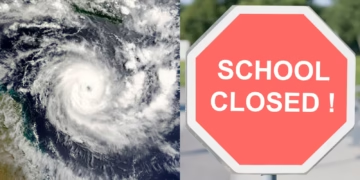




















Cyclone Akvan has weakened from a severe cyclonic storm into a cyclonic storm over the westcentral Bay of Bengal, but concerns remain along the Odisha and Andhra Pradesh coasts. The IMD has warned of strong winds, heavy rainfall and possible flooding, prompting district administrations to strengthen emergency preparations.
Cyclone Akvan Weather Update: Storm Moves Towards Odisha Coast
Cyclone Akvan developed over the Bay of Bengal and intensified into a cyclonic storm on November 16, 2026. It subsequently strengthened into a severe cyclonic storm before moving north-northwestwards towards the eastern coastline.
According to the India Meteorological Department’s bulletin issued on November 20, the system weakened into a cyclonic storm at around 2:30 am. At 5:30 am, it was located over the westcentral Bay of Bengal, approximately 110 kilometres south of Gopalpur in Odisha.
The weather system was moving north-northwestwards at around 23 kilometres per hour. The IMD forecast that it would cross the North Andhra Pradesh and South Odisha coasts close to Gopalpur during the forenoon of November 20.
The forecast wind speed during the crossing was 70 to 80 kilometres per hour, with gusts reaching 90 kilometres per hour. Although the storm had weakened, strong winds and heavy rainfall remained important concerns for coastal communities.
Odisha Cyclone Alert: Districts Facing Heavy Rainfall Risks
Several districts in Odisha were placed under different weather warning categories as Cyclone Akvan approached the coastline.
The IMD issued a Red Warning for six districts, including Kendrapara, Jagatsinghpur, Kandhamal, Gajapati, Ganjam and Puri. These areas were expected to experience heavy to very heavy rainfall, with extremely heavy rainfall possible at isolated locations.
An Orange Warning was issued for Balasore, Bhadrak, Jajpur, Cuttack, Mayurbhanj, Rayagada, Koraput, Malkangiri, Khordha and Nayagarh.
A Yellow Warning covered Angul, Dhenkanal, Keonjhar, Boudh, Kalahandi and Nabarangpur.
The warnings reflected the possibility of widespread rainfall and localised weather-related disruptions. Coastal districts were particularly vulnerable because of their exposure to strong winds, intense rainfall and possible flooding.
Residents in low-lying areas were advised to follow instructions issued by local administrations and avoid unnecessary travel during periods of severe weather.
Cyclone Akvan Impact: Flooding, Power Disruptions and Crop Concerns
Cyclones can affect communities even after their strongest winds begin to weaken. Heavy rainfall, waterlogging, damaged power infrastructure and disruptions to transportation can create challenges for residents.
In Odisha, the approaching storm raised concerns about standing crops, plantations, electricity lines and vulnerable buildings.
Agriculture is an important source of livelihood across several affected districts. Heavy rainfall and strong winds can damage paddy fields, horticultural crops and other agricultural produce, particularly when harvesting activities are underway.
Water accumulation in residential areas can also disrupt daily activities. Roads connecting villages and smaller towns may become difficult to use if drainage systems cannot handle excessive rainfall.
Power supply is another important concern. Falling trees, damaged electricity poles and broken overhead lines can interrupt electricity services. Authorities generally need to prioritise the safety of residents and ensure that damaged infrastructure is inspected before restoration work begins.
However, the possibility of damage should not be confused with confirmed losses. Actual assessments depend on conditions after the storm passes.
Odisha Government Strengthens Cyclone Preparedness
District administrations in Odisha stepped up preparations ahead of the cyclone to reduce risks to residents and public infrastructure.
The Malkangiri district administration announced the closure of schools, colleges and Anganwadi centres on November 19 and 20 as a precautionary measure.
The state government’s Works Department also directed field officials to remain on high alert. Personnel were instructed to stay at their respective headquarters throughout the cyclone period and until conditions returned to normal.
The focus of these preparations included protecting road infrastructure, monitoring vulnerable locations and responding to possible damage caused by strong winds and heavy rainfall.
Emergency preparedness is particularly important in coastal regions, where even a short period of intense rainfall can affect transportation, communication and access to essential services.
Local authorities also play an important role in communicating evacuation instructions, identifying vulnerable households and coordinating emergency assistance.
Cyclone Akvan and Andhra Pradesh: Coastal Areas Also on Alert
Although Odisha has been among the major areas of concern, Cyclone Akvan’s projected path also placed northern Andhra Pradesh under significant weather alerts.
The storm was expected to cross the coastline between North Andhra Pradesh and South Odisha, close to Gopalpur.
Districts along the northern Andhra Pradesh coastline faced the possibility of heavy rainfall and strong winds. Coastal communities were advised to remain cautious and follow official weather updates.
The cyclone’s movement also had implications for neighbouring regions because weather systems can bring rainfall and strong winds beyond their immediate landfall locations.
The IMD continued monitoring the system through satellite observations and Doppler weather radar facilities, including the radar at Gopalpur.
The situation demonstrated why cyclone preparedness requires coordination between neighbouring states, particularly when a weather system approaches a shared coastal region.
Cyclone Safety Measures: What Residents Should Do
During a cyclone warning, residents should prioritise personal safety rather than attempting to assess the storm’s strength themselves.
People living in coastal and low-lying areas should follow evacuation instructions issued by local authorities. Moving to designated shelters when instructed can reduce exposure to flooding and strong winds.
Residents should also take practical precautions at home.
Important documents, medicines, drinking water, essential food supplies and mobile phone chargers should be kept accessible. Mobile phones and power banks should be charged whenever electricity is available.
People should stay away from damaged electricity poles, fallen wires, flooded roads and unstable structures. Driving through waterlogged areas can be dangerous because the actual depth and condition of the road may not be visible.
Fishermen and people involved in coastal activities should strictly follow restrictions and warnings issued by the authorities. They should not venture into rough sea conditions during an active cyclone warning.
Residents should also avoid spreading unverified photographs, videos and messages about the storm. Official information from the IMD, Odisha government and district administrations should remain the primary source for weather and emergency updates.
Why Cyclone Preparedness Matters for Odisha’s Coastal Communities
Odisha has experienced several major cyclonic weather events over the years. Its coastline makes preparedness an important part of disaster management, particularly during the Bay of Bengal cyclone season.
Events such as the 1999 Odisha Super Cyclone and Cyclone Fani in 2019 demonstrated the importance of early warnings, evacuation planning and emergency response systems.
Cyclone preparedness involves more than moving people away from vulnerable locations. It also requires protecting infrastructure, maintaining communication networks, arranging emergency medical assistance and ensuring that essential supplies reach affected communities.
For people living in smaller coastal towns and villages, timely information can make a significant difference. Residents may depend on local roads, fishing activities and agricultural work, all of which can be affected by severe weather.
Cyclone Akvan once again highlighted the importance of coordination between weather agencies, state authorities and local communities.
As the storm moves across the coastal region and weakens further, attention will shift towards assessing rainfall-related disruptions, restoring essential services and supporting affected residents.
Key Takeaways
- Cyclone Akvan weakened from a severe cyclonic storm into a cyclonic storm over the westcentral Bay of Bengal on November 20, 2026.
- The IMD forecast a coastal crossing near Gopalpur, with sustained winds of 70 to 80 kmph and gusts reaching 90 kmph.
- Six Odisha districts received Red Warnings, while several other districts were placed under Orange and Yellow Warnings.
- Residents were advised to follow evacuation instructions, avoid flooded roads and stay updated through official weather advisories.
Frequently Asked Questions
1. What is Cyclone Akvan?
Cyclone Akvan is a cyclonic storm that developed over the Bay of Bengal in November 2026. It intensified into a severe cyclonic storm before weakening into a cyclonic storm on November 20.
2. When was Cyclone Akvan expected to cross the Odisha coast?
According to the IMD bulletin issued on November 20, the storm was expected to cross the North Andhra Pradesh and South Odisha coasts close to Gopalpur during the forenoon.
3. Which Odisha districts received Red Alerts for Cyclone Akvan?
The six districts identified under the Red Warning were Kendrapara, Jagatsinghpur, Kandhamal, Gajapati, Ganjam and Puri.
4. What precautions should residents take during Cyclone Akvan?
Residents should follow official weather advisories, move to designated shelters when instructed, keep essential supplies ready, avoid coastal activities and stay away from flooded roads and damaged electrical infrastructure.
(Internal SEO keywords: Cyclone Akvan latest news, Cyclone Akvan Odisha update, Odisha cyclone alert November 2026, Cyclone Akvan landfall, IMD cyclone warning, Odisha Red Alert districts, Cyclone Akvan impact, Odisha weather news, cyclone safety measures, Gopalpur cyclone update)