




























Bengaluru is facing a worsening water crisis as tanker prices rise sharply in outer areas, putting pressure on households and businesses. The situation highlights supply gaps, groundwater stress, and dependence on private water sources in rapidly expanding parts of the city.
Bengaluru Water Crisis Intensifies in Peripheral Areas
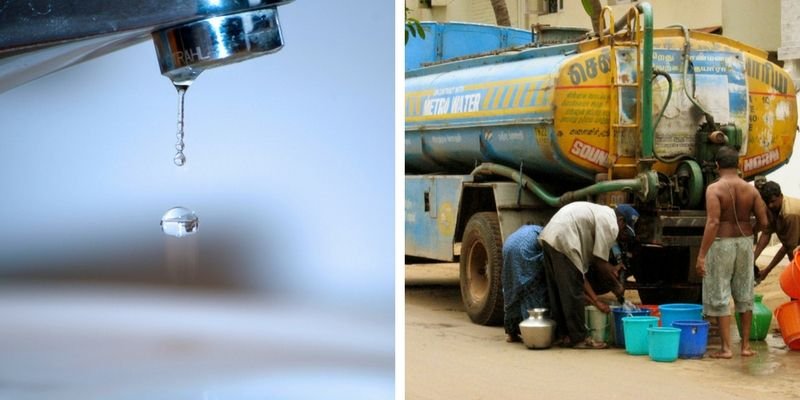
The Bengaluru water crisis has deepened in recent weeks, with residents in outer zones increasingly dependent on private tankers due to limited piped supply. Several localities on the outskirts of Bengaluru are reporting reduced groundwater levels and irregular municipal water availability.
As demand rises, tanker operators have increased prices, with costs varying based on distance, availability, and daily demand. In some areas, residents report paying significantly higher rates compared to previous months.
The issue is more pronounced in newly developed layouts where infrastructure has not kept pace with rapid urban expansion. These areas often lack reliable connections to the city’s main water supply network.
Why Tanker Prices Are Rising Rapidly
The surge in tanker prices is driven by a combination of supply constraints and increased demand. Groundwater levels in and around Bengaluru have dropped due to low rainfall in previous seasons and over extraction.
Private tanker operators rely on borewells located on the city’s outskirts. As water levels fall, extraction becomes more difficult and costly, which directly impacts pricing.
Fuel costs, transportation distance, and operational expenses also contribute to the final price paid by consumers. During peak summer months, demand typically spikes, further pushing up rates.
The lack of strict price regulation in the tanker market allows for fluctuations based on local conditions, making it difficult for residents to predict expenses.
Impact on Households and Daily Life
The rising cost of water is affecting household budgets, particularly in middle income and lower income areas. Families are forced to ration water usage, prioritizing essential needs such as drinking and cooking.
In apartment complexes, maintenance charges are increasing as societies pool funds to purchase tanker water. Smaller independent houses face greater challenges as they rely on individual arrangements.
Businesses such as restaurants, construction sites, and small industries are also impacted. Water intensive operations may face higher operating costs or temporary disruptions.
The crisis is also influencing lifestyle changes, with residents adopting water saving practices such as reduced washing frequency and reuse of grey water.
Role of Infrastructure and Urban Planning
The Bengaluru water crisis highlights gaps in urban planning and infrastructure development. Rapid population growth and expansion into peripheral areas have outpaced the extension of piped water networks.
The Bangalore Water Supply and Sewerage Board is responsible for supplying water to the city, primarily sourced from the Cauvery River. However, extending this supply to outer areas requires significant investment and time.
Many layouts depend heavily on groundwater, which is not a sustainable long term solution. Experts have repeatedly emphasized the need for rainwater harvesting, wastewater recycling, and better water management systems.
Without these measures, reliance on tanker water is likely to continue, especially during summer months.
Government Response and Possible Solutions
Authorities have acknowledged the situation and are exploring measures to stabilize supply. Efforts include monitoring groundwater usage, promoting rainwater harvesting, and expanding infrastructure projects.
The Bangalore Water Supply and Sewerage Board has also encouraged residents to adopt water conservation practices and ensure compliance with rainwater harvesting regulations, which are mandatory for certain property sizes.
Long term solutions involve diversifying water sources, improving storage capacity, and reducing leakage in distribution systems. Experts suggest that a combination of policy enforcement and community participation is essential.
Short term relief may come from temporary supply adjustments and stricter oversight of tanker pricing, although implementation remains a challenge.
What Residents Can Expect Going Forward
The situation is expected to remain challenging in the near term, especially until the monsoon season improves groundwater levels. Residents in Bengaluru may continue to face higher water costs and supply uncertainties.
Urban planners stress that sustainable water management must become a priority as the city grows. Without structural changes, similar crises are likely to recur.
For now, conservation, efficient usage, and community level solutions will play a key role in managing the impact of the ongoing water shortage.
Takeaways
- Bengaluru water crisis is worsening due to falling groundwater and limited supply
- Tanker prices are rising sharply in outer areas due to demand and cost factors
- Households and businesses are facing increased financial and operational pressure
- Long term solutions require infrastructure expansion and sustainable water management
FAQs
Q1. Why are tanker prices rising in Bengaluru?
Prices are increasing due to higher demand, falling groundwater levels, and rising operational costs for tanker operators.
Q2. Which areas are most affected by the water crisis?
Outer and newly developed areas with limited piped water supply are facing the most severe shortages.
Q3. What is BWSSB doing to address the issue?
BWSSB is promoting rainwater harvesting, monitoring usage, and working on infrastructure expansion projects.
Q4. Will the situation improve soon?
Improvement largely depends on the monsoon and long term infrastructure developments.