































Alternative protein startups in India are attracting fresh investor attention in 2026 as the country’s food-tech sector expands beyond traditional delivery and grocery platforms. Plant-based foods, precision fermentation, and sustainable protein solutions are emerging as major investment categories for venture capital firms and global food companies.
The growing funding momentum reflects changing consumer preferences, rising health awareness, climate concerns, and increasing demand for sustainable food options. Industry experts believe India’s alternative protein market could become one of Asia’s fastest-growing food-tech segments over the next decade.
Why Alternative Protein Is Becoming a Big Investment Trend
Alternative protein refers to food products designed to replace or reduce traditional animal-based protein sources such as meat, eggs, and dairy. These products are usually created using plant ingredients, microbial fermentation, or cultivated food technologies.
Indian investors are showing stronger interest in this sector because consumer eating habits are slowly evolving, especially among urban millennials and younger health-conscious buyers. Rising awareness about fitness, sustainability, and dietary diversity has created a new customer base for protein-focused food startups.
India’s large vegetarian population also gives the market a unique advantage compared to many Western countries. Unlike markets where alternative meat mainly targets meat reduction, Indian startups are building products around familiar local preferences such as plant-based dairy, protein snacks, millet-based nutrition products, and vegetarian protein substitutes.
This broader consumer appeal is encouraging both domestic and international investors to increase funding activity in the sector.
Food-Tech Investors Are Looking Beyond Delivery Apps
Over the past decade, Indian food-tech funding was largely dominated by food delivery companies and quick commerce platforms. However, investor priorities are now shifting toward deeper food innovation and sustainable nutrition businesses.
Several venture capital firms have recently increased investments in startups working on alternative protein research, food science, and scalable manufacturing technologies. Investors believe the sector has long-term growth potential because of increasing pressure on global food systems and rising demand for environmentally sustainable food production.
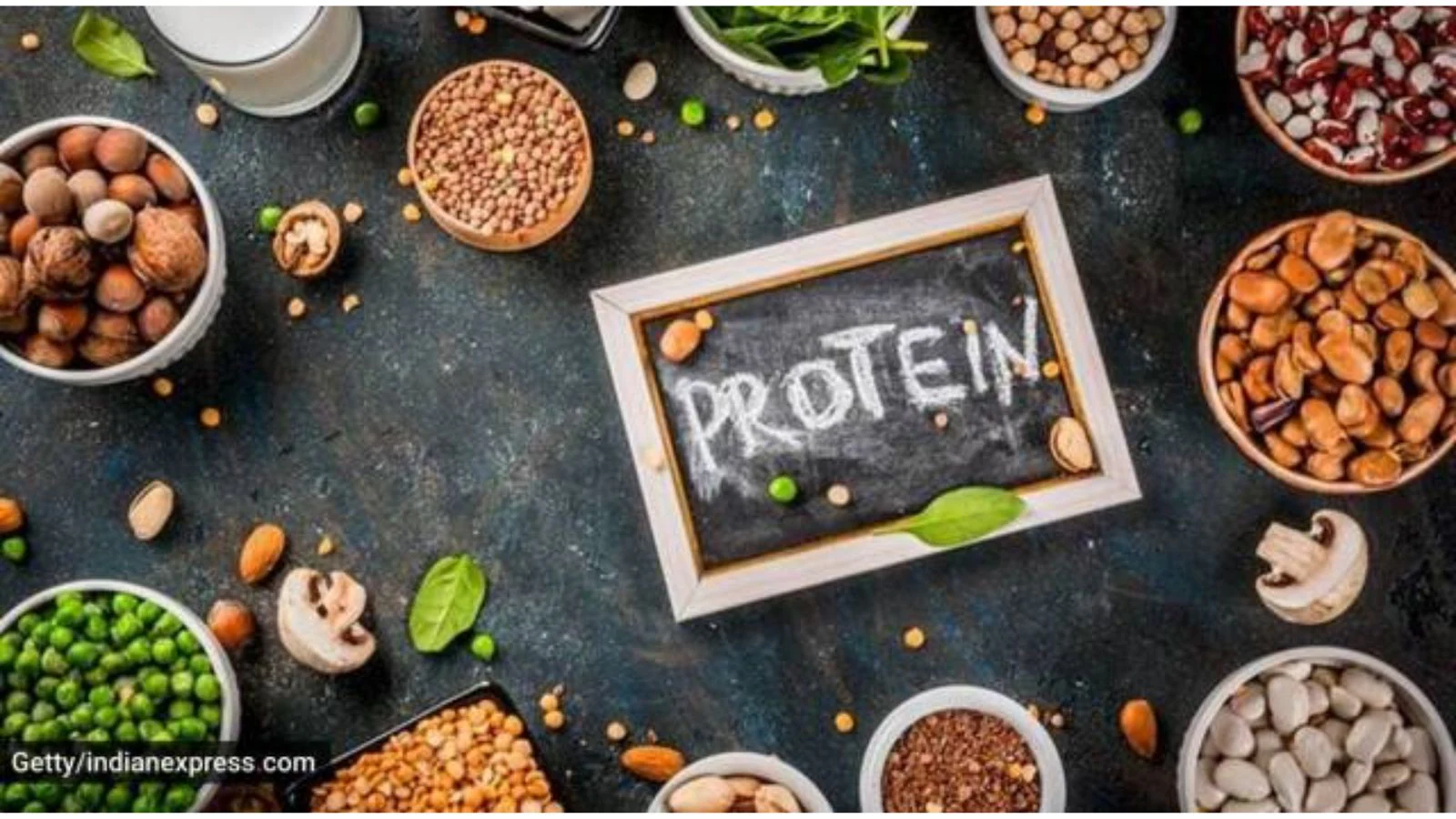
Global food companies are also entering partnerships with Indian startups to develop local alternatives suited for Indian taste preferences. This includes products based on soy, peas, lentils, chickpeas, oats, and millet ingredients.
Experts say India’s food-tech ecosystem is becoming more mature, allowing startups to focus on product innovation instead of only delivery logistics and discount-based customer acquisition.
As a result, funding discussions are increasingly centered around scalability, nutritional value, and manufacturing efficiency.
Plant-Based Foods Are Leading the Growth Phase
Plant-based foods currently dominate India’s alternative protein market because they are easier to scale commercially compared to cultivated meat technologies.
Many startups are launching plant-based milk, vegan snacks, dairy alternatives, high-protein breakfast products, and meat substitute foods targeted at younger consumers. Products such as oat milk, almond milk, vegan paneer, and soy-based protein foods are gaining visibility in supermarkets and online marketplaces.
Fitness-focused consumers are also driving growth in protein-rich packaged foods. The rising popularity of gym culture and active lifestyle trends has increased demand for affordable protein options among younger Indians.
Restaurants and cafes in major cities have started adding plant-based menu items as consumer curiosity grows. At the same time, online grocery platforms are helping smaller brands reach customers across Tier-2 cities.
Industry reports suggest plant-based food sales in India are still at an early stage compared to Western markets, but growth rates remain strong due to rising experimentation among consumers.
Tier-2 Cities Are Becoming Important Consumer Markets
One major shift in 2026 is the expansion of alternative protein products beyond metro cities. Food-tech startups are increasingly targeting Tier-2 and Tier-3 markets where awareness about health and nutrition is growing rapidly.
Affordable internet access and social media influence are helping consumers discover new food categories faster. Fitness creators, nutrition influencers, and wellness-focused content have contributed to growing curiosity around protein consumption and plant-based eating.
Smaller cities are also witnessing increased demand for packaged healthy foods because of changing work lifestyles and rising disposable income.
Startups are responding by launching affordable product sizes and localized flavors designed for Indian households. Instead of focusing only on premium urban consumers, many brands are now building mass-market positioning strategies.
This approach is attracting investors because scalable consumer demand beyond metros can significantly expand revenue opportunities.
Challenges Still Exist for Indian Alternative Protein Brands
Despite rising funding activity, the alternative protein sector still faces several challenges in India. One major issue is pricing.
Many plant-based products remain more expensive than traditional food options, making mass adoption difficult. Consumer education is another challenge because a large section of the market is still unfamiliar with alternative protein concepts.
Taste and texture also remain critical factors. Indian consumers are highly selective about flavor preferences, and startups must balance nutrition with familiar culinary experiences.
Supply chain development is another area requiring investment. Startups need reliable ingredient sourcing, cold storage infrastructure, and large-scale manufacturing capabilities to compete effectively.
Regulatory clarity around labeling and food standards may also become more important as the sector expands further.
Even with these challenges, investors appear optimistic because India’s long-term food demand and nutrition market continue growing steadily.
What the Future Looks Like for India’s Food-Tech Industry
Analysts believe alternative protein could become one of the most important segments within India’s broader food-tech ecosystem over the next few years.
As climate concerns increase globally, governments and investors are paying closer attention to sustainable agriculture and future food technologies. Indian startups are expected to benefit from this shift because the country already has strong agricultural resources and a large domestic consumer market.
Experts also predict that partnerships between food-tech startups, research institutions, and established FMCG companies will increase significantly.
If pricing improves and consumer awareness continues growing, alternative protein products may gradually become mainstream across urban and semi-urban India.
The sector is still evolving, but current funding momentum suggests investors see long-term commercial potential in sustainable food innovation.
Key Takeaways
- Alternative protein startups are gaining stronger investor attention in India during 2026
- Plant-based foods currently dominate the country’s food-tech innovation market
- Tier-2 and Tier-3 cities are becoming important growth markets for healthy food products
- Pricing, consumer awareness, and supply chain development remain major industry challenges
FAQ
What are alternative protein products?
Alternative protein products are food items designed to replace or reduce traditional animal-based proteins using plant ingredients or food technology innovations.
Why are investors funding alternative protein startups in India?
Investors see long-term potential due to growing health awareness, sustainability concerns, and increasing demand for protein-rich food options.
Which products are popular in India’s plant-based food market?
Plant-based milk, vegan snacks, protein-rich packaged foods, soy-based products, and dairy alternatives are among the fastest-growing categories.
Are alternative protein products becoming popular outside metro cities?
Yes. Tier-2 and Tier-3 cities are showing increasing interest because of rising health awareness and social media influence.