


























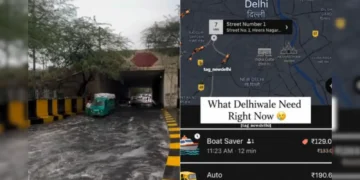





AI is transforming logistics and delivery in India, with startups leveraging machine learning, predictive analytics, and route optimisation to improve efficiency. This trend is reshaping urban mobility, reducing costs, and enhancing customer experiences across Tier-1 and Tier-2 cities.
How Indian Startups Are Integrating AI in Logistics
Indian startups are increasingly using AI to optimise logistics and delivery, making this a time sensitive trend as e commerce and supply chain demands grow. Companies deploy machine learning algorithms to predict demand patterns, streamline inventory management, and identify efficient delivery routes.
Startups such as Shadowfax, Dunzo, and BlackBuck are integrating AI to handle last-mile deliveries, adjusting routes in real time based on traffic, weather, and order urgency. These solutions reduce delays, lower fuel costs, and enhance operational efficiency. AI also helps in load planning, ensuring optimal use of vehicles and resources.
The ability to process large datasets quickly enables startups to make smarter decisions, offering competitive advantages over traditional logistics models.
Predictive Analytics and Demand Forecasting
AI-powered predictive analytics is helping startups forecast demand more accurately. By analysing historical data, seasonal trends, and consumer behaviour, startups can optimise inventory and reduce overstock or shortages.
In the grocery and e commerce sector, predictive analytics ensures that products reach the right locations at the right time. For example, AI systems can forecast high-demand areas for same-day delivery services, allowing companies to preposition inventory strategically.
This not only improves delivery speed but also reduces operational costs, a key factor for startups operating in price-sensitive markets. Accurate forecasting enhances customer satisfaction by reducing stockouts and delivery delays.
Real-Time Route Optimisation and Efficiency
One of the most impactful applications of AI in logistics is real-time route optimisation. Startups use AI to evaluate traffic conditions, weather updates, and delivery priorities to determine the fastest and most fuel-efficient routes.
Companies like Dunzo and Shadowfax use AI algorithms to dynamically reroute vehicles during peak traffic hours or unexpected disruptions. This reduces transit times, increases the number of daily deliveries, and lowers carbon emissions.
The efficiency gained through AI enables smaller fleets to handle larger volumes, supporting scalability for startups with limited resources. It also enhances reliability, which is crucial for maintaining customer trust in urban and semi-urban markets.
Warehouse Automation and Robotics
AI integration is extending beyond delivery routes into warehouse management. Startups are using AI-driven robotics for sorting, picking, and packing items. Automated systems increase speed, reduce human error, and improve storage efficiency.
Companies like Delhivery and Rivigo have invested in smart warehouses where AI manages inventory flow, optimises space, and predicts restocking needs. This approach ensures faster turnaround and better utilisation of human resources.
By combining warehouse automation with AI logistics software, startups can manage end-to-end operations more efficiently, providing a seamless supply chain experience for consumers.
Impact on Tier-2 and Tier-3 Cities
AI-driven logistics is not limited to metro cities. Tier-2 and Tier-3 cities are increasingly being served efficiently through predictive delivery networks and optimised route planning.
These solutions address unique challenges in smaller cities, such as inconsistent infrastructure, dispersed customer locations, and limited workforce availability. AI enables startups to overcome these obstacles, delivering services comparable to metro markets.
As a result, customers in smaller cities can expect timely deliveries and improved service reliability, expanding market reach for e commerce and logistics startups.
Challenges in Implementing AI for Logistics
Despite the benefits, AI integration faces challenges. High initial investment, data quality issues, and technological expertise shortages can hinder adoption. Startups must continuously train algorithms to adapt to changing conditions and regional nuances.
Regulatory compliance and data privacy concerns also need careful management, especially when using consumer and location data. Startups must balance innovation with ethical use of AI to maintain trust and comply with legal frameworks.
Additionally, infrastructure limitations in certain regions can affect the performance of AI systems, requiring hybrid approaches that combine technology with human oversight.
The Future of AI in India’s Logistics Sector
The adoption of AI in logistics signals a transformation of India’s delivery ecosystem. Startups that successfully implement predictive analytics, route optimisation, and warehouse automation are likely to dominate the market.
AI can reduce costs, improve efficiency, and enhance customer experiences across urban and semi-urban regions. As technology becomes more accessible and infrastructure improves, smaller startups are likely to compete alongside established players.
This trend represents a strategic shift toward data-driven operations, positioning India as a hub for innovative logistics solutions. The continued focus on AI integration will define the next generation of supply chain efficiency in the country.
Key Takeaways
- AI enables predictive analytics for demand forecasting and inventory management
- Real-time route optimisation improves delivery efficiency and reduces costs
- Warehouse automation increases speed and reduces human error
- Tier-2 and Tier-3 cities benefit from AI-enabled logistics solutions
Frequently Asked Questions
How is AI used in logistics and delivery?
It optimises routes, forecasts demand, manages inventory, and automates warehouse operations.
Which Indian startups are leading in AI logistics?
Shadowfax, Dunzo, BlackBuck, Delhivery, and Rivigo are notable players.
Can AI improve delivery services in smaller cities?
Yes, predictive routing and data analytics help overcome regional infrastructure challenges.
What challenges do AI logistics startups face?
High costs, data quality issues, talent shortages, and regulatory compliance are key challenges.