





















A Bengaluru woman’s complaint about being charged ₹1200 for an auto-rickshaw ride during heavy rainfall has gone viral on social media, reigniting discussions around surge pricing, public transport challenges and commuter frustration in India’s tech capital.
The Bengaluru auto fare viral incident became one of the city’s most discussed online topics after a woman shared her experience of allegedly being quoted ₹1200 for a short auto-rickshaw ride during heavy rain. The post quickly gained traction across X, Reddit and Instagram, with thousands of users sharing similar experiences from across Bengaluru.
The complaint once again brought attention to the city’s long-standing transportation concerns, especially during peak traffic hours and sudden weather disruptions. Many residents said the incident reflected a larger problem involving ride availability, surge pricing and limited last-mile connectivity during emergencies.
As the post spread online, public reactions ranged from outrage and humor to broader criticism of Bengaluru’s urban mobility system.
What Happened in the Viral Bengaluru Auto Fare Incident
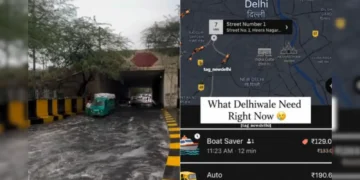
According to viral social media posts, the woman was trying to book an auto-rickshaw during heavy rain when she reportedly received fare quotes reaching ₹1200 for a relatively short journey. Screenshots and user reactions quickly circulated online, leading to widespread discussion about transportation costs in Bengaluru.
Several users commented that fare spikes during rain are common in the city, especially when demand rises sharply and ride availability drops. Others claimed they had faced similar situations involving autos and app-based taxi services during peak office hours, weekends and weather-related traffic congestion.
Although exact ride distance details varied across reposts and discussions, the core issue resonated with Bengaluru commuters who regularly experience high transport costs during rush periods.
The viral post also triggered meme content, with users joking that booking an auto during Bengaluru rain now “requires financial planning.” However, behind the humor was growing frustration around affordability and daily commuting challenges.
Why Bengaluru Faces Frequent Auto Fare Complaints
Bengaluru’s transportation ecosystem has struggled for years with rapid urban growth, increasing vehicle density and infrastructure pressure. Heavy rainfall often worsens traffic congestion, leading to longer travel times and reduced ride availability across key city areas.
Auto-rickshaw fares become especially controversial during rain because many commuters rely on autos for short-distance connectivity between metro stations, offices and residential neighborhoods.
App-based ride aggregators use dynamic pricing systems that increase fares during periods of high demand. While the technology is intended to balance supply and demand, commuters frequently complain that prices become excessively high during emergencies or bad weather.
In addition, many users report that offline fare negotiations with auto drivers can also become difficult during peak demand periods. The combination of traffic congestion, limited vehicle availability and weather disruptions often creates conditions for sudden fare spikes.
Social Media Users Share Similar Bengaluru Travel Experiences
After the viral complaint gained attention, thousands of Bengaluru residents joined the online conversation with their own commuting stories. Some users posted screenshots of expensive cab rides, while others described being unable to find transportation during rain.
Reddit threads discussing Bengaluru’s transportation problems gained significant engagement, with users debating whether the issue stemmed from infrastructure limitations, weak regulation or overwhelming urban population growth.
The conversation expanded beyond auto fares and touched on larger concerns involving public transport accessibility, road conditions and city planning. Many users argued that Bengaluru’s expanding workforce and startup ecosystem have increased pressure on transportation systems faster than infrastructure development.
Social media also amplified the emotional side of the issue. Daily commuters described stress, uncertainty and exhaustion linked to long travel hours and unreliable transport during bad weather.
Rainfall and Traffic Continue Affecting Bengaluru Mobility
Heavy rainfall frequently disrupts Bengaluru’s already congested road network. Waterlogging, slow-moving traffic and diversions often create delays across business hubs including Whitefield, Electronic City and Outer Ring Road.
For office workers and students, sudden weather changes can significantly impact commute timing and transport costs. During intense rain, ride demand surges almost instantly as people avoid walking or public buses.
Transportation experts say Bengaluru’s dependency on private vehicles and app-based mobility has increased vulnerability during weather disruptions. Although metro expansion projects continue progressing, last-mile connectivity remains a major challenge for many neighborhoods.
Urban planners have repeatedly stressed the importance of improving integrated public transport systems to reduce dependency on expensive emergency ride bookings.
Viral Incident Reflects Broader Urban Commuter Frustration
The ₹1200 auto fare complaint became viral not only because of the amount involved, but because it reflected a larger shared frustration among urban commuters.
In many Indian metro cities, transportation costs during emergencies or weather disruptions have become a recurring public concern. Bengaluru, due to its traffic conditions and fast-growing population, often becomes the center of these discussions.
Experts believe viral commuter complaints increasingly shape public conversations around city governance and infrastructure accountability. Social media platforms now function as real-time public feedback spaces where everyday travel experiences quickly become large-scale civic debates.
The incident also demonstrates how localized commuter problems can gain national attention when they resonate with broader urban realities faced by working professionals and students.
Key Takeaways
- A Bengaluru woman’s ₹1200 auto fare complaint went viral during heavy rain
- Social media users shared similar experiences involving surge pricing and ride shortages
- Rainfall and traffic congestion continue affecting Bengaluru’s transport system
- The incident reignited debate around urban mobility and commuter affordability
FAQ
Why did the Bengaluru auto fare complaint go viral?
The complaint gained attention because many commuters related to sudden fare increases during rain and traffic congestion in Bengaluru.
Are high auto fares common during rain in Bengaluru?
Yes. Demand for autos and cabs often rises sharply during heavy rainfall, leading to higher prices and reduced ride availability.
What causes surge pricing in ride services?
Ride platforms use dynamic pricing systems that increase fares when demand exceeds available drivers or vehicles.
Has Bengaluru faced transport criticism before?
Yes. The city regularly faces public discussions around traffic congestion, infrastructure pressure and commuting challenges.