




























Maharashtra’s metro expansion plans are gaining pace across key cities, aiming to improve urban mobility and reduce congestion. The ongoing developments are expected to significantly impact daily commuters by offering faster, more reliable, and interconnected public transport options.
Maharashtra metro expansion plans have become a major focus in urban infrastructure, especially in cities like Mumbai, Pune, and Nagpur. These projects are part of a broader effort to address rising traffic congestion and improve public transport efficiency in rapidly growing urban areas.
Metro Expansion Across Major Cities in Maharashtra
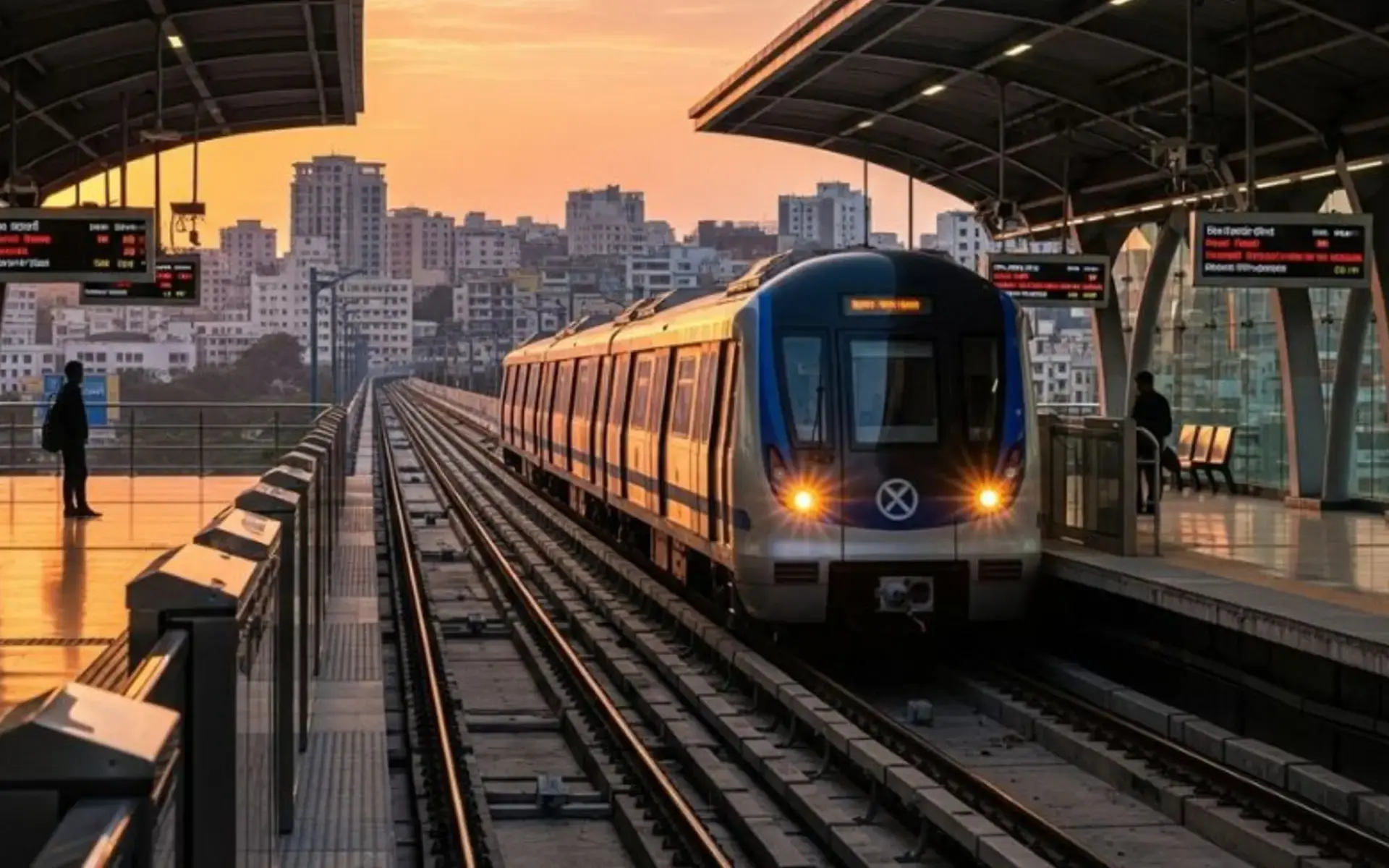
Metro expansion in Maharashtra is being implemented through multiple projects across different cities. Mumbai continues to lead with several metro lines under construction and partial operations already in place. These include both underground and elevated corridors designed to connect key business districts, residential zones, and transport hubs.
Pune is also witnessing steady progress, with metro corridors linking high-density areas and reducing dependence on road-based transport. The city’s metro system is expected to ease daily travel for office-goers and students, especially during peak hours.
Nagpur, one of the first Tier-2 cities in India to operationalize a metro network, has already demonstrated how such systems can improve urban mobility. The ongoing expansion and optimization of routes aim to increase ridership and accessibility.
How Metro Projects Aim to Reduce Traffic Congestion
One of the primary goals of Maharashtra metro expansion plans is to reduce traffic congestion in urban centers. Cities like Mumbai and Pune face severe road traffic challenges due to high vehicle density and limited road space.
Metro systems provide a high-capacity alternative that can move large numbers of passengers efficiently. By offering predictable travel times and avoiding road traffic, metros encourage commuters to shift from private vehicles to public transport.
Integration with other modes of transport, such as buses and local trains, is also a key focus. Seamless connectivity allows commuters to complete their journeys with fewer delays and transfers, making metro travel more practical for everyday use.
Commuter Impact and Changing Travel Patterns
The impact of metro expansion on commuters in Maharashtra is already visible in cities where services are operational. Travel time reductions are among the most noticeable benefits, particularly for routes that previously required long hours in traffic.
Commuters are also experiencing improved comfort and reliability. Air-conditioned coaches, fixed schedules, and reduced crowding compared to road transport contribute to a better travel experience.
In Tier-2 cities like Nagpur, the metro has introduced a new standard of public transport. While initial ridership faced challenges due to last-mile connectivity issues, ongoing improvements are gradually addressing these concerns.
As metro networks expand, more commuters are expected to adopt this mode of transport, leading to a gradual shift in travel behavior.
Economic and Environmental Benefits of Metro Expansion
Beyond commuter convenience, Maharashtra metro expansion plans have broader economic and environmental implications. Efficient public transport systems can boost productivity by reducing travel time and improving access to employment hubs.
Metro systems also contribute to lower carbon emissions by reducing the number of private vehicles on the road. This is particularly important in cities struggling with air pollution and environmental sustainability.
Infrastructure development associated with metro projects can also drive real estate growth along transit corridors. Areas near metro stations often see increased demand due to improved connectivity.
However, the benefits depend on effective implementation, including affordability, accessibility, and integration with existing transport networks.
Challenges in Implementation and Future Outlook
Despite the progress, metro expansion in Maharashtra faces several challenges. Land acquisition, project delays, and cost overruns are common issues in large infrastructure projects.
Ensuring last-mile connectivity remains a critical factor for success. Without convenient access to metro stations, commuters may continue to rely on other modes of transport.
Fare pricing is another consideration. Authorities need to balance affordability for passengers with the financial sustainability of metro operations.
Looking ahead, continued investment and policy support will be essential to maximize the impact of metro systems. As projects are completed and networks become more interconnected, the long-term benefits for commuters and cities are expected to grow.
Takeaways
• Maharashtra metro expansion is progressing across Mumbai, Pune, and Nagpur
• Metro systems aim to reduce traffic congestion and improve travel efficiency
• Commuters benefit from shorter travel times and better comfort
• Challenges include last-mile connectivity, project delays, and cost management
FAQs
Which cities in Maharashtra have metro projects
Mumbai, Pune, and Nagpur are the primary cities with ongoing or operational metro systems.
How does metro expansion benefit commuters
It reduces travel time, offers reliable schedules, and provides a more comfortable travel experience compared to road transport.
What challenges do metro projects face
Common challenges include land acquisition, project delays, and ensuring last-mile connectivity.
Will metro expansion reduce traffic congestion
Yes, increased use of metro systems can reduce the number of private vehicles on the road, easing congestion.