





















Smart mobility in India is increasingly linked to the development of “green routes,” designed to reduce pollution and optimise traffic flow. These initiatives combine electric vehicles, sustainable infrastructure, and data-driven traffic management to improve air quality and commuter experiences.
Understanding Green Routes in Indian Cities
Green routes are a central element of India’s smart mobility strategy, making this topic time sensitive as multiple cities are piloting these projects. Essentially, green routes prioritise low-emission vehicles, electric public transport, and eco-friendly road design to minimise environmental impact.
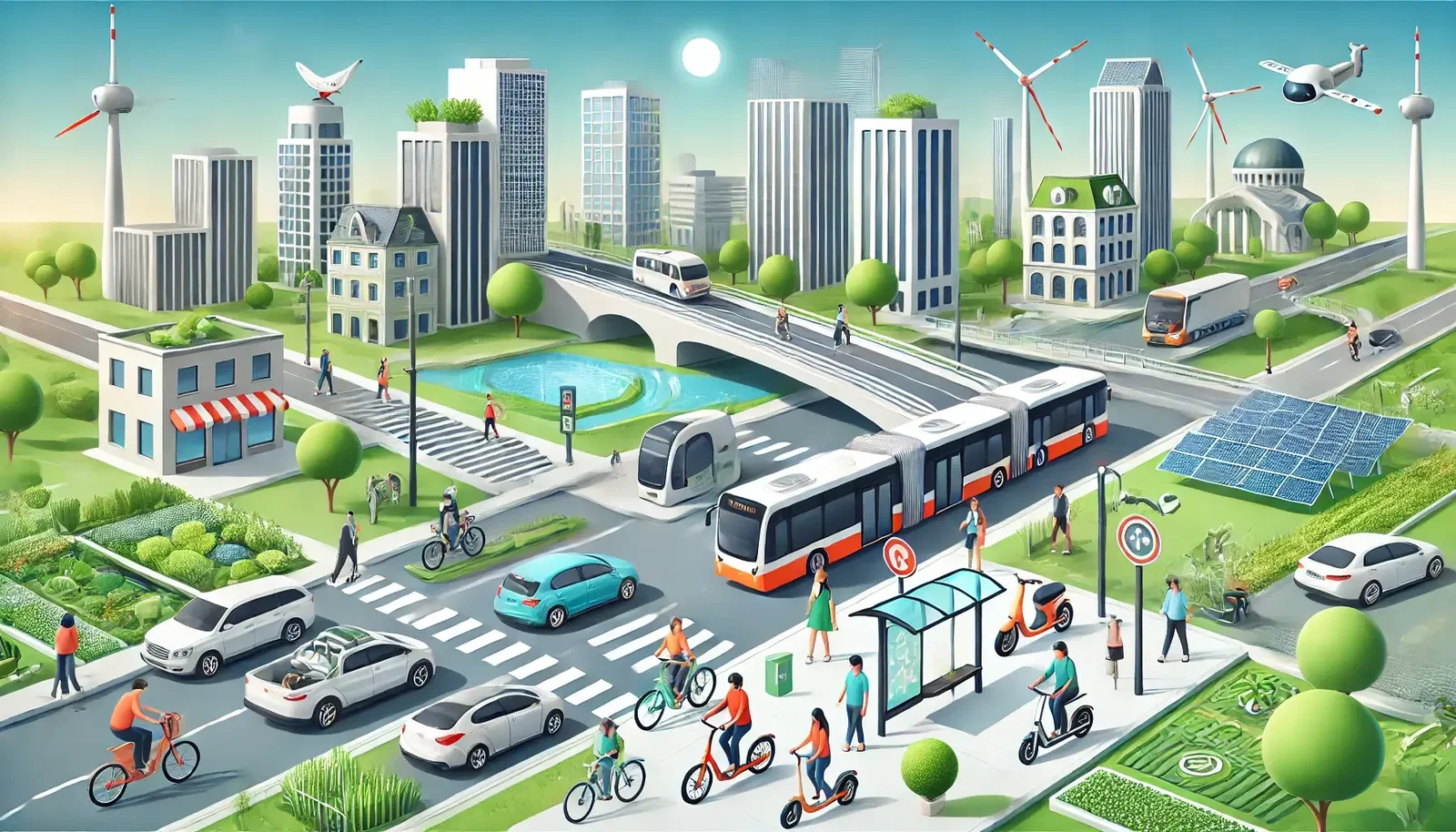
Cities like Bengaluru, Pune, and Ahmedabad have started mapping traffic corridors where EVs, bicycles, and public transport have priority, while private high-emission vehicles face restricted access. This approach aims to cut particulate pollution, lower noise, and enhance commuter efficiency.
Urban planners also integrate greenery, air quality sensors, and pedestrian zones along these routes, creating a more holistic “green mobility” ecosystem.
Benefits for Commuters and Urban Residents
For citizens, green routes offer tangible benefits. Reduced vehicle emissions improve air quality, which can lower respiratory and cardiovascular risks. Shorter commute times are achieved through intelligent traffic management and preferential lane access for electric buses and fleet vehicles.
Public transport and shared mobility services become more reliable, encouraging users to switch from personal vehicles. This shift further reduces congestion and emissions. Additionally, urban green routes often include bicycle lanes and pedestrian-friendly sidewalks, promoting healthier lifestyle choices.
The cumulative effect is improved urban livability, particularly in congested Tier-1 and Tier-2 cities where traffic pollution is a chronic concern.
Role of Technology in Green Route Implementation
AI, IoT, and big data analytics play a pivotal role in operationalising green routes. Traffic signals, vehicle monitoring systems, and real-time route optimisation tools ensure that EVs and low-emission vehicles move efficiently.
Data from air quality sensors helps city authorities identify high-pollution zones, informing decisions about which corridors to prioritise. Mobile applications provide commuters with information about low-emission routes, available EV charging stations, and public transport options.
This technological backbone makes green routes more than just preferential lanes—it transforms them into an integrated, responsive urban mobility network.
Challenges in Scaling Green Routes Nationwide
Despite progress, scaling green routes faces challenges. Infrastructure development is capital intensive, requiring dedicated lanes, EV charging stations, and smart traffic management systems.
Coordination across municipal bodies, transport authorities, and private fleet operators is critical to ensure seamless operations. Public awareness is another hurdle; citizens need incentives and guidance to switch from private vehicles to cleaner alternatives.
Additionally, uniform adoption across Tier-2 and Tier-3 cities is difficult due to uneven urban planning, financial constraints, and existing traffic congestion patterns. Without careful planning, green routes may benefit only small segments of the population.
Impact on Policy and Urban Planning
Green routes are influencing policy decisions in Indian cities. Municipal authorities are increasingly mandating EV integration in public transport and incentivising companies that adopt sustainable fleet practices.
Urban planning now incorporates environmental assessments, prioritising low-emission corridors in new developments. Policies also encourage private sector participation, including ride-sharing and delivery services, to align operations with green route objectives.
These steps aim to create a sustainable urban mobility ecosystem where citizens, businesses, and governments share responsibility for cleaner cities.
Future Outlook for Citizens
As green route networks expand, citizens can expect cleaner air, reduced noise pollution, and more reliable public transport. Real-time commuter information and smart routing apps will further enhance daily mobility.
The adoption of EVs, bicycles, and shared transport solutions along green routes will gradually reduce dependence on fossil-fuel vehicles. Over time, this can transform urban living conditions, making cities healthier, more efficient, and environmentally sustainable.
Scaling the model effectively will require continued investment in technology, infrastructure, and citizen engagement. Successful implementation could serve as a blueprint for sustainable mobility across India.
Key Takeaways
- Green routes prioritise low-emission transport to improve air quality
- Citizens benefit from reduced commute times, better public transport, and healthier urban environments
- Technology such as AI and IoT is essential for efficient operation
- Scaling requires infrastructure investment, coordination, and public awareness
Frequently Asked Questions
What are green routes in India?
They are traffic corridors designed to prioritise EVs, low-emission vehicles, and sustainable mobility options.
Which cities are implementing green routes?
Bengaluru, Pune, Ahmedabad, and other Tier-1 and Tier-2 cities are piloting green routes.
How do green routes benefit citizens?
They reduce air pollution, improve commute efficiency, and promote safer, healthier transport options.
What challenges exist in implementing green routes?
High costs, infrastructure development, coordination among authorities, and public awareness are key challenges.