































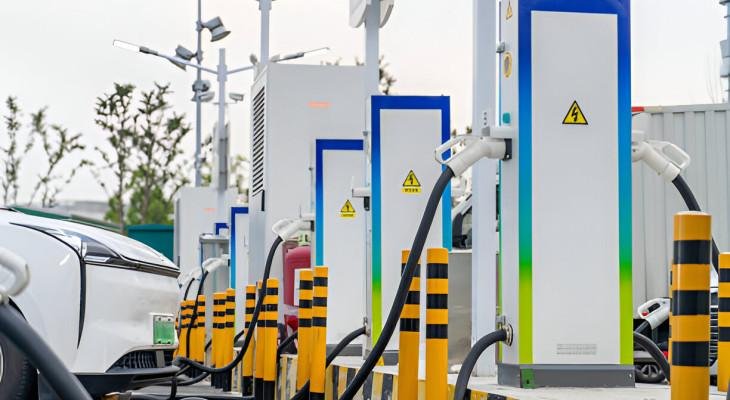
India’s EV ecosystem push is intensifying, but charging infrastructure remains the real game changer. Expanding networks of public and private charging points will determine adoption rates, influence consumer confidence, and drive growth across Tier-1 and Tier-2 cities.
EV Adoption Dependent on Accessible Charging Networks
India’s EV ecosystem push is closely linked to charging infrastructure development, making this a time sensitive issue as new policies and projects roll out. While electric vehicle sales are increasing, range anxiety remains a significant barrier for consumers. Without reliable access to charging points, adoption in urban and semi-urban areas could stall.
Government and private players are prioritising fast charging stations along highways and in city centres. Tier-1 cities like Bengaluru and Delhi are witnessing pilot projects, while Tier-2 hubs are being included to ensure broader coverage. Effective deployment of these networks directly impacts consumer trust and uptake of EVs.
Public vs Private Investment in Charging Stations
Investment in EV charging is a mix of public funding and private capital. Initiatives like the FAME India Scheme incentivise both manufacturers and station operators, while companies such as Tata Power, BPCL, and ABB are rolling out commercial networks.
Private investment is often faster and more flexible, enabling quicker deployment in strategic locations. Public sector involvement ensures coverage in less commercially viable areas. Together, these efforts aim to create a connected charging ecosystem that reduces gaps in accessibility and encourages widespread adoption.
Role of Tier-2 Cities in Infrastructure Expansion
Tier-2 and Tier-3 cities are emerging as critical nodes for EV adoption. Smaller cities often lack robust public transport, making personal mobility solutions attractive. Expanding charging infrastructure in these locations addresses both commuter needs and local air quality concerns.
Cities like Nagpur and Coimbatore are being targeted for pilot charging projects, which provide early insights into usage patterns and operational challenges. Data collected here will inform national strategy, ensuring that expansion plans meet real-world demand.
Technological Innovations in Charging Infrastructure
Charging technology itself is evolving, with fast chargers, battery swap stations, and smart grid integration becoming increasingly important. Fast charging reduces downtime for commuters, while battery swapping can accelerate fleet adoption for delivery and logistics operators.
Integration with renewable energy sources, such as solar powered charging points, is gaining traction to reduce operational costs and emissions. These technological improvements are critical in making EVs practical for everyday use, especially for urban residents who depend on short-distance travel.
Impact on Consumer Confidence and EV Market Growth
Reliable charging infrastructure boosts consumer confidence, which is essential for accelerating EV sales. When potential buyers know that they can recharge conveniently and quickly, hesitation diminishes.
This has a direct impact on market growth. Automotive companies are more likely to invest in EV production if they anticipate a supportive infrastructure. Additionally, fleets, ride-sharing operators, and delivery companies are more likely to transition to electric vehicles when they can plan routes based on accessible charging networks.
Challenges in Scaling Charging Infrastructure
Despite progress, challenges remain. High installation costs, grid capacity issues, and land acquisition hurdles can slow deployment. Standardisation of charging technology and payment systems is also needed to avoid fragmentation.
Ensuring consistent maintenance, operational reliability, and public awareness of station locations is critical. Without addressing these challenges, even the best planned infrastructure may fail to encourage adoption. Coordination between central and state agencies, private players, and local authorities is vital for success.
Long-Term Implications for India’s EV Ecosystem
Charging infrastructure is central to India’s EV ecosystem push. Successful deployment not only enables higher adoption but also strengthens ancillary markets such as battery manufacturing, software services, and energy management solutions.
Over time, a reliable network will reduce urban pollution, improve air quality, and support India’s climate commitments. It can also encourage innovation in vehicle design and smart mobility services. The effectiveness of these investments will ultimately determine how quickly India transitions to electric mobility on a large scale.
Key Takeaways
- Charging infrastructure is critical for EV adoption and consumer confidence
- Tier-2 cities are becoming key focus areas for network expansion
- Technological innovations like fast charging and battery swapping are game changers
- Coordinated public and private investment is necessary for ecosystem growth
Frequently Asked Questions
Why is charging infrastructure essential for EV adoption?
Reliable charging reduces range anxiety and makes EVs practical for daily use.
Which cities are prioritised for EV charging expansion?
Both Tier-1 and Tier-2 cities, including Bengaluru, Delhi, Nagpur, and Coimbatore, are targeted.
How do fast charging and battery swapping help?
They reduce downtime, enabling fleet operations and daily commuting without delays.
What challenges remain for scaling infrastructure?
High costs, grid capacity, maintenance, and standardisation of technology and payment systems.