



























D2C brands from Tier-3 cities are emerging as a strong growth story in 2026, driven by digital access, niche products, and cost efficiency. These businesses are expanding beyond local markets, quietly building scalable models that attract both consumers and investors.
Why D2C Brands from Tier-3 Cities Are Growing Fast
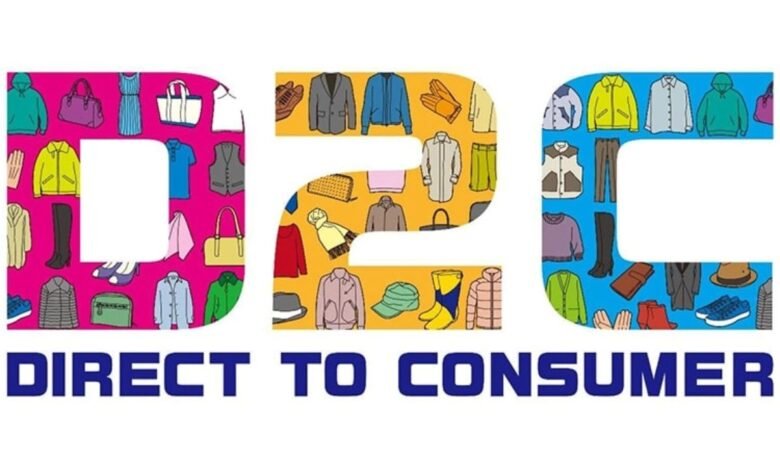
D2C brands from Tier-3 cities represent an ongoing but time relevant trend in India’s startup ecosystem. Direct-to-consumer models allow businesses to sell products online without relying heavily on traditional retail networks.
Smaller cities offer a cost advantage in manufacturing, labour, and operations. This allows founders to build sustainable businesses with lower initial investment. As internet penetration improves, these brands can reach customers across India without needing a metro presence.
Platforms like Shopify and marketplaces such as Amazon have made it easier for small brands to launch and scale.
The result is a growing number of businesses that start locally but quickly expand to national markets, often focusing on niche categories.
Digital Infrastructure and Internet Penetration Driving Growth
The rise of affordable smartphones and low cost data has transformed how businesses operate in Tier-3 cities. Internet access is no longer a barrier, enabling entrepreneurs to build and manage online brands from smaller locations.
Social media platforms play a key role in customer acquisition. Channels like Instagram allow brands to showcase products, engage with customers, and build communities.
Digital payments and logistics networks have also improved significantly. Faster delivery and reliable payment systems make it possible for Tier-3 brands to compete with metro based companies.
This infrastructure has reduced the gap between large and small cities, creating equal opportunities for growth.
Niche Products and Localised Innovation
One of the defining features of Tier-3 D2C brands is their focus on niche products. Many businesses are built around local specialties, traditional crafts, or region specific needs.
For example, brands may focus on organic food products, handmade goods, or culturally inspired designs. These offerings stand out in a crowded market where generic products are widely available.
Local knowledge gives these brands a competitive advantage. Founders understand customer preferences and can create products that resonate with specific audiences.
This approach allows them to build strong brand identity and customer loyalty, which are essential for long term success.
Cost Efficiency and Lean Business Models
Operating from Tier-3 cities allows D2C brands to maintain lean cost structures. Lower rents, salaries, and operational expenses enable businesses to allocate resources more effectively.
This efficiency translates into competitive pricing for customers and better margins for companies. Investors are increasingly recognising this advantage, as it supports sustainable growth.
Lean operations also encourage innovation. Founders often adopt creative strategies to manage logistics, marketing, and production within limited budgets.
This disciplined approach contrasts with earlier startup models that prioritised rapid scaling over profitability.
Role of Logistics and Supply Chain Improvements
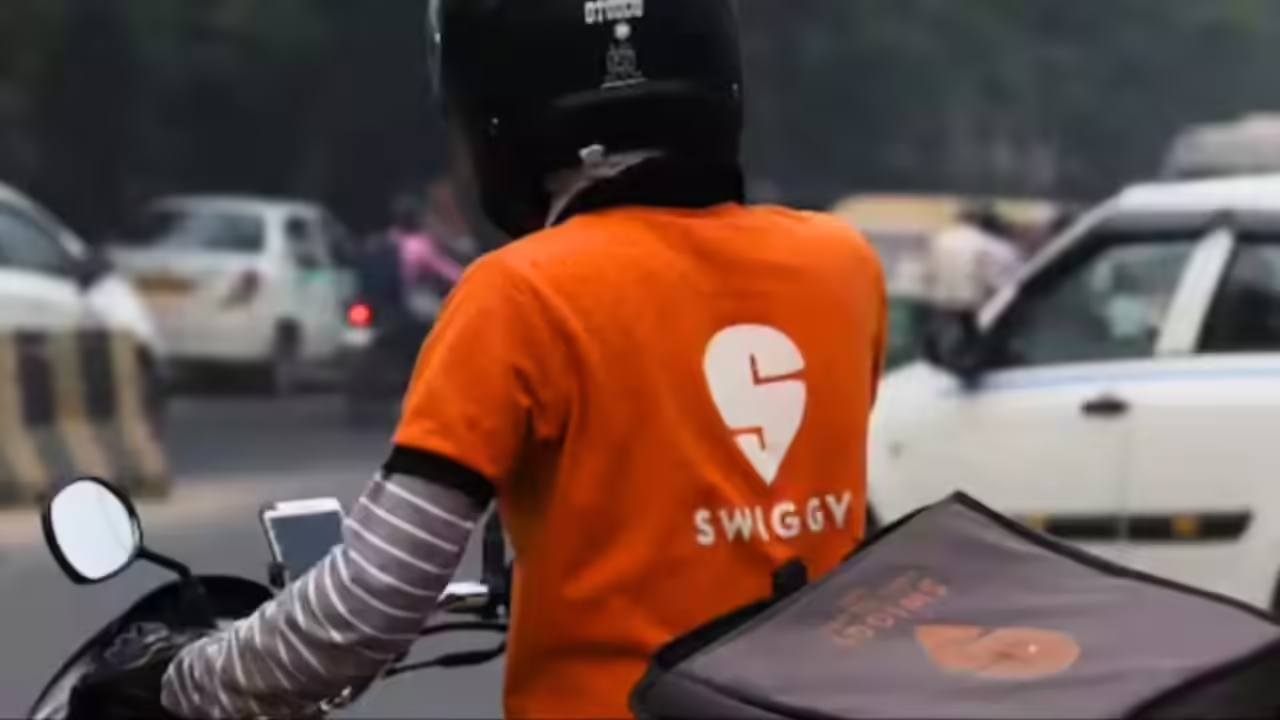
Logistics has been a critical factor in enabling Tier-3 D2C growth. Improved road networks, warehousing solutions, and delivery services have made it easier to ship products across the country.
Ecommerce companies have expanded their reach into smaller towns, ensuring that products can be delivered efficiently. This has removed one of the biggest barriers for businesses outside metro cities.
Supply chain integration also helps maintain product quality and consistency. Brands can source materials locally while distributing products nationally.
As logistics continues to improve, the potential for Tier-3 D2C brands to scale further increases.
Challenges Facing Tier-3 D2C Brands
Despite strong growth, these brands face several challenges. Building brand awareness at a national level requires significant marketing effort.
Competition from established players and new entrants can make it difficult to stand out. Customer acquisition costs are rising, especially on digital platforms.
Access to funding is another challenge. While interest in Tier-3 startups is growing, it is still not as strong as in metro cities.
Operational challenges such as inventory management and supply chain disruptions can also impact growth. Addressing these issues is essential for long term sustainability.
What This Means for India’s Consumer Market
The rise of D2C brands from Tier-3 cities reflects a broader shift in India’s consumer market. Growth is no longer limited to urban centres but is spreading across regions.
These brands bring diversity to the market by offering unique products and perspectives. They also create employment and support local economies.
For consumers, this means more choices and access to products that were previously limited to specific regions. For investors, it represents an opportunity to tap into a growing segment.
As digital adoption continues to rise, Tier-3 D2C brands are likely to play a significant role in shaping the future of retail in India.
Key Takeaways
- Tier-3 D2C brands are growing due to digital access and cost advantages
- Niche products and local innovation drive differentiation
- Improved logistics and ecommerce platforms enable national reach
- Challenges include marketing, funding, and competition
Frequently Asked Questions
What are D2C brands?
They are businesses that sell directly to consumers without traditional retail intermediaries.
Why are Tier-3 cities important for D2C growth?
They offer lower costs, local insights, and access to emerging markets.
How do these brands reach customers nationwide?
Through ecommerce platforms, social media, and improved logistics networks.
What challenges do Tier-3 D2C brands face?
Brand visibility, funding access, and operational complexities are key challenges.