


























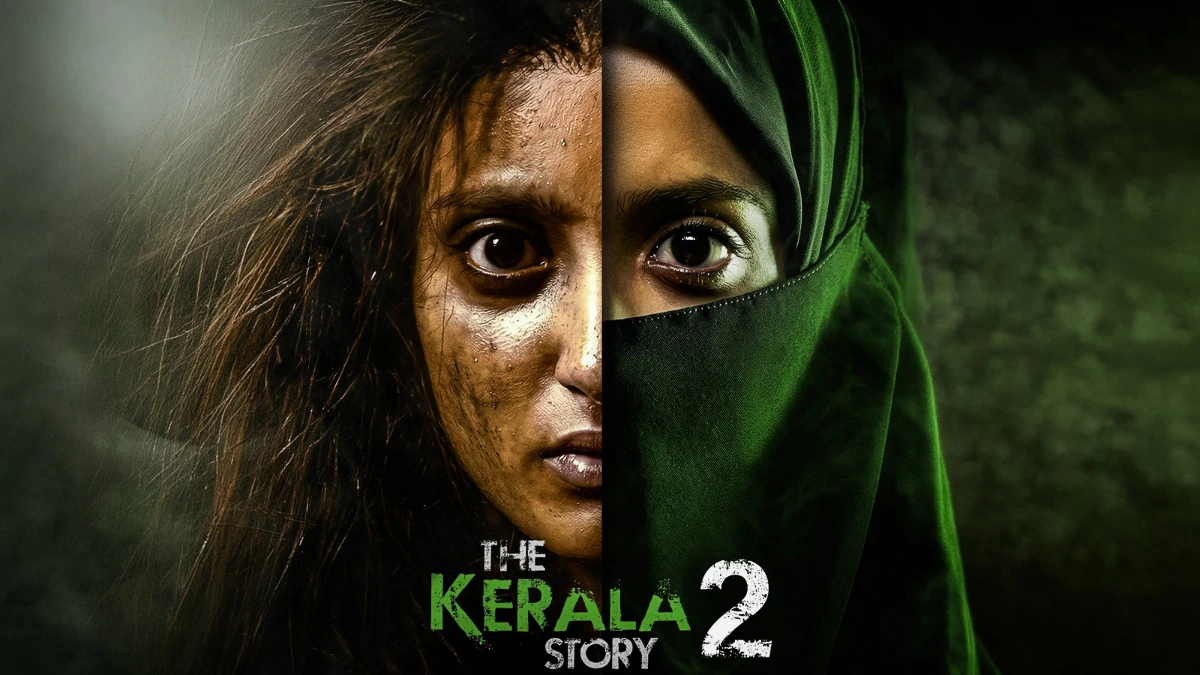
The Kerala Story 2 controversy continues to generate attention across India, with debates around content, representation, and censorship. The film’s discussions have extended beyond entertainment, raising questions about creative freedom, political narratives, and audience interpretation.
Why The Kerala Story 2 Controversy Remains Relevant
The Kerala Story 2 controversy is a time sensitive issue, as ongoing reactions from audiences, political groups, and commentators keep the topic in public discourse. The sequel follows the impact created by The Kerala Story, which itself sparked widespread debate upon release.
The current discussions are driven by differing interpretations of the film’s narrative. Supporters argue that it addresses sensitive issues that deserve attention, while critics question the accuracy and portrayal of certain themes.
This divide has ensured that the film remains a trending topic across news platforms and social media. The controversy is not limited to cinematic critique but extends into broader conversations about storytelling and responsibility.
Content Debate and Questions Around Representation
A central aspect of the Kerala Story 2 controversy revolves around representation. Critics have raised concerns about whether the film presents a balanced view of the subject it explores.
Films dealing with real world inspired themes often face scrutiny regarding factual accuracy. In this case, the debate focuses on whether the narrative simplifies complex issues or presents them in a way that could influence public perception.
Supporters counter that cinema is a form of storytelling and not a documentary, allowing creative interpretation. This tension between artistic freedom and factual responsibility is a recurring theme in Indian cinema.
The discussion highlights how films can shape narratives, especially when they address sensitive topics linked to identity, society, or politics.
Role of Social Media in Amplifying the Controversy
Social media platforms such as X and Instagram have played a major role in amplifying the Kerala Story 2 debate. Clips, opinions, and reviews circulate rapidly, influencing audience perception even before viewing the film.
Hashtags, reaction videos, and influencer commentary have turned the controversy into a digital trend. This has increased visibility but also contributed to polarised opinions.
In many cases, discussions are driven by short clips or second hand information, which may not reflect the full context of the film. This highlights the impact of digital platforms in shaping public discourse around entertainment.
The speed of information flow means that controversies can escalate quickly and remain in the spotlight for extended periods.
Political Reactions and Public Discourse
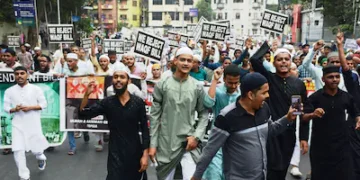
The Kerala Story 2 controversy has also drawn political attention, which has further intensified the debate. Statements from public figures and organisations have added new layers to the discussion.
In India, films that touch on sensitive social or political themes often become part of larger ideological debates. This case is no different, with different groups interpreting the film’s message in contrasting ways.
Public discourse has expanded beyond cinema halls to include policy discussions, media debates, and online campaigns. This shows how entertainment content can intersect with broader societal conversations.
The involvement of political voices ensures that the issue remains visible in mainstream media coverage.
Impact on Box Office and Audience Curiosity
Controversies often influence audience behaviour, and The Kerala Story 2 appears to be no exception. Increased media attention can drive curiosity, leading more people to watch the film to form their own opinions.
At the same time, strong criticism can also deter certain audiences. The overall impact on box office performance depends on how these factors balance out.
In recent years, several films in India have seen controversy translate into higher visibility. However, long term success still depends on content quality and audience reception.
The Kerala Story 2 controversy demonstrates how debates can become part of a film’s marketing narrative, intentionally or otherwise.
Broader Questions About Censorship and Creative Freedom
The ongoing discussion raises important questions about censorship and creative freedom in Indian cinema. Regulatory bodies are expected to balance freedom of expression with social responsibility.
Filmmakers often navigate complex guidelines when dealing with sensitive topics. The challenge lies in telling impactful stories without triggering misinformation or social tension.
Audiences, on the other hand, are becoming more vocal about the content they consume. This creates a dynamic environment where creators must consider both artistic intent and public response.
The debate around The Kerala Story 2 reflects these broader challenges faced by the film industry.
What This Controversy Signals for Future Films
The sustained attention around this issue indicates that films addressing controversial themes will continue to generate discussion. As audiences become more engaged, reactions are likely to become more immediate and widespread.
Filmmakers may adopt more cautious approaches or invest in deeper research to avoid backlash. At the same time, controversy may remain a factor that drives visibility.
The intersection of cinema, social media, and public discourse is becoming stronger. This will shape how films are produced, marketed, and received in the future.
The Kerala Story 2 controversy serves as an example of how a single film can influence conversations beyond entertainment.
Key Takeaways
- The Kerala Story 2 controversy remains active due to ongoing public and political debate
- Representation and narrative accuracy are central points of discussion
- Social media has amplified visibility and polarised opinions
- The issue highlights broader questions about censorship and creative freedom
Frequently Asked Questions
Why is The Kerala Story 2 controversial?
The controversy stems from debates around its narrative, representation, and perceived accuracy.
Is the film based on real events?
It is inspired by themes linked to real world issues but presented as a cinematic narrative.
How has social media influenced the controversy?
It has amplified discussions, spread opinions rapidly, and increased audience awareness.
Does controversy affect a film’s success?
It can increase visibility and curiosity, but long term success depends on audience reception.