




























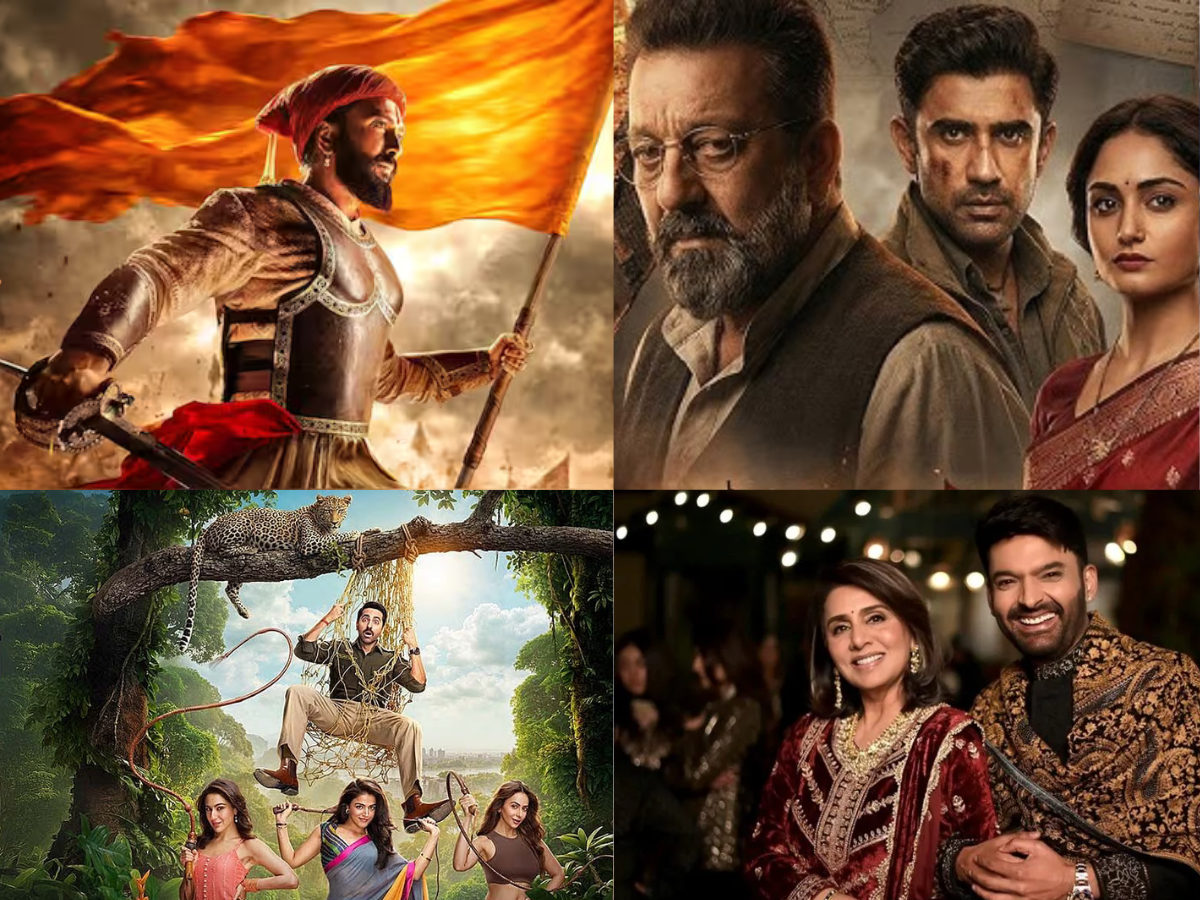
Big releases this month are drawing attention across theatres and OTT platforms, with titles ranging from Raja Shivaji to global sequels like The Devil Wears Prada 2. The lineup reflects a mix of regional storytelling and franchise driven international cinema.
Big Releases This Month Signal Strong Box Office Momentum
Big releases this month highlight a time sensitive phase in the entertainment calendar, where studios push major titles to capture early summer audiences. The mix includes Indian historical dramas, regional cinema, and internationally recognised sequels that are expected to generate significant buzz.
Among the notable Indian titles is Raja Shivaji, a film centred on the life and legacy of Chhatrapati Shivaji Maharaj. Historical films continue to attract audiences due to their cultural relevance and large scale production values.
On the global front, sequels like The Devil Wears Prada 2 represent the growing trend of revisiting established franchises. These films rely on existing fan bases to drive initial viewership.
This combination of local and global content reflects the evolving preferences of Indian audiences, who now consume both regional and international cinema with equal interest.
Raja Shivaji and the Rise of Historical Indian Cinema
The release of Raja Shivaji underscores the continued popularity of historical narratives in Indian cinema. Films based on historical figures often perform well because they connect with cultural identity and national history.
Such projects typically involve extensive research, large scale sets, and detailed costume design. They also attract audiences across age groups, from students to older viewers interested in history.
The success of previous historical films has encouraged producers to invest in similar projects. This trend is particularly strong in regional industries, where local stories are gaining national visibility through dubbing and OTT distribution.
For Tier 2 and Tier 3 audiences, these films often hold deeper relevance as they reflect familiar cultural themes and historical pride.
Global Sequels and Franchise Driven Content Strategy
The inclusion of international sequels like The Devil Wears Prada 2 highlights the globalisation of entertainment consumption in India. Audiences are increasingly following Hollywood franchises alongside Indian releases.
Sequels offer a predictable return on investment for studios because they build on established characters and narratives. Viewers who enjoyed the original film are more likely to watch the continuation.
This strategy is not limited to Hollywood. Indian filmmakers are also exploring sequels and cinematic universes to maintain audience engagement.
The trend indicates a shift toward long term storytelling, where individual films are part of a larger narrative ecosystem. This approach helps sustain interest beyond a single release.
OTT Platforms Expanding the Reach of New Releases
OTT platforms play a crucial role in extending the lifecycle of big releases. Films that debut in theatres often move to streaming platforms within weeks, reaching a wider audience.
Platforms like Netflix and Amazon Prime Video have become key distribution channels for both Indian and international content.
This hybrid release model benefits viewers who prefer watching films at home. It also allows producers to recover investments through multiple revenue streams.
For smaller cities, OTT access ensures that audiences are not limited by theatre availability. This has significantly increased content consumption across regions.
Audience Preferences Shaping Content Choices in 2026
The variety in this month’s releases reflects changing audience preferences. Viewers are no longer limited to a single genre or language. Instead, they explore a wide range of content based on interest and accessibility.
Action, drama, historical narratives, and fashion themed stories all find their audience segments. This diversity encourages producers to experiment with different formats and themes.
Short attention spans and mobile viewing habits have also influenced storytelling styles. Films are now designed to engage viewers quickly while maintaining strong narratives.
The growing influence of social media also impacts success. Trailers, reviews, and viral clips can significantly affect audience turnout.
Economic Impact on Film Industry and Box Office Trends
Big releases contribute significantly to the film industry’s revenue cycle. High budget films generate employment across production, marketing, and distribution sectors.
Successful releases can boost theatre occupancy rates, benefiting cinema chains and local businesses. At the same time, competition between multiple releases can impact individual box office performance.
The presence of both Indian and international titles increases competition but also expands overall market size. Audiences have more choices, which can lead to higher overall consumption.
The industry continues to adapt to changing viewing habits, balancing theatrical releases with digital distribution.
What This Means for the Future of Entertainment
The May 2026 release lineup reflects a broader transformation in the entertainment industry. Content is becoming more diverse, accessible, and interconnected across platforms.
Regional films are gaining national recognition, while global franchises continue to attract Indian audiences. This dual trend is likely to shape future production strategies.
For viewers, this means more options and better quality content. For creators, it presents opportunities to reach wider audiences.
As technology and distribution models evolve, the line between local and global entertainment will continue to blur.
Key Takeaways
- Big releases this month include a mix of Indian historical films and global sequels
- Franchise based content continues to attract strong audience interest
- OTT platforms are expanding access to new releases across regions
- Audience preferences are driving diversity in genres and storytelling
Frequently Asked Questions
What are the major releases in May 2026?
They include films like Raja Shivaji and international sequels such as The Devil Wears Prada 2.
Why are historical films popular in India?
They connect with cultural identity and offer large scale cinematic experiences.
How do OTT platforms affect film releases?
They extend the reach of films and provide additional revenue streams.
Are sequels becoming more common in cinema?
Yes, both Indian and international industries are increasingly focusing on franchise content.