





















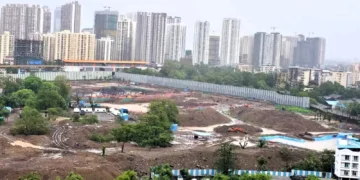









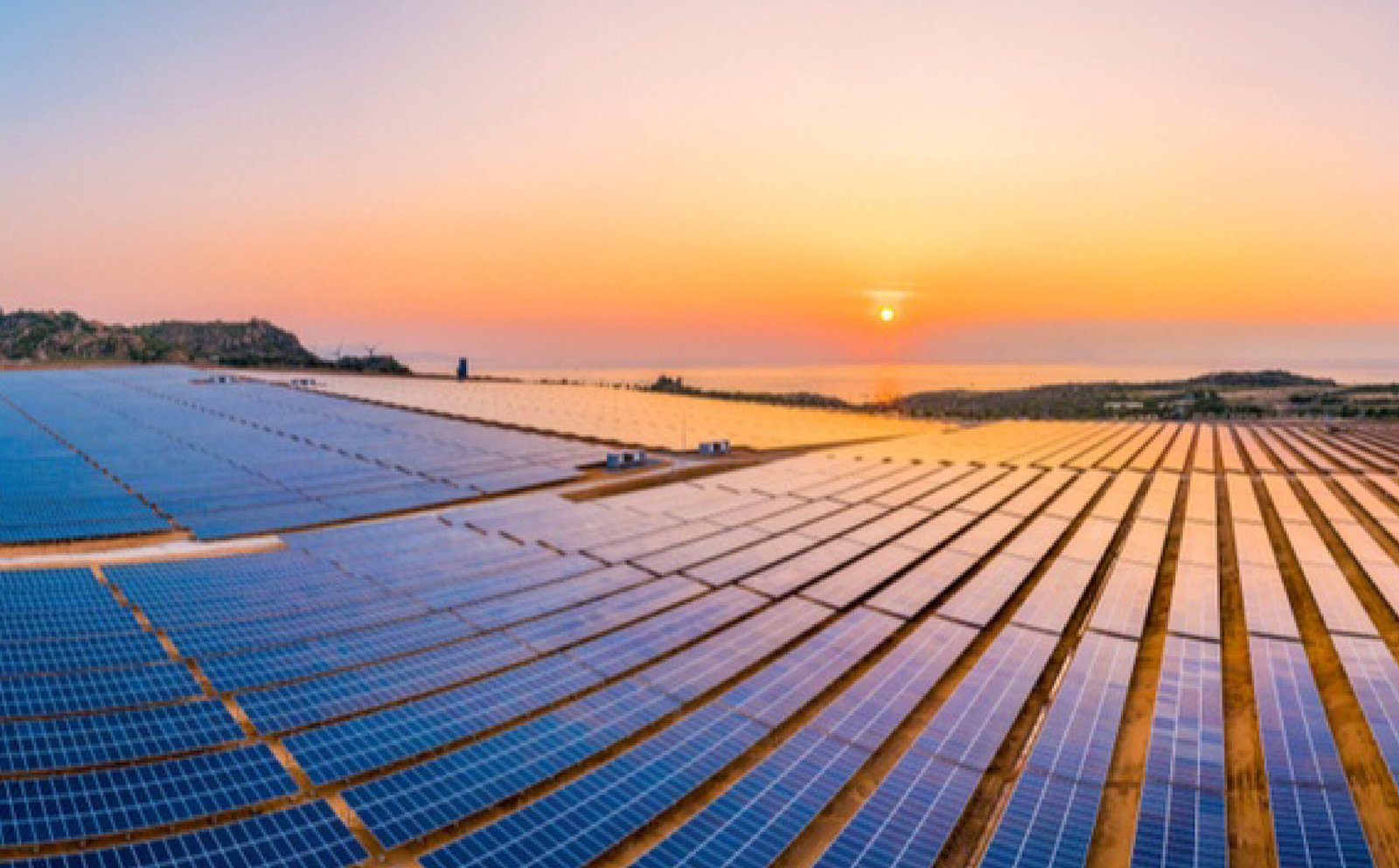
Uttar Pradesh pushes solar expansion as power demand surges in 2026, reflecting a growing gap between electricity consumption and supply. The state is accelerating renewable energy projects to stabilise the grid and reduce dependence on conventional power sources.
Rising Power Demand Driving Solar Expansion in Uttar Pradesh
Uttar Pradesh pushes solar expansion as power demand surges in 2026, making this a time sensitive development linked to seasonal consumption patterns and infrastructure planning. The state has witnessed a sharp rise in electricity demand due to population growth, urbanisation, and increased use of cooling appliances during extended heat conditions.
Peak demand periods are becoming more intense, especially during summer months when temperatures climb and air conditioning usage rises. This puts pressure on traditional power generation systems, which rely heavily on coal and thermal sources.
Solar energy offers a practical solution because it aligns well with daytime demand peaks. By increasing solar capacity, the state can reduce stress on the grid and avoid power shortages during critical hours.
Solar Energy Projects and Policy Push in 2026
The Uttar Pradesh solar expansion strategy includes large scale solar parks, rooftop installations, and decentralised renewable projects. Authorities are focusing on both utility scale generation and smaller distributed systems to maximise coverage.
State policies are encouraging private participation through incentives and simplified approval processes. This approach aims to attract investment and speed up project execution.
The expansion is also aligned with national renewable energy targets, where states play a key role in achieving overall capacity goals. Uttar Pradesh, being one of the most populous states, has significant potential to contribute to these targets.
By diversifying energy sources, the state can improve reliability and reduce the risks associated with fuel supply fluctuations.
Impact on Urban and Rural Electricity Supply
The solar expansion in Uttar Pradesh is expected to benefit both urban and rural areas. In cities, increased solar generation can support growing commercial and residential demand, reducing the likelihood of outages.
For rural regions, decentralised solar projects can improve access to electricity. Villages that face inconsistent supply may benefit from localised solar systems that provide more stable power.
Farmers can also gain from solar powered irrigation systems, which reduce reliance on diesel pumps and lower operating costs. This has both economic and environmental advantages.
Improved electricity access can support small businesses, education, and healthcare services, making solar expansion a key driver of regional development.
Economic Benefits and Job Creation Opportunities
The push for solar energy is expected to create employment across multiple sectors. Jobs can emerge in manufacturing, installation, maintenance, and project management.
Local businesses may benefit from supplying materials and services related to solar projects. Training programs can help develop a skilled workforce capable of supporting the renewable energy sector.
Investment in solar infrastructure can also stimulate economic activity. As projects are developed, they generate demand for land, equipment, and technical expertise.
For a state like Uttar Pradesh, which has a large workforce, renewable energy offers an opportunity to create sustainable employment while addressing energy needs.
Challenges in Scaling Solar Infrastructure
Despite its advantages, solar expansion comes with challenges. Land availability is a major concern, especially for large solar parks. Identifying suitable locations without disrupting agriculture or local communities requires careful planning.
Grid integration is another issue. Solar power generation is intermittent, depending on sunlight availability. Managing fluctuations and ensuring consistent supply requires advanced grid management systems.
Storage solutions such as batteries can help address this problem, but they add to costs. Investment in energy storage technology will be crucial for long term success.
Financing and project delays are additional risks. Large scale infrastructure projects often face regulatory and logistical hurdles that can slow progress.
Environmental Impact and Long Term Sustainability
Solar energy plays a significant role in reducing carbon emissions and improving air quality. By shifting away from fossil fuels, Uttar Pradesh can lower its environmental footprint and contribute to national climate goals.
The use of renewable energy also reduces dependence on imported fuels, enhancing energy security. Over time, this can lead to more stable energy prices.
However, sustainability depends on responsible implementation. Proper disposal and recycling of solar panels must be considered to avoid future environmental issues.
Overall, the expansion of solar capacity represents a long term investment in cleaner and more reliable energy.
What This Means for India’s Energy Transition
The developments in Uttar Pradesh reflect a broader trend across India, where states are increasing their focus on renewable energy to meet rising demand. Solar expansion is becoming a central part of energy planning.
As one of the largest states, Uttar Pradesh’s progress can influence national outcomes. Successful implementation can serve as a model for other regions facing similar challenges.
The shift toward solar energy indicates a move toward a more balanced and sustainable power mix. It also highlights the importance of combining policy support, technology, and investment.
For consumers, this transition may lead to improved power availability and reduced environmental impact in the coming years.
Key Takeaways
- Uttar Pradesh is expanding solar capacity to meet rising electricity demand
- Solar energy helps manage peak load and reduce dependence on thermal power
- The initiative can improve power supply in both urban and rural areas
- Challenges include land use, grid integration, and financing
Frequently Asked Questions
Why is Uttar Pradesh focusing on solar energy in 2026?
Rising power demand and the need for sustainable energy sources are driving the expansion.
How will solar projects benefit rural areas?
They can provide more reliable electricity and support agricultural activities like irrigation.
What challenges does solar expansion face?
Key challenges include land availability, grid management, and storage solutions.
Will this reduce electricity costs for consumers?
Over time, increased renewable capacity can contribute to more stable and potentially lower energy costs.