


























Bangalore traffic crackdown measures have intensified in 2026, with stricter fines and enforcement across the city. Authorities are targeting violations like signal jumping, wrong-side driving, and helmet compliance as congestion and accident risks continue to rise in India’s tech capital.
The Bangalore traffic crackdown is a time-sensitive development driven by rising congestion, accident data, and citizen complaints. The city’s traffic police have stepped up enforcement through higher fines, digital monitoring, and stricter rule implementation to improve road discipline and safety.
What Triggered the Bangalore Traffic Crackdown
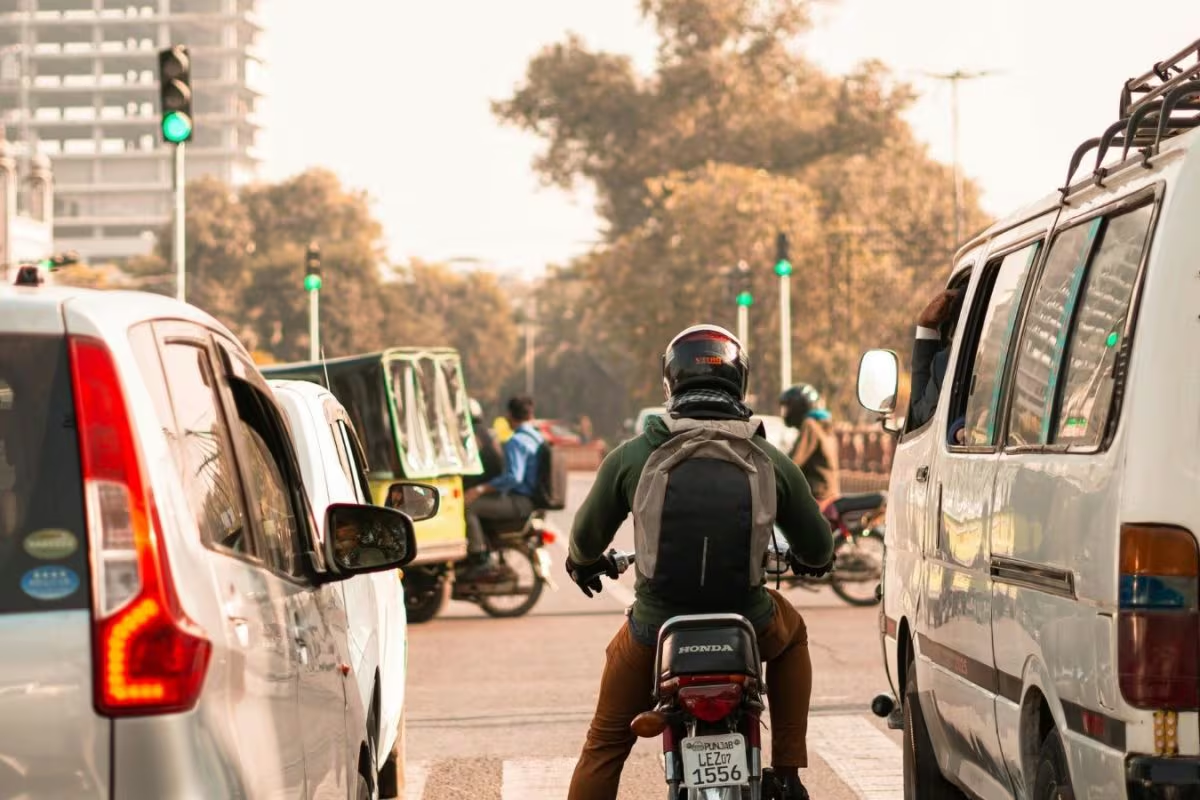
Bangalore has consistently ranked among India’s most congested cities. Rapid urban growth, increasing private vehicle ownership, and limited road expansion have created daily traffic bottlenecks. Authorities have also flagged a steady rise in violations such as signal jumping, lane indiscipline, and riding without helmets.
Recent internal assessments by traffic police highlighted that a large percentage of accidents involved rule violations rather than infrastructure issues. This pushed enforcement agencies to tighten monitoring rather than rely only on long-term infrastructure fixes.
Public pressure has also played a role. Social media complaints and citizen reports have amplified the demand for stricter enforcement. As a result, the crackdown is not a one-day drive but part of an ongoing compliance strategy.
New Traffic Fines in Bangalore Explained
Under the updated enforcement drive, fines for common violations are being strictly imposed as per the Motor Vehicles Act provisions. Signal jumping, which is one of the most common offenses, can attract a fine of up to ₹1,000 for first-time offenders. Riding without a helmet or allowing a pillion rider without a helmet can lead to fines and possible license suspension in repeat cases.
Wrong-side driving, which significantly contributes to accidents in narrow city roads, is being penalized more aggressively. Drunk driving penalties remain among the highest, including heavy fines and possible imprisonment depending on severity.
Authorities are also focusing on documentation. Driving without valid insurance, pollution certificate, or license is being tracked digitally, and offenders are being issued e-challans directly.
Increased Surveillance and Use of Technology
One of the key aspects of the Bangalore traffic rules update is the expanded use of surveillance. The city has deployed high-resolution CCTV cameras at major junctions and traffic signals. These systems automatically detect violations such as red light jumping and lane cutting.
Automatic Number Plate Recognition systems are also being used to identify repeat offenders. This reduces dependency on manual checks and ensures consistent enforcement across locations.
E-challan systems have made the process more efficient. Violators receive fines directly linked to their vehicle registration, reducing the chances of escaping penalties. Data from these systems is also helping authorities identify high-risk zones and peak violation hours.
Impact on Daily Commuters and Riders
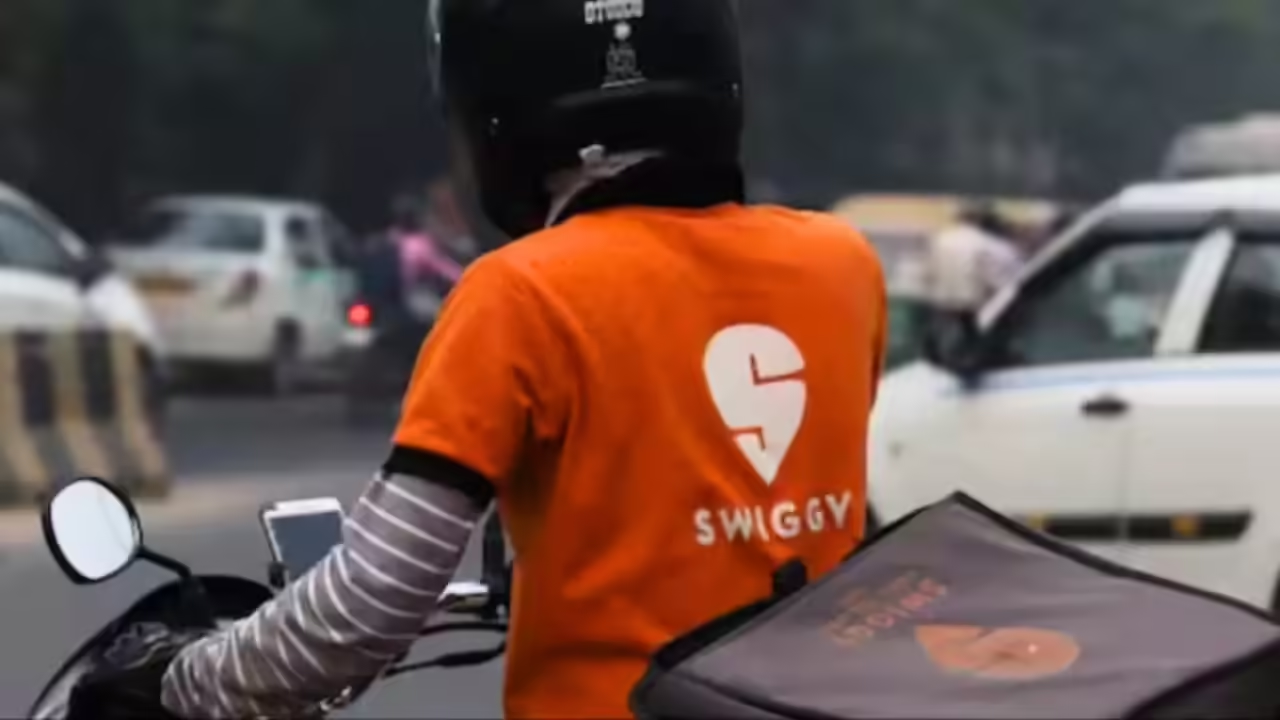
For daily commuters, the crackdown means stricter adherence to rules is no longer optional. Office-goers, delivery riders, and cab drivers are among the most affected groups, as they spend the most time on roads and are more exposed to checks.
Helmet compliance has seen visible improvement in several areas after increased enforcement. However, challenges remain in peak-hour traffic where monitoring becomes harder.
There is also a behavioral shift. With higher chances of being fined, more drivers are following lane discipline and signal rules. While this may slightly increase travel time in the short term, authorities believe it will improve overall traffic flow and reduce accidents over time.
What Drivers in Bangalore Should Do Now
Drivers need to focus on compliance rather than shortcuts. Following basic rules such as wearing helmets, stopping at signals, and avoiding wrong-side driving can prevent fines and improve safety.
Keeping documents updated is equally important. Digital copies stored in apps like DigiLocker are generally accepted, but they must be valid and accessible during checks.
Awareness is key. Many violations happen due to ignorance rather than intent. Understanding updated fines and rules can help drivers avoid unnecessary penalties.
Takeaways
Bangalore traffic crackdown is a sustained enforcement drive, not a temporary campaign
Higher fines and digital monitoring are targeting common violations like signal jumping and helmet use
Surveillance technology like CCTV and ANPR is increasing detection rates across the city
Drivers must focus on compliance and updated documents to avoid penalties
FAQs
What are the most common violations being fined in Bangalore?
Signal jumping, riding without helmets, wrong-side driving, and missing documents are among the most common offenses.
Are fines issued on the spot or digitally?
Both methods are used, but e-challans linked to vehicle registration are becoming more common due to CCTV monitoring.
Can repeated violations lead to license suspension?
Yes, repeated offenses, especially serious ones like drunk driving, can result in license suspension or stricter legal action.
How can drivers check if they have pending fines?
They can check through official traffic police websites or apps using their vehicle registration number.