



















A Delhi Metro seat fight video has gone viral across social media, triggering a wave of memes and online debates. The incident highlights recurring issues of overcrowding and public etiquette, turning a routine commute moment into nationwide internet content.
Viral Delhi Metro Seat Fight Video Grabs Attention
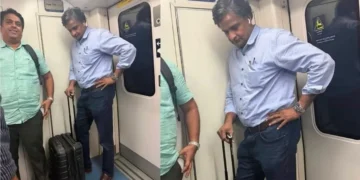
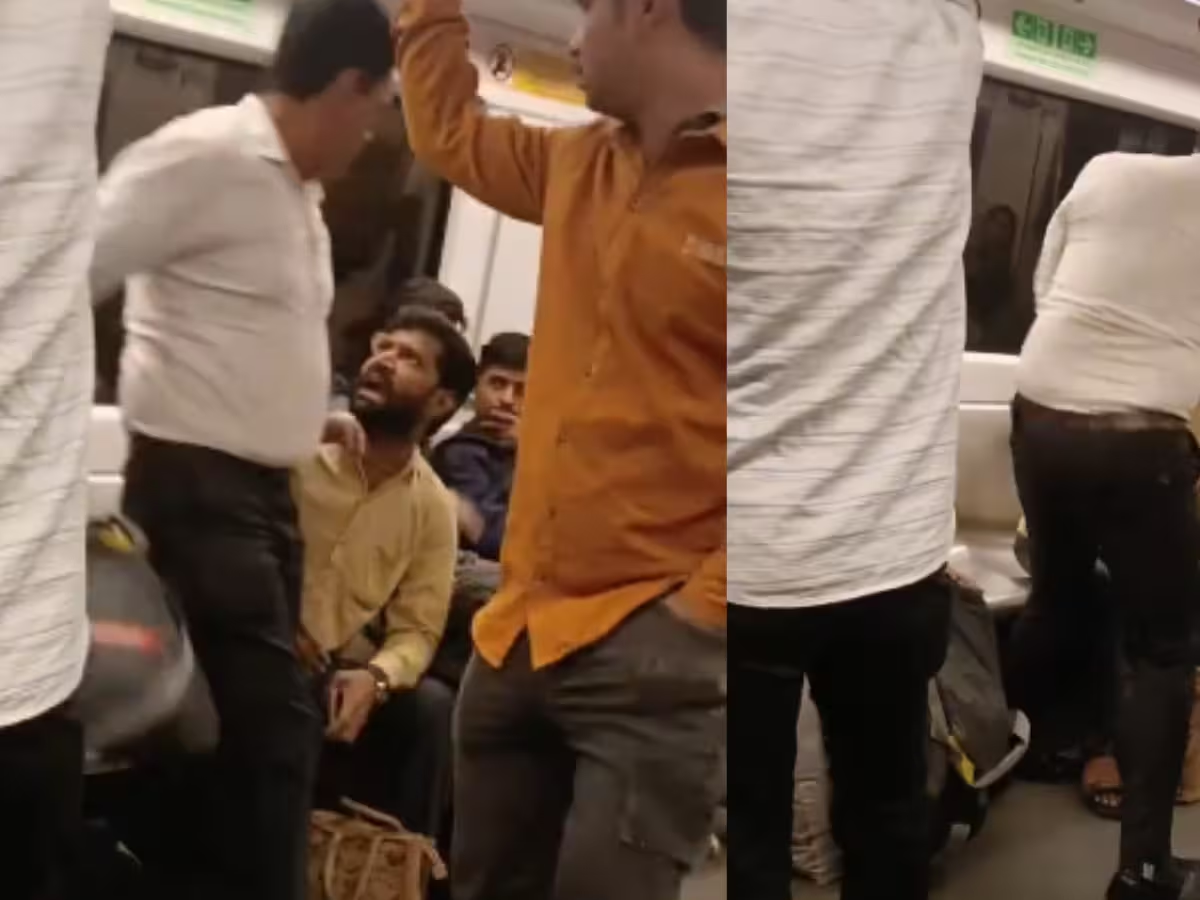
The Delhi Metro seat fight video is trending after a clip showing passengers arguing over a seat surfaced online and quickly spread across platforms like X and Instagram. The short video captures a heated exchange between commuters inside a crowded coach, with raised voices and visible frustration over seating rights.
Such incidents are not entirely new for the Delhi Metro Rail Corporation network, which handles millions of passengers daily. However, what makes this instance different is how quickly it transitioned from a local moment to a nationwide viral topic.
Within hours, users began resharing the clip with captions, reactions, and edits, pushing it into trending sections. The relatability of crowded metro travel played a key role in amplifying its reach, especially among urban audiences.
Why These Metro Incidents Keep Going Viral
Public transport conflicts often resonate because they reflect everyday frustrations. In cities like Delhi, where metro systems are lifelines for office-goers and students, peak-hour congestion creates frequent tension points.
Social media algorithms further accelerate such content. Short, emotionally charged clips perform well due to high engagement rates. In this case, the mix of confrontation, humor, and relatability created ideal conditions for virality.
Another factor is the ongoing culture of recording incidents in public spaces. With smartphones readily available, even minor disputes are documented and shared instantly, turning private moments into public discourse.
Meme Culture Takes Over Social Media
Soon after the video surfaced, meme creators transformed the incident into humorous content. Popular formats included “POV” jokes, office life comparisons, and exaggerated reenactments.
The Delhi Metro seat fight became a template for broader commentary on daily struggles, from workplace competition to family dynamics. This pattern is consistent with previous viral moments in India, where humor becomes a coping mechanism for shared inconveniences.
Memes also extended the lifecycle of the video. While news clips typically fade quickly, meme adaptations keep the topic circulating for days, sometimes weeks, across different audience segments.
Public Reaction and Safety Concerns
While many users treated the incident as entertainment, others raised concerns about commuter behavior and safety. Overcrowding, lack of awareness about priority seating, and impatience during rush hours were highlighted as recurring issues.
The Delhi Metro Rail Corporation has previously issued guidelines promoting courteous travel, including giving seats to elderly passengers, women, and those in need. However, enforcement largely depends on public cooperation rather than strict monitoring.
Experts point out that as metro networks expand and ridership increases, managing commuter behavior will become more challenging. Awareness campaigns and better crowd management strategies may be necessary to reduce such conflicts.
The Bigger Picture: Urban Commute Pressure
The viral video reflects a larger urban reality. Rapid population growth and increased reliance on public transport have intensified pressure on metro systems across Indian cities.
For many commuters, securing a seat is not just about comfort but also about long travel durations. This often leads to heightened sensitivity over seating disputes, especially during peak hours.
Incidents like these highlight the need for infrastructure expansion, improved frequency of trains, and better commuter etiquette. Without addressing these factors, similar situations are likely to continue.
Takeaways
- Delhi Metro seat fight video gained traction due to relatability and social media amplification
- Crowded urban transport systems create frequent friction points among commuters
- Meme culture extends the lifespan of viral incidents beyond news cycles
- Improving commuter awareness and infrastructure is key to reducing such conflicts
FAQs
Q1. Why did the Delhi Metro seat fight video go viral?
The video combined relatable commuter frustration with a dramatic argument, making it highly shareable on social media platforms.
Q2. Are such incidents common in Delhi Metro?
Minor disputes do occur occasionally, especially during peak hours, due to overcrowding and competition for seats.
Q3. What rules exist for seating in Delhi Metro?
Priority seating is reserved for elderly passengers, women, and those with disabilities, but general seating follows a first-come basis.
Q4. How can commuters avoid such conflicts?
Following etiquette, respecting priority seating, and maintaining patience during rush hours can help reduce disputes.