





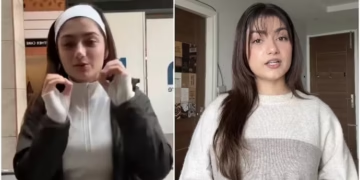

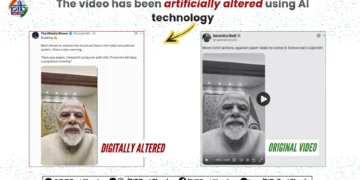




















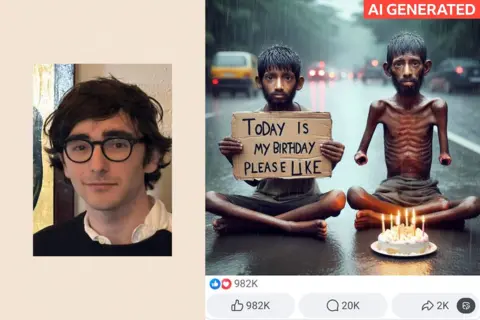
AI generated viral videos have become more realistic than ever in 2026, making it increasingly difficult for users to distinguish between authentic footage and fabricated content. As these videos spread rapidly across social media platforms, experts are urging users to verify content before sharing to reduce the impact of misinformation.
The topic is evergreen with a strong current relevance, so this article follows an educational and explanatory style while incorporating the latest developments in AI generated media.
Artificial intelligence generated viral videos are dominating social media in 2026, raising serious concerns about misinformation, digital trust, and online safety. From realistic celebrity clips to fabricated breaking news and manipulated public events, AI generated videos are being viewed and shared by millions before their authenticity is questioned.
The rapid advancement of generative AI has made creating convincing videos easier, faster, and more affordable. While these tools have opened new possibilities for creativity and filmmaking, they have also enabled misleading content to spread at an unprecedented speed. As internet users increasingly consume short-form videos, distinguishing between genuine and AI generated content has become one of the biggest digital challenges of the year.
How Generative AI Is Changing Social Media
Modern AI video generators can create realistic human faces, natural speech, synchronized lip movements, and detailed environments using only text prompts or a few reference images. Unlike earlier deepfakes that often contained visible flaws, today’s AI systems produce videos that appear authentic even after close inspection.
Short video platforms encourage rapid sharing through recommendation algorithms. Once an AI generated clip begins attracting attention, engagement signals such as likes, comments, and shares help it reach even larger audiences. Many viewers encounter these videos without any context about their origin, increasing the likelihood that fabricated content is mistaken for real events.
The popularity of AI editing tools has also lowered the barrier for creators. Individuals with little technical experience can now produce professional looking videos within minutes using commercially available software.
Why Millions Believe AI Generated Viral Videos
Several psychological and technological factors contribute to the success of AI generated misinformation.
First, people naturally trust visual evidence. A convincing video often feels more believable than written text, even when it lacks verification. Second, emotional content spreads faster online. Videos that provoke surprise, anger, excitement, or fear are more likely to be shared without careful fact checking.
Another reason is the speed of social media. Users frequently watch short clips while scrolling quickly through their feeds. Few pause to verify the source before reacting or forwarding the content.
AI systems are also improving continuously. Better facial rendering, realistic lighting, smoother animations, and more natural voice synthesis have reduced many of the visual clues that previously exposed fake videos.
Common Types of AI Generated Viral Videos
Several categories of AI generated videos are regularly seen across social media platforms.
Celebrity deepfakes remain among the most popular. These clips may falsely show actors, musicians, influencers, or sports personalities promoting products or making controversial statements.
Political misinformation is another growing concern. Fabricated speeches or altered public appearances can spread confusion during elections, policy debates, or major national events.
AI generated breaking news videos are also becoming common. These clips may falsely depict disasters, protests, accidents, or military activity using realistic visuals and synthetic news presenters.
Entertainment content has also embraced AI. Many creators openly use AI for comedy sketches, historical recreations, fictional movie trailers, and creative storytelling. When clearly labeled, such content provides entertainment without misleading viewers.
How Social Media Platforms Are Responding
Major social media companies have introduced measures to reduce the spread of misleading AI generated content. Many platforms now encourage creators to disclose when AI has been used significantly in producing videos. Some services are also developing automated systems that detect manipulated media using machine learning.
However, detection remains challenging because AI generation technology evolves rapidly. Every improvement in detection is often followed by more advanced generation techniques designed to avoid identification.
Independent fact checking organizations also play an important role by investigating viral claims and publishing verified explanations. Their work helps users understand whether widely shared videos represent genuine events or digitally created scenes.
Governments around the world are also discussing regulations that increase transparency around AI generated media while balancing innovation and freedom of expression.
How Users Can Identify Suspicious AI Videos
Although AI videos have become increasingly convincing, careful observation can still reveal warning signs.
Check whether the video is being reported by multiple trusted news organizations. Genuine major events are rarely covered by only anonymous social media accounts.
Examine the account that originally uploaded the video. Newly created profiles with little history deserve additional scrutiny.
Pay attention to unnatural facial expressions, inconsistent reflections, distorted hands, mismatched shadows, or unusual background movements. While these flaws are becoming less common, they can still appear in AI generated content.
Listening carefully to speech can also help. Slightly unnatural breathing patterns, inconsistent voice tone, or awkward lip synchronization may indicate synthetic generation.
Most importantly, avoid sharing sensational content immediately. Spending a few minutes verifying information can prevent misinformation from reaching thousands of additional viewers.
The Future of Trust in the AI Era
Artificial intelligence will continue transforming content creation, marketing, education, entertainment, and filmmaking. At the same time, it is reshaping how people evaluate information online.
Digital literacy is becoming just as important as technological innovation. Understanding how AI generated media works enables users to make informed decisions instead of reacting emotionally to every viral clip.
The future will likely involve stronger detection technologies, clearer content labeling, and greater public awareness. Until then, critical thinking remains the most effective defense against misleading AI generated videos.
Key Takeaways
- AI generated videos have become highly realistic, making fake content difficult to identify.
- Emotional and sensational videos spread rapidly because social media algorithms reward engagement.
- Fact checking, trusted news sources, and careful verification are essential before sharing viral content.
- AI offers valuable creative opportunities, but responsible use and digital awareness are increasingly important.
Frequently Asked Questions
Q1. What are AI generated viral videos?
AI generated viral videos are videos created or heavily modified using artificial intelligence tools that can simulate realistic people, voices, events, or environments.
Q2. Are all AI generated videos harmful?
No. Many AI generated videos are created for entertainment, education, filmmaking, or marketing. Problems arise when synthetic content is presented as real without disclosure.
Q3. How can I verify whether a viral video is genuine?
Check whether trusted news organizations have reported the event, review the original uploader, search for multiple reliable sources, and consult reputable fact checking organizations before believing or sharing the content.
Q4. Why are AI videos becoming harder to detect in 2026?
Advances in generative AI have significantly improved facial realism, voice synthesis, lighting, animation, and editing quality, reducing many of the visual flaws that previously exposed fake videos.
(Internal Keyword Suggestions: AI generated viral videos, AI videos 2026, deepfake videos, AI misinformation, fake viral videos, social media trends, generative AI, AI content detection, online misinformation, fact checking AI videos)