





























State governments across India are rapidly expanding digital services, allowing citizens to access certificates, utility services, welfare schemes, tax payments, licenses, and grievance redressal systems online. The shift is reducing paperwork, improving transparency, and making public services more accessible from anywhere.
India’s digital governance ecosystem has evolved significantly over the past decade, and state governments are now playing a central role in delivering citizen services online. Through dedicated portals, mobile applications, integrated service centers, and digital platforms, people can complete many government-related tasks without visiting offices in person.
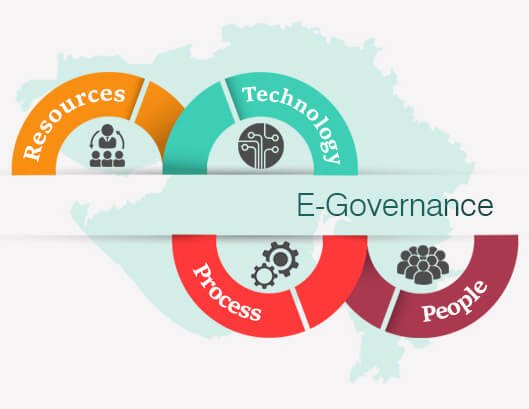
This trend is not tied to a single breaking event but reflects a broader transformation in public administration. States are investing in e-governance platforms to improve service delivery, reduce processing times, and make government systems more efficient for citizens and businesses.
E-Governance Platforms Expand Citizen Access
The growth of digital services is largely driven by state-level e-governance initiatives. Many states have developed unified citizen service portals that bring multiple government departments onto a single platform.
These portals allow residents to apply for certificates, access welfare benefits, track application status, and submit grievances online. Services that previously required multiple office visits can now often be completed through a smartphone or computer.
States such as Maharashtra, Karnataka, Tamil Nadu, Telangana, Gujarat, Kerala, and Uttar Pradesh have expanded their digital service offerings through integrated governance platforms. The goal is to simplify interactions between citizens and government departments while reducing administrative delays.
The increasing use of digital identity verification and electronic document systems has further accelerated the adoption of online public services.
Certificates and Documents Available Online
One of the most widely used digital government services involves access to official documents and certificates. Citizens can now apply online for birth certificates, death certificates, domicile certificates, income certificates, caste certificates, and residence proofs in many states.
Digital delivery helps reduce waiting periods and minimizes paperwork. Applicants can often upload supporting documents electronically and receive status updates through SMS or email notifications.
Many state governments have also integrated digital document repositories with citizen service platforms. This enables users to securely access official records without repeatedly submitting physical copies.
For students, job seekers, and beneficiaries of government schemes, easier access to verified documents has significantly improved convenience and efficiency.
Online Welfare Schemes and Social Benefit Services
State governments are increasingly using digital platforms to manage welfare programs and social assistance schemes. Citizens can check eligibility criteria, submit applications, verify beneficiary status, and track payments online.
Services related to scholarships, pensions, housing assistance, agricultural support, healthcare benefits, and food security programs are now available through digital portals in many regions.
The use of online systems helps reduce processing delays while improving transparency in benefit distribution. Digital records also make it easier for authorities to identify eligible beneficiaries and monitor program implementation.
For rural and semi-urban populations, digital access has become increasingly important as governments seek to expand service coverage through technology-enabled delivery systems.
Utility Payments and Municipal Services Move Online
Municipal and utility-related services have become some of the most frequently used digital government offerings. Citizens can pay electricity bills, water charges, property taxes, and municipal fees through state-supported platforms.
Several urban local bodies have introduced online systems for building approvals, trade licenses, waste management requests, and civic complaint registration. Residents can report issues such as damaged roads, water leakage, streetlight failures, and sanitation concerns through mobile applications and web portals.
These digital systems improve accountability because service requests can be tracked electronically. Citizens gain greater visibility into complaint resolution timelines while municipal authorities benefit from centralized monitoring tools.
The expansion of online utility services is helping reduce queues at government offices and payment centers.
Digital Services for Businesses and Entrepreneurs
The benefits of digital governance extend beyond individual citizens. Businesses and entrepreneurs increasingly rely on online government services for registrations, approvals, tax-related filings, and compliance requirements.
Many states have launched single-window clearance systems designed to simplify investment procedures. Entrepreneurs can apply for licenses, permits, and business registrations through digital platforms instead of navigating multiple departments separately.
These reforms are particularly important for startups, small businesses, and investors seeking faster approvals and greater transparency. By reducing administrative complexity, digital governance supports economic activity and encourages business growth.
The shift toward online services also aligns with broader efforts to improve India’s ease of doing business environment.
Challenges in Expanding Digital Governance
Despite significant progress, challenges remain. Internet access and digital literacy levels vary across regions, which can limit adoption among certain population groups.
Cybersecurity and data protection are also critical considerations as governments manage large volumes of citizen information. Authorities must continue investing in secure digital infrastructure and privacy safeguards.
Additionally, digital platforms must remain accessible for elderly citizens, rural communities, and individuals with limited technical knowledge. Many states continue to operate assisted service centers to ensure inclusivity.
The success of digital governance ultimately depends on balancing technology adoption with accessibility and user-friendly service delivery.
The Future of Citizen Services in India
The expansion of online government services is expected to continue as states invest in artificial intelligence, automation, digital identity systems, and integrated service delivery platforms.
Future developments may include faster application processing, improved citizen support systems, predictive service delivery, and greater integration between departments. The objective is to create a governance ecosystem where citizens can access essential services quickly and efficiently.
As digital infrastructure improves across the country, online government services are likely to become the standard method for accessing many public services, making governance more transparent, responsive, and citizen-centric.
Key Takeaways
• State governments are expanding digital services across certificates, welfare schemes, utility payments, and municipal functions.
• Citizens can now access many government services online without visiting offices in person.
• Digital platforms are improving transparency, efficiency, and service delivery across departments.
• Continued investment in digital infrastructure and accessibility remains important for long-term success.
FAQ
What government services can citizens access online?
Many states offer online access to certificates, welfare scheme applications, utility bill payments, property tax payments, grievance registration, and license-related services.
How do digital government platforms benefit citizens?
They reduce paperwork, save time, improve transparency, provide application tracking, and minimize the need for physical office visits.
Are welfare schemes available through online portals?
Yes. Many states allow citizens to apply for scholarships, pensions, housing assistance, agricultural benefits, and other welfare programs digitally.
What challenges do digital governance systems face?
Key challenges include digital literacy gaps, internet accessibility, cybersecurity concerns, and ensuring services remain inclusive for all citizens.
(digital services India, e-governance India, online government services, citizen service portals, digital governance, state government services online, welfare schemes online, utility bill payment services, public service delivery, digital India initiatives)