



























Ethanol-powered vehicles have become one of the most discussed topics in India’s automobile sector this week. Fresh vehicle launches, government support for alternative fuels, and growing interest among younger buyers have pushed flex-fuel technology into the spotlight across social media and automotive communities.
Ethanol-Powered Vehicles Gain Attention After New Launches
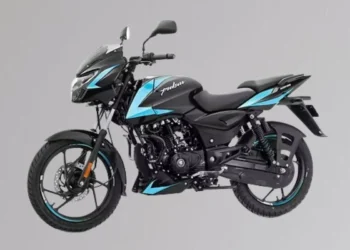
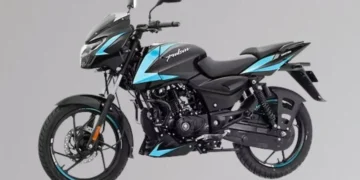
Ethanol-powered vehicles are trending among young Indians following the recent launch of flex-fuel motorcycles and renewed discussions around India’s alternative fuel strategy. Hero MotoCorp recently introduced flex-fuel variants of popular commuter motorcycles, bringing ethanol-compatible technology closer to everyday consumers.
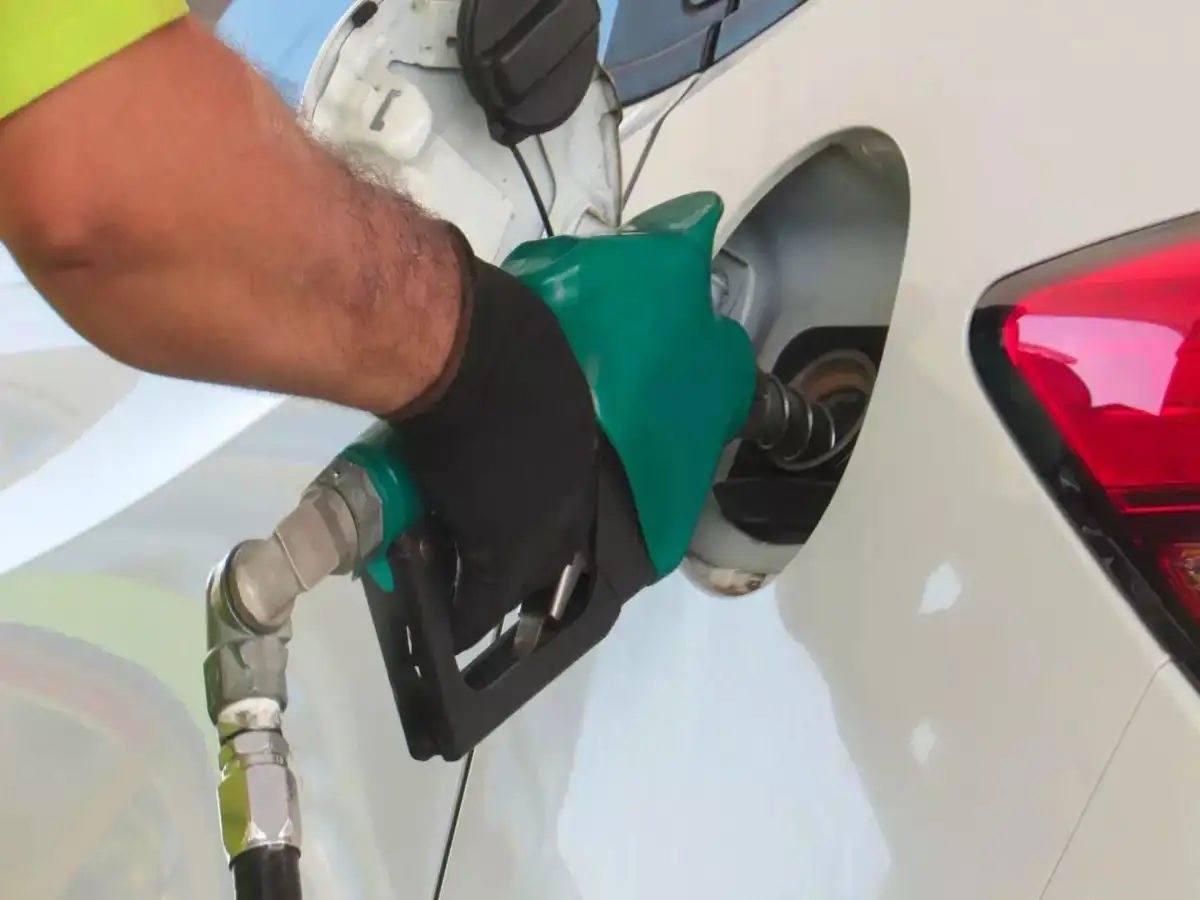
Unlike conventional petrol vehicles, flex-fuel vehicles can operate using petrol, ethanol blends, or a combination of both, depending on engine compatibility. The most common version currently being promoted in India is E20 fuel, which contains 20 percent ethanol and 80 percent petrol.
The topic has gained significant traction online because many young consumers are actively looking for alternatives to rising fuel costs and are increasingly interested in environmentally conscious transportation options.
Social media platforms have seen discussions ranging from fuel savings and sustainability benefits to questions about vehicle performance and long-term practicality.
Understanding Flex-Fuel Technology and Ethanol Blends
One reason ethanol-powered vehicles are attracting attention is that the technology is relatively easy to understand compared to electric vehicles. While EV adoption requires charging infrastructure and changes in driving habits, ethanol-powered vehicles continue to function similarly to conventional petrol-powered models.
Ethanol is a renewable fuel primarily produced from sugarcane, corn, and agricultural feedstock. India has significantly increased domestic ethanol production over the past few years as part of efforts to reduce dependence on imported crude oil.
Flex-fuel engines are specially calibrated to handle varying ethanol concentrations. Manufacturers make modifications to engine components, fuel systems, and software controls to ensure safe operation.
For many young buyers, the concept feels less disruptive than switching completely to electric mobility. It allows them to continue using traditional fueling stations while supporting a cleaner fuel alternative.
Fuel Cost and Energy Security Drive Consumer Interest
One of the biggest reasons behind the growing popularity of ethanol-powered vehicles is the conversation around fuel affordability. Young Indians, especially students, first-time vehicle owners, and daily commuters, are highly sensitive to operating costs.
Although fuel pricing depends on market conditions and government policies, ethanol is generally promoted as a domestically produced fuel that can help reduce dependence on imported petroleum products.
India imports a significant portion of its crude oil requirements. Increasing ethanol usage supports national energy security goals while creating additional demand for agricultural products produced within the country.
This connection between fuel choice and economic self-reliance resonates strongly with younger consumers who increasingly pay attention to sustainability and national development issues.
The result is a growing perception that ethanol-powered vehicles offer both environmental and economic advantages.
Environmental Benefits Appeal to Younger Buyers
Environmental awareness is playing an increasingly important role in vehicle purchasing decisions. Younger generations are more likely to consider factors such as carbon emissions, renewable energy, and sustainable transportation when evaluating mobility options.
Ethanol is considered a renewable fuel because it can be produced from agricultural crops that are replenished annually. Compared to conventional fossil fuels, ethanol blends can contribute to lower lifecycle greenhouse gas emissions under certain conditions.
Government agencies and industry stakeholders have highlighted ethanol’s potential role in reducing transportation-sector emissions while supporting cleaner fuel adoption.
For many young consumers, ethanol-powered vehicles represent a practical middle ground between traditional internal combustion engines and fully electric vehicles.
Rather than requiring a complete transition to new infrastructure, flex-fuel vehicles allow consumers to participate in cleaner mobility using existing fueling networks.
How Automakers Are Responding to the Trend
The growing discussion around ethanol has encouraged manufacturers to expand flex-fuel offerings. Hero MotoCorp’s recent flex-fuel motorcycle launches have generated considerable interest because commuter motorcycles remain the backbone of India’s two-wheeler market.
Other manufacturers are also exploring ethanol-compatible engines and future flex-fuel product lines. Industry experts expect more vehicle options to become available as India’s ethanol blending targets continue to evolve.
Automakers recognize that younger buyers increasingly value innovation and sustainability. Offering alternative fuel technologies allows companies to address changing consumer preferences while complying with evolving regulatory requirements.
The trend also reflects broader changes in India’s automotive industry, where electric vehicles, hybrid technology, compressed natural gas vehicles, and ethanol-powered models are all competing for consumer attention.
Challenges That Could Affect Long-Term Adoption
Despite growing enthusiasm, ethanol-powered vehicles still face several challenges. One important factor is fuel availability. While E20 fuel distribution has expanded significantly, nationwide access remains uneven across some regions.
Consumer awareness also remains limited. Many buyers are still learning about flex-fuel technology, vehicle compatibility, maintenance requirements, and potential operating benefits.
Additionally, some experts argue that ethanol should be viewed as one component of a broader clean mobility strategy rather than a complete replacement for other technologies.
The long-term success of ethanol-powered vehicles will depend on infrastructure expansion, fuel availability, competitive pricing, and continued support from both manufacturers and policymakers.
Nevertheless, current market trends suggest that ethanol-powered mobility will remain an important topic in India’s transportation landscape.
Key Takeaways
• Ethanol-powered vehicles are trending due to recent flex-fuel motorcycle launches and growing public interest.
• Young Indians are attracted by the potential benefits of renewable fuel and reduced oil dependence.
• Flex-fuel technology offers a familiar driving experience without requiring charging infrastructure.
• Future adoption will depend on fuel availability, consumer awareness, and manufacturer support.
FAQs
What is an ethanol-powered vehicle?
An ethanol-powered vehicle uses ethanol-blended fuel, such as E20, or can operate on varying ethanol concentrations through specially designed flex-fuel technology.
Why are young Indians interested in ethanol-powered vehicles?
Many younger consumers view ethanol as a cleaner fuel option that supports sustainability goals while reducing dependence on imported oil.
Are ethanol-powered vehicles the same as electric vehicles?
No. Ethanol-powered vehicles use internal combustion engines, while electric vehicles operate using battery-powered electric motors.
Can ethanol replace petrol completely in India?
Currently, ethanol is mainly used as a blended fuel alongside petrol. Complete replacement would require significant infrastructure, production, and technological changes.
(Ethanol Powered Vehicles India, Flex Fuel Vehicles, Ethanol Fuel India, Hero Flex Fuel Bike, Alternative Fuel Vehicles, E20 Fuel India, Green Mobility India, Renewable Fuel Vehicles, Ethanol Vehicle Benefits, Future of Mobility India)