






















There’s an old reflex in hardware marketing: build the thing, then stand on a stage and explain how good it is. DJI just bet against that reflex — and the bet is worth paying attention to.
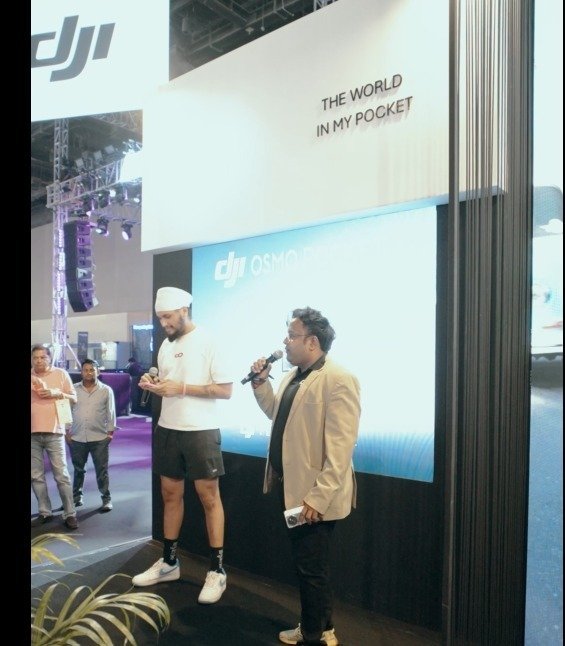
For the India arrival of the Osmo Pocket 4, DJI didn’t rent a stage. It walked into All You Can Fest, a homegrown lifestyle festival, and set up Pocket Playground — a three-day space where creators didn’t watch a demo, they made things.
The insight underneath is almost uncomfortably simple: explaining a creator tool to creators is the least persuasive thing you can do with it. Creators are a professionally skeptical audience. They’ve sat through the reveals. They know a scripted hero film when they see one. What they haven’t seen is their own footage — and that’s the only demo that survives contact with a skeptic.
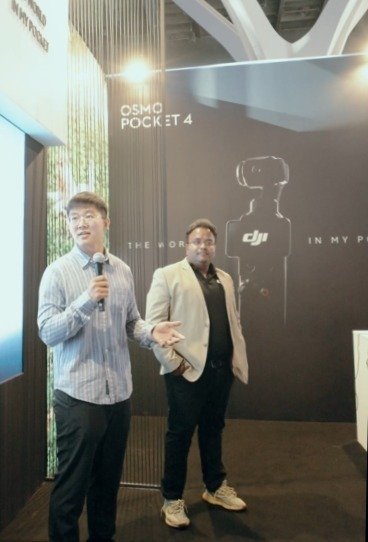
So DJI reframed the launch around a single line: made for creators is a design claim; proven by creators is a verdict. One you can assert. The other you have to earn, in public, in a room you don’t control
That’s why the venue mattered as much as the product. AYC’s whole premise is that discovery happens through people, not platforms — audiences filtering for what’s real over what’s loud. A trade-show booth would have fought that premise. A playground fed it. The crowd wasn’t an audience to be pitched; it was the proof mechanism
This is the part other brands should copy carefully. The move only works if you’re willing to lose control of the message — to let the output be genuinely the creator’s, not a branded template with your logo baked in. Belonging in that room means resisting the urge to broadcast.
And it’s not a one-off. DJI is extending this creator-first approach into more of India’s metro markets — the same wager, run city by city. The strategy isn’t an event. It’s a stance: stop describing the tool, and start handing it over.