


























Rental prices are rising steadily in cities like Pune, Indore, and Jaipur, changing how people choose where to live and work. The shift is influencing migration patterns, especially among students, young professionals, and families moving from smaller towns.
Rising rental prices in cities like Pune, Indore, and Jaipur are beginning to reshape migration patterns across India. This is a time sensitive development tied to post-pandemic recovery, job market shifts, and increased demand for housing in Tier-2 cities that were once considered more affordable alternatives to metros.
Why Rental Prices Are Increasing in Tier-2 Cities
The rise in rental prices in Tier-2 cities is driven by multiple factors. One of the biggest contributors is the influx of professionals and students returning to cities after remote work and online education phases declined. As offices reopen and colleges resume offline operations, demand for rental housing has surged.
Cities like Pune have long been education and IT hubs, attracting a steady flow of migrants. Indore and Jaipur are now seeing similar trends due to improving infrastructure, job opportunities, and quality of life.
At the same time, housing supply has not increased at the same pace as demand. Limited availability of affordable rental units in prime locations has pushed prices upward. Property owners are also adjusting rents to match market demand, further accelerating the trend.
Migration Patterns Shift Due to Rising Housing Costs
Rising rental prices are directly influencing migration patterns, particularly among middle-income groups. Many individuals who once preferred central locations are now moving to suburban or peripheral areas where rents are relatively lower.
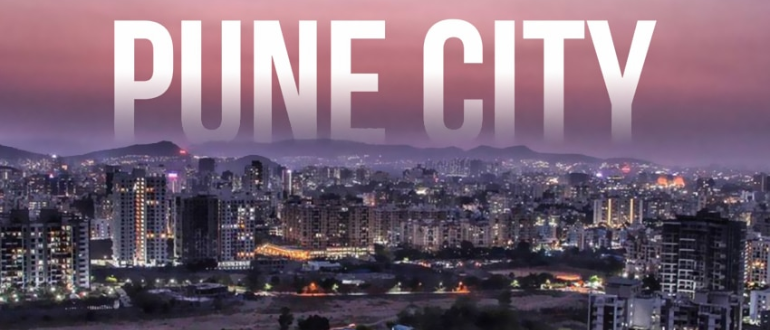
In Pune, for example, areas farther from IT corridors are seeing increased demand as tenants look for cost-effective options. Similar patterns are emerging in Indore and Jaipur, where outer zones are becoming more attractive for renters.
Some migrants are also reconsidering their choice of city altogether. Smaller towns and emerging urban centers are gaining attention as people weigh the cost of living against job opportunities. This shift indicates that affordability is becoming a key factor in migration decisions.
Impact on Students and Working Professionals
Students and young professionals are among the most affected by rising rental prices in Tier-2 cities. Educational hubs like Pune attract large student populations, many of whom rely on shared accommodations to manage costs.
With rents increasing, shared living arrangements are becoming more common. Paying guest accommodations and co-living spaces are also gaining popularity as alternatives to traditional rentals.
Working professionals, especially those in entry-level roles, are facing similar challenges. Higher rental expenses can significantly impact monthly budgets, forcing individuals to compromise on location, space, or amenities.
For families, the situation is slightly different. While they may have more stable incomes, rising rents still influence decisions related to relocation and long-term housing plans.
Real Estate Market and Investment Trends
The increase in rental prices is also affecting the real estate market in these cities. Higher rental yields are attracting property investors, who see an opportunity to benefit from strong demand.
Developers are responding by launching new residential projects, particularly in areas with growing infrastructure and connectivity. However, these projects take time to complete, which means short-term supply constraints may continue.
In cities like Indore and Jaipur, improved road networks, commercial developments, and urban planning initiatives are contributing to rising property values. This, in turn, impacts rental pricing across different segments.
The trend highlights how Tier-2 cities are evolving into major economic centers, attracting both residents and investors.
Long-Term Implications for Urban Growth
Rising rental prices and shifting migration patterns have broader implications for urban development. As more people move to peripheral areas, cities will need to expand infrastructure, including transport, utilities, and social services.
Urban planners may need to focus on balanced development to avoid overcrowding in central zones and underdevelopment in outer areas. Affordable housing initiatives could play a key role in maintaining accessibility for diverse income groups.
The trend also reflects a changing perception of Tier-2 cities. Once seen as secondary options, they are now competing with metros in terms of opportunities and lifestyle. However, maintaining affordability will be crucial to sustaining this growth.
Takeaways
• Rising rental prices in Pune, Indore, and Jaipur are driven by increased demand and limited supply
• Migration patterns are shifting towards suburban areas and alternative cities
• Students and young professionals are most affected by higher housing costs
• The trend is influencing real estate investment and urban development
FAQs
Why are rental prices increasing in Tier-2 cities
Increased demand from returning professionals and students, combined with limited housing supply, is driving up rents.
How are rising rents affecting migration patterns
People are moving to suburban areas or considering alternative cities with lower living costs.
Which groups are most impacted by higher rents
Students and young professionals face the greatest challenges due to limited budgets.
Will rental prices continue to rise in these cities
Prices may remain high in the short term due to demand, but long-term trends will depend on housing supply and economic conditions.