



























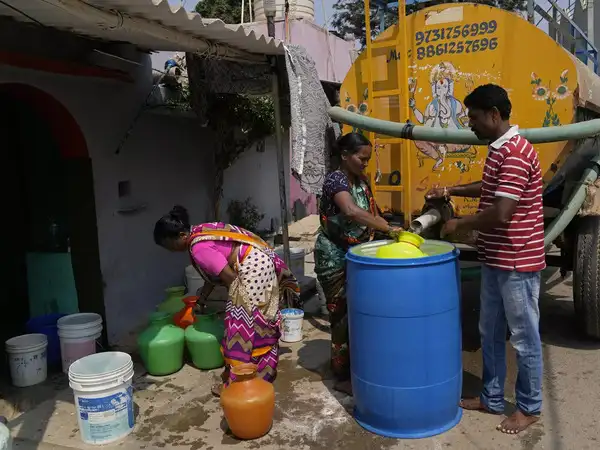
Pune, Bengaluru and Hyderabad are once again facing growing water supply pressure as summer demand rises across residential areas, tech hubs and expanding suburbs. Increasing temperatures, rapid urbanisation and uneven rainfall patterns are pushing city authorities to manage shortages through tanker supply, water cuts and conservation measures.
India’s major urban centres are entering another difficult summer season, with Pune, Bengaluru and Hyderabad witnessing increased stress on water resources. The issue is becoming more visible in newly developed residential zones, IT corridors and densely populated suburban regions where daily consumption has surged sharply over the past few years.
Water supply pressure is not entirely new for these cities, but experts say the scale of urban expansion and climate variability is making the challenge harder to manage each year. Authorities in all three cities have started reviewing reservoir levels, groundwater dependence and emergency supply systems as temperatures continue to rise across southern and western India.
Pune Water Supply Faces Pressure in Expanding Residential Zones
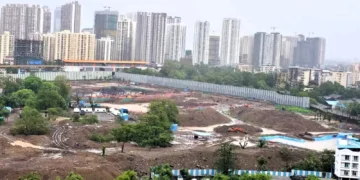
Pune’s water demand has grown rapidly due to large-scale housing expansion in areas such as Hinjawadi, Wagholi, Kharadi and Undri. The city depends heavily on reservoirs including Khadakwasla and Pavana for drinking water supply, but uneven rainfall and increasing consumption are creating seasonal pressure.
Many newly developed areas already rely partially on private water tankers, especially during peak summer months. Residents in outer zones have reported lower water pressure and irregular timings in some pockets. Civic authorities have also appealed to citizens to avoid unnecessary water usage for vehicle washing, gardening and construction activities.
The challenge in Pune is closely linked to population growth and infrastructure gaps. Several housing societies have emerged faster than long-term water distribution networks could expand. As a result, tanker dependency continues to increase during summer.
Bengaluru Water Crisis Concerns Continue Despite Rainfall Improvements
Bengaluru’s water concerns remain among the most discussed urban infrastructure issues in India. The city depends heavily on Cauvery water supply while groundwater extraction has risen significantly in peripheral areas.
Local reports over recent months have highlighted falling groundwater levels in some regions, particularly in fast-growing tech corridors and apartment clusters. Areas outside the central water grid often depend on borewells and tanker operators to meet daily requirements.
Although pre-monsoon showers brought temporary relief to parts of Bengaluru, experts say the city still faces structural challenges. Rapid construction activity, lake encroachment and high water consumption patterns continue to place pressure on supply systems.
The Bengaluru Water Supply and Sewerage Board has repeatedly encouraged rainwater harvesting and wastewater recycling to reduce long-term stress. Many apartment complexes are now adopting treated water reuse systems for gardening and maintenance work.
Hyderabad Balances Urban Growth With Water Demand
Hyderabad has managed urban water distribution relatively better compared to some other metros in recent years, but rising summer demand is creating fresh pressure on supply planning. Areas witnessing rapid residential growth are seeing increased dependence on supplementary tanker services.
The city receives water from multiple reservoirs and projects, including Krishna and Godavari-linked supply systems. However, continued population growth and commercial expansion are steadily increasing daily consumption levels.
Experts point out that Hyderabad’s challenge is not only about water availability but also about maintaining consistent distribution across old and newly developed regions. As urban sprawl expands further toward outer municipal zones, infrastructure upgrades are becoming essential.
Authorities have also intensified monitoring against illegal groundwater extraction and unauthorized tanker operations in certain areas. Conservation campaigns encouraging responsible usage are being promoted across schools, residential societies and offices.
Why Indian Cities Are Facing Repeated Water Supply Stress
The water supply issue across Indian cities is being driven by several connected factors. Rising temperatures increase household consumption while irregular rainfall patterns affect reservoir storage levels. Rapid urbanisation further adds pressure on already stretched civic infrastructure.
Tier-1 cities like Pune, Bengaluru and Hyderabad are also attracting migration from smaller towns due to employment opportunities, especially in the IT and services sectors. This increases demand for housing, commercial complexes and daily utilities.
Another major concern is groundwater depletion. Excessive borewell dependence in expanding suburban areas is lowering water tables in many regions. Experts believe long-term urban planning, lake restoration and water recycling systems will become critical for future sustainability.
Climate experts have also warned that Indian cities may increasingly face cycles of intense rainfall followed by prolonged dry periods. This makes efficient water storage and distribution management even more important.
Smart Water Management May Become Essential for Urban India
Urban planners increasingly believe that future city development must include stronger water sustainability planning from the beginning. Rainwater harvesting, wastewater treatment, smart metering and leak detection systems are becoming essential rather than optional.
Several residential societies in Pune, Bengaluru and Hyderabad have already started investing in water-saving infrastructure. Commercial offices and IT parks are also adopting recycling mechanisms to reduce freshwater dependence.
The coming monsoon season will play an important role in easing immediate pressure. However, experts say long-term solutions will require coordinated action between civic bodies, builders, industries and residents.
Key Takeaways
- Pune, Bengaluru and Hyderabad are facing growing summer water supply pressure
- Rapid urbanisation and rising temperatures are increasing daily water demand
- Tanker dependence and groundwater usage are rising in expanding suburbs
- Experts say rainwater harvesting and recycling will become critical long-term solutions
FAQs
Why are Pune, Bengaluru and Hyderabad facing water shortages?
These cities are experiencing rising demand due to population growth, urban expansion, high temperatures and increasing pressure on groundwater and reservoir systems.
Which areas are most affected by water supply pressure?
Fast-growing suburban and IT corridor regions often face the highest pressure because infrastructure expansion has not always matched housing growth.
Is climate change affecting urban water supply in India?
Yes. Irregular rainfall patterns, heatwaves and changing monsoon behaviour are making water management more difficult for Indian cities.
What solutions are being suggested for future water management?
Experts recommend rainwater harvesting, wastewater recycling, smart water infrastructure, lake restoration and stricter groundwater regulation.