






























India’s electric vehicle ecosystem is witnessing a major transformation in 2026 as Mumbai, Bengaluru, and Hyderabad strengthen their electric mobility infrastructure. The focus is shifting beyond vehicle sales toward charging networks, battery support systems, public transport electrification, and smart urban mobility solutions.
Electric Mobility Infrastructure Becomes a Priority in 2026
Electric mobility infrastructure has emerged as a key focus area for major Indian cities in 2026. While electric vehicle adoption has steadily increased over the last few years, experts have often pointed to charging availability and supporting infrastructure as critical challenges.
Mumbai, Bengaluru, and Hyderabad are now seeing fresh investments and policy support aimed at expanding charging stations, improving power distribution for EV charging, and encouraging private participation in the ecosystem. These efforts are designed to make electric vehicle ownership more practical for everyday commuters while supporting India’s broader clean mobility goals.
The development comes as both central and state governments continue promoting electric transportation as part of efforts to reduce urban pollution and dependence on fossil fuels.
Mumbai Expands Public and Private Charging Networks
Mumbai has witnessed growing demand for electric cars, scooters, and commercial vehicles. One of the city’s biggest challenges has been the availability of charging infrastructure in residential and commercial areas.
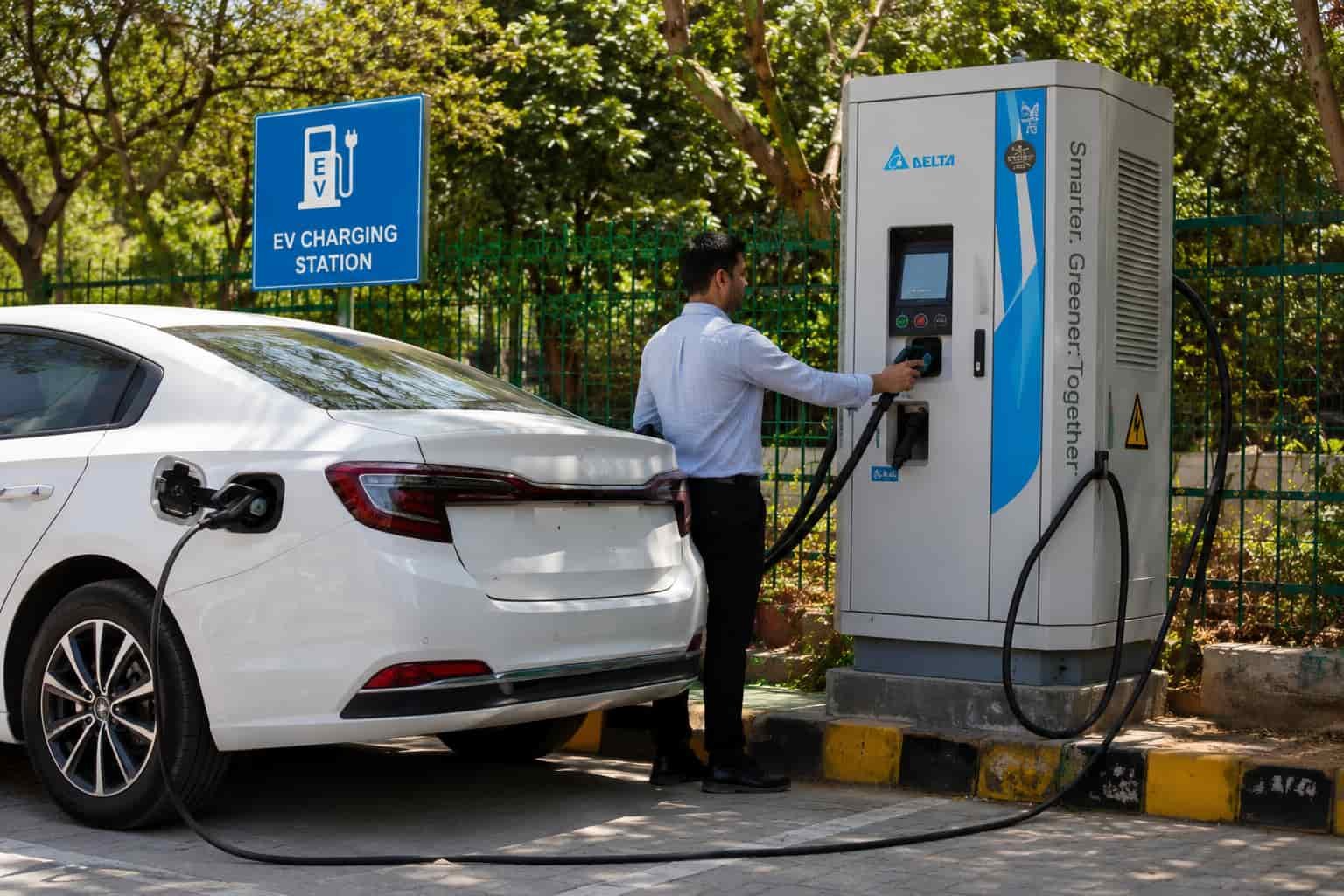
Authorities and private operators have increasingly focused on installing charging stations at parking facilities, shopping centers, office complexes, and transit hubs. Public transport agencies are also exploring greater integration of electric buses into the city’s transport network.
The expansion of charging facilities is particularly important for Mumbai because many residents live in apartment complexes where personal charging setups may not always be feasible. Shared charging infrastructure can help bridge this gap and encourage wider EV adoption.
Industry observers note that improved charging accessibility could significantly influence consumer confidence in electric vehicles across the Mumbai metropolitan region.
Bengaluru Strengthens Its EV-Friendly Ecosystem
Bengaluru has long been regarded as one of India’s leading technology and innovation hubs, and the city continues to play a major role in electric mobility development.
The city already hosts numerous EV startups, battery technology companies, and charging infrastructure providers. In 2026, efforts are being directed toward expanding fast-charging corridors, supporting fleet electrification, and integrating EV infrastructure into urban planning initiatives.
Ride-hailing services, delivery platforms, and logistics operators have also shown increasing interest in electric fleets. This shift is creating demand for reliable charging facilities that can support high vehicle utilization rates.
Bengaluru’s growing ecosystem demonstrates how technology-driven cities can become testing grounds for innovative mobility solutions, including smart charging management, connected infrastructure, and energy-efficient transportation systems.
Hyderabad Focuses on Future-Ready Mobility Solutions
Hyderabad has emerged as another important center for electric mobility growth. The city has attracted investments from EV manufacturers, battery companies, and mobility technology firms in recent years.
Infrastructure expansion efforts in Hyderabad include charging station deployment, support for electric public transportation, and partnerships between government agencies and private operators. The city’s emphasis on technology and industrial development makes it an attractive destination for EV-related investments.
Hyderabad’s strategy reflects a broader trend seen across India, where cities are attempting to build complete mobility ecosystems rather than focusing solely on vehicle adoption. This approach includes charging infrastructure, energy management systems, battery services, and digital platforms that support EV users.
As adoption increases, such integrated infrastructure models could help reduce range anxiety and improve the overall ownership experience.
Why Infrastructure Matters More Than Vehicle Sales
Electric vehicle sales often receive the most attention, but infrastructure remains the foundation of long-term growth. A strong charging network can directly influence consumer decisions, especially among first-time EV buyers.
Reliable infrastructure also benefits commercial operators who depend on predictable charging access for daily operations. Fleet operators, delivery companies, and public transport agencies require efficient charging systems to maximize vehicle uptime.
Experts believe that cities investing early in infrastructure development may experience faster EV adoption rates compared to regions where charging availability remains limited.
The ongoing developments in Mumbai, Bengaluru, and Hyderabad highlight how urban centers are preparing for a future where electric mobility becomes a mainstream transportation option rather than a niche alternative.
What It Means for India’s EV Future
The renewed focus on electric mobility infrastructure in 2026 signals a maturing EV ecosystem across India. Rather than concentrating solely on incentives for vehicle purchases, policymakers and industry stakeholders are increasingly addressing the supporting infrastructure needed for sustainable growth.
Mumbai, Bengaluru, and Hyderabad are setting examples for other metropolitan regions by investing in charging networks, public transport electrification, and technology-driven mobility solutions. Their progress could influence infrastructure planning in several Tier-2 and Tier-3 cities that are beginning their own electric mobility journeys.
As infrastructure expands and technology improves, electric vehicles are likely to become a more practical and attractive option for Indian consumers in the years ahead.
Key Takeaways
• Mumbai is expanding charging facilities across public and private locations to support growing EV adoption.
• Bengaluru continues strengthening its position as a leading hub for EV innovation and charging infrastructure.
• Hyderabad is attracting investments focused on integrated electric mobility ecosystems.
• Improved infrastructure is expected to play a crucial role in accelerating electric vehicle adoption across India.
FAQ
Why are Mumbai, Bengaluru, and Hyderabad focusing on EV infrastructure in 2026?
These cities are experiencing growing electric vehicle adoption and require stronger charging networks and supporting infrastructure to meet future demand.
What is the biggest challenge for electric vehicle adoption?
Limited charging availability and range anxiety remain significant concerns for many potential EV buyers.
How does charging infrastructure help EV growth?
Accessible and reliable charging stations make electric vehicles more convenient to use and increase consumer confidence.
Can Tier-2 cities benefit from these developments?
Yes. Infrastructure models being implemented in major cities can serve as templates for emerging EV markets in smaller cities across India.
(Electric Mobility Infrastructure India, Mumbai EV Charging Stations, Bengaluru EV Ecosystem, Hyderabad Electric Mobility, EV Infrastructure 2026, Electric Vehicle Adoption India, EV Charging Network, Smart Mobility Solutions, Urban EV Development, India EV Market)