


























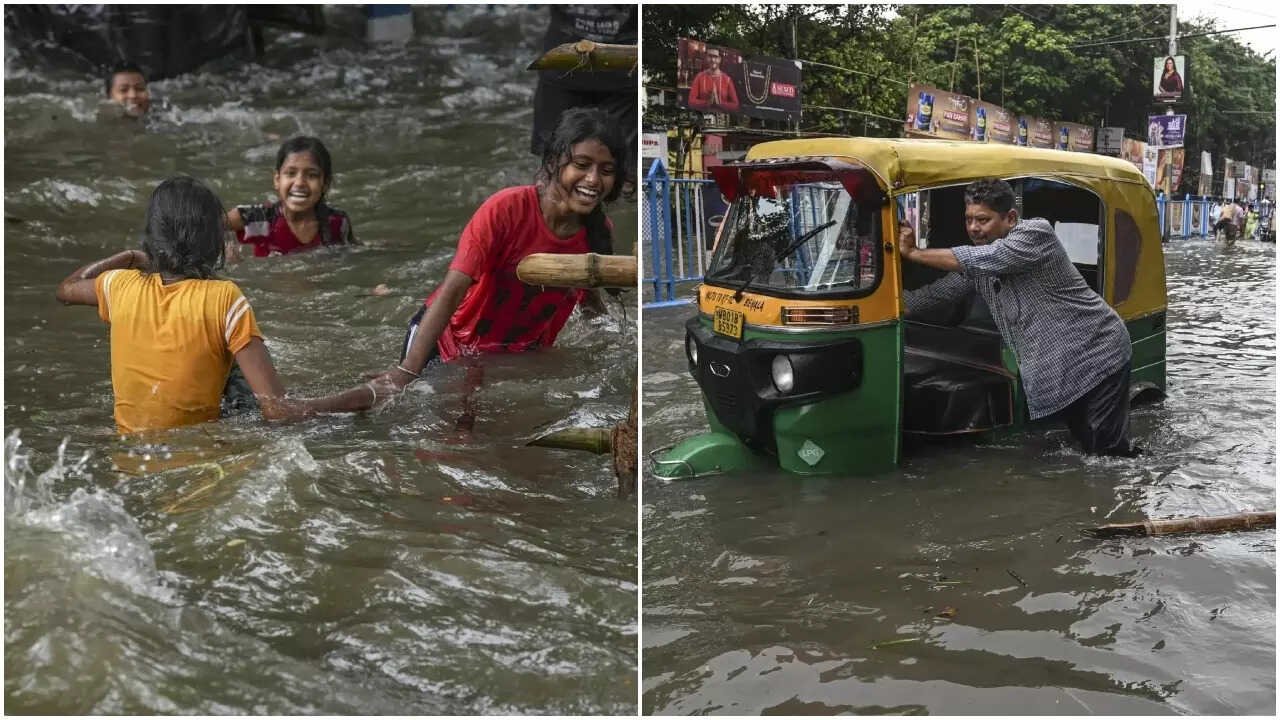
Heavy rain and waterlogging in Kolkata have once again drawn attention to the growing vulnerability of Indian cities to extreme weather events. As intense rainfall disrupts transport and daily life, metro cities across India are accelerating efforts to strengthen urban infrastructure and climate resilience.
The latest spell of rain in Kolkata has become part of a larger national conversation about flooding, drainage systems, urban planning, and preparedness for increasingly unpredictable weather patterns linked to climate change.
Heavy Rain Causes Waterlogging Across Parts of Kolkata
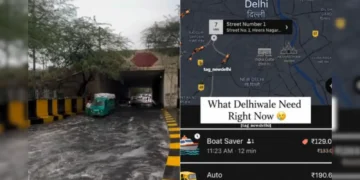
Kolkata waterlogging became a major concern after heavy rainfall affected several parts of the city, leading to traffic congestion, slower public transport movement, and disruption of routine activities. Water accumulation on roads is a recurring challenge during the monsoon season, particularly in low-lying areas where drainage systems face pressure during intense rainfall events.
Urban flooding occurs when rainfall exceeds the capacity of drainage infrastructure to remove water efficiently. In densely populated cities, large stretches of paved surfaces reduce natural water absorption, causing rainwater to accumulate rapidly.
Municipal authorities typically deploy pumps, emergency response teams, and drainage maintenance crews during such weather events. However, experts note that the intensity and frequency of extreme rainfall episodes are increasing in many urban regions, making traditional flood management approaches less effective.
The situation in Kolkata reflects challenges that are being experienced in several other Indian metropolitan areas during the monsoon season.
Why Extreme Weather Events Are Becoming More Common
Climate scientists have repeatedly observed an increase in extreme weather events across different parts of India. While monsoon rainfall remains a critical part of the country’s climate system, rainfall patterns are becoming more erratic.
Instead of moderate rain spread over several days, many cities are witnessing short-duration but high-intensity rainfall. Such events place enormous pressure on urban infrastructure because drainage systems are often designed using historical rainfall patterns rather than future climate projections.
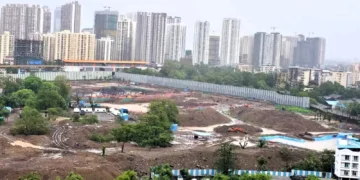
Rapid urbanization further compounds the issue. Wetlands, open spaces, lakes, and natural drainage channels that once absorbed excess rainwater have gradually been reduced in many cities due to expanding development.
Research from national and international climate agencies indicates that warming temperatures can increase atmospheric moisture levels, creating conditions for heavier rainfall events. As a result, urban flooding is becoming an increasingly important policy and planning challenge.
How Metro Cities Are Strengthening Climate Resilience
Several Indian metro cities have started investing in climate adaptation measures to reduce the impact of flooding and extreme weather.
Mumbai has expanded stormwater drainage upgrades and flood management projects following repeated monsoon-related disruptions. Chennai has focused on restoring water bodies and improving flood mitigation infrastructure after experiencing severe flooding episodes in previous years.
Bengaluru has introduced initiatives aimed at protecting lakes, improving stormwater drains, and monitoring urban flood-prone zones. Delhi has also undertaken drainage improvement projects while expanding weather forecasting and emergency response capabilities.
Urban planners increasingly emphasize the importance of climate-resilient infrastructure. This includes flood-resistant roads, better drainage networks, rainwater harvesting systems, green spaces, and improved land-use planning.
Many cities are also using advanced forecasting technologies and real-time monitoring systems to improve preparedness before severe weather events occur.
Smart Technology and Early Warning Systems Gain Importance
One of the most significant changes in urban disaster management is the growing use of technology.
Modern weather forecasting tools allow authorities to monitor rainfall patterns, predict flood risks, and issue alerts to residents more quickly than before. Satellite imagery, automated weather stations, and data analytics are becoming important tools in urban planning and emergency management.
Several cities have developed integrated command and control centers capable of monitoring rainfall, traffic movement, water levels, and emergency response operations simultaneously.
Mobile applications and social media platforms are also being used to disseminate weather alerts and safety information. These systems help residents make informed decisions during severe weather events.
Experts believe that technology alone cannot eliminate flooding, but it can significantly reduce risks by improving response times and supporting better decision-making.
The Need for Long-Term Urban Planning
While emergency measures are important, experts argue that long-term urban planning remains the most effective solution.
Flood management requires a combination of infrastructure upgrades, environmental conservation, and sustainable development practices. Preserving wetlands, maintaining natural drainage systems, and preventing encroachment on flood-prone areas are critical components of urban resilience.
Cities must also account for future climate risks when designing roads, housing projects, transportation networks, and public infrastructure. Planning based solely on historical weather patterns may no longer be sufficient.
The recent waterlogging in Kolkata serves as a reminder that climate adaptation is no longer a future concern. It is an immediate challenge affecting millions of urban residents across India. As weather patterns continue to evolve, preparedness and resilience will play a central role in safeguarding cities against increasingly extreme conditions.
Takeaways
- Heavy rainfall caused waterlogging in parts of Kolkata, disrupting daily life and transportation.
- Extreme weather events are becoming more frequent due to changing climate patterns and urbanization.
- Indian metro cities are investing in drainage upgrades, flood management, and climate-resilient infrastructure.
- Technology, early warning systems, and long-term urban planning are essential for reducing future risks.
FAQ
Why does waterlogging occur in cities during heavy rainfall?
Waterlogging occurs when rainfall exceeds the capacity of drainage systems and water cannot be removed quickly enough from roads and public spaces.
Are extreme rainfall events increasing in India?
Climate studies indicate that many regions are experiencing more frequent high-intensity rainfall events and changing precipitation patterns.
What measures are cities taking to reduce urban flooding?
Cities are improving drainage networks, restoring water bodies, implementing flood management projects, and using advanced forecasting technologies.
How can urban planning help address flooding?
Sustainable urban planning can preserve natural drainage systems, protect wetlands, improve infrastructure design, and reduce flood risks over the long term.
(Kolkata waterlogging, heavy rainfall Kolkata, urban flooding India, extreme weather events, climate resilience, metro city flood preparedness, monsoon flooding, climate change India)