























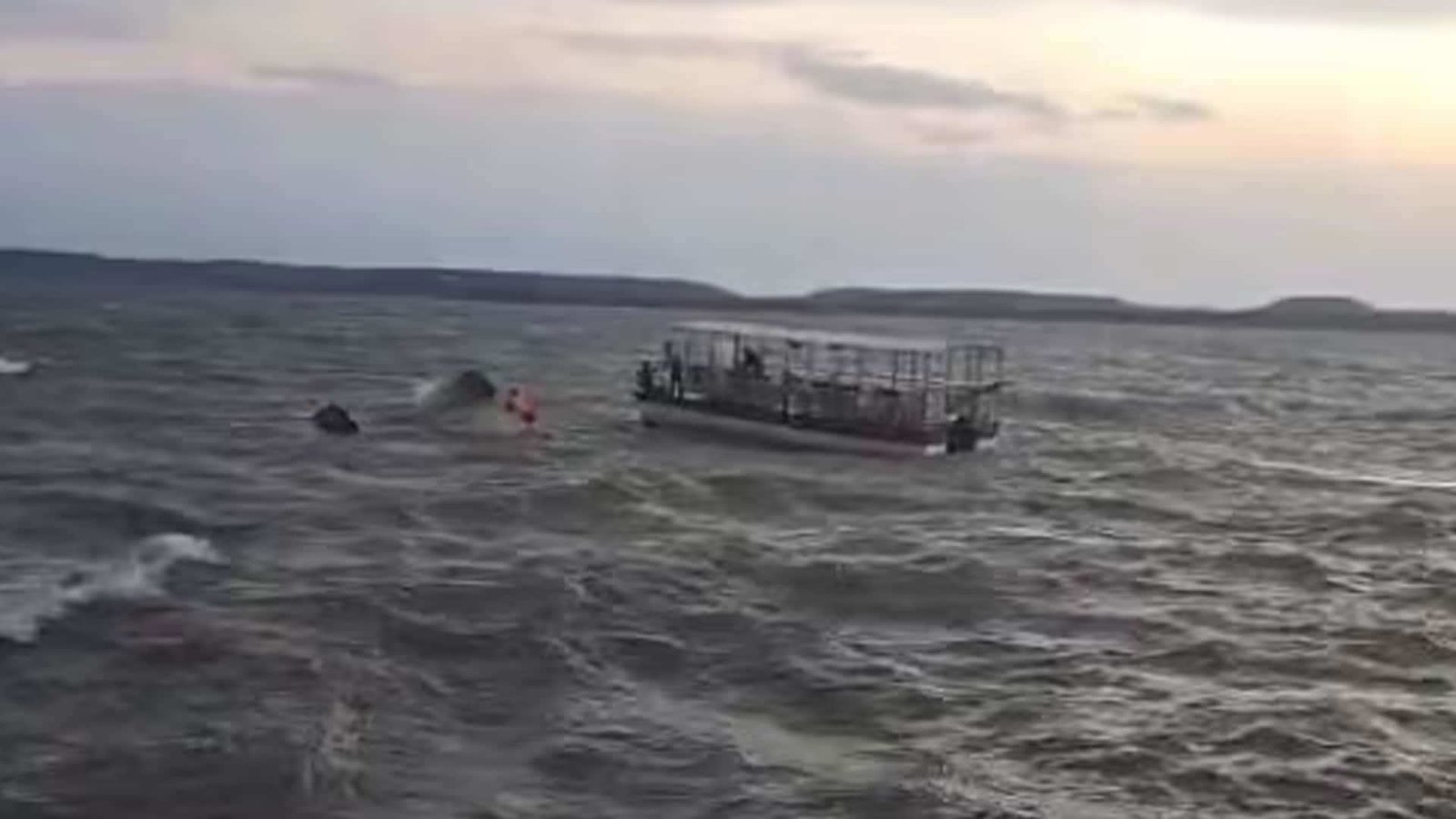
The Jabalpur district administration has officially flagged a viral social media image depicting a mother and child during a boat tragedy at Bargi Dam as fake. Authorities confirmed the image is likely AI-generated, urging citizens to stop spreading misinformation that causes public panic.
Digital Misinformation Clouds the Bargi Dam Incident
In the wake of recent safety concerns at Bargi Dam, a haunting image began circulating across WhatsApp groups and X (formerly Twitter). The picture shows a woman desperately holding a child as a boat capsizes in turbulent waters, purportedly at the famous reservoir in Jabalpur. While the visual triggered an emotional response from thousands of users, the Jabalpur district administration quickly intervened to clarify the facts. Upon closer inspection by digital forensics teams, the image was found to have several hallmarks of artificial intelligence generation, including distorted limb features and inconsistent lighting patterns that do not match the geographical layout of the Bargi reservoir.
Administration Warns Against AI Generated Panic
The Collector and the Superintendent of Police in Jabalpur issued a joint statement emphasizing that no such specific tragedy occurred on the date the photo went viral. While the dam remains a site of high activity, the “Mother-Child” visual is a fabrication designed to gain engagement through emotional manipulation. Local authorities have noted a rising trend of AI-generated content being used to simulate local disasters. This particular instance of Bargi Dam misinformation is being treated seriously, with the cyber cell tracking the original upload sources to prevent further communal anxiety or unnecessary fear among tourists and locals.
How to Spot AI Generated News Images
As deepfake technology becomes more accessible, distinguishing between real news photography and synthetic media is becoming a critical skill for news consumers. In the Bargi Dam case, the lack of a specific source or a credited photojournalist was the first red flag. Real news events in Tier-2 cities like Jabalpur are typically covered by local reporters who provide multiple angles of an incident. AI images often struggle with intricate details like the number of fingers on a hand, the texture of water splashes, and the text on signboards. Authorities have urged residents to verify any “breaking news” visuals through official government social media handles or trusted local news portals before hitting the share button.
Impact of Fake News on Local Tourism
Bargi Dam is a major hub for cruise rides and water sports in Madhya Pradesh. The circulation of the fake boat tragedy photo has a direct negative impact on local livelihoods and the tourism economy. When fabricated images suggesting safety failures go viral, it leads to immediate cancellations and a tarnished reputation for the Jabalpur tourism circuit. The administration has reassured the public that safety protocols at the dam are strictly monitored and that the viral image bears no resemblance to the actual safety gear or boat types authorized to operate within the reservoir area.
Legal Consequences for Spreading Misinformation
Under the Information Technology Act and relevant sections of the Bharatiya Nyaya Sanhita, the creation and deliberate circulation of fake news that disturbs public order is a punishable offense. The Jabalpur police have already initiated a probe into several social media accounts that shared the image with sensationalist captions. Digital news editors and influencers are being reminded of their responsibility to fact-check content. In an era where a single synthetic image can trigger widespread alarm, the administration’s proactive stance serves as a reminder that digital footprints are permanent and accountability is inevitable for those fueling the fake news ecosystem.
Key Takeaways for Readers
- The viral photo of a mother and child in a boat accident at Bargi Dam is confirmed to be a fake, AI-generated image.
- Jabalpur authorities have stated that no such drowning incident occurred at the reservoir during the timeframe claimed by social media posts.
- The Cyber Cell is currently monitoring social media platforms to identify and penalize those responsible for creating and spreading the fabricated visual.
- Public safety at Bargi Dam remains a priority, and tourists are encouraged to rely only on official reports regarding site conditions and safety measures.
Frequently Asked Questions
Is it safe to visit Bargi Dam for boating right now? Yes, it is perfectly safe. The viral image of the boat tragedy was a digital fabrication and does not reflect the current reality at the site. All authorized boating activities are following standard safety government protocols.
What should I do if I receive the fake Bargi Dam photo on WhatsApp? Do not forward the message. Inform the sender that the image has been debunked by the Jabalpur administration and report the content if it is being used to spread fear in public groups.
Why did people believe the image was real? The image used high-quality AI rendering to evoke a strong emotional response. Without immediate fact-checking, many users shared it out of genuine concern, highlighting how easily digital misinformation can bypass critical thinking through emotional triggers.