




























Smart infrastructure projects are reshaping urban life in Delhi, Mumbai, Bengaluru, and Hyderabad. From intelligent traffic systems and metro expansion to digital governance and sustainable utilities, these developments are improving mobility, public services, and quality of life for millions of residents.
Smart infrastructure projects are becoming a defining feature of urban development in Delhi, Mumbai, Bengaluru, and Hyderabad. As India’s largest cities face growing populations, traffic congestion, pollution, and pressure on public services, governments and urban agencies are increasingly turning to technology-driven solutions. These projects aim to improve transportation, utility management, public safety, and citizen services while making cities more efficient and sustainable.
Over the past decade, investments in metro networks, intelligent traffic management systems, digital governance platforms, and smart utility monitoring have accelerated. While challenges remain, these initiatives are gradually changing how people live, work, and move through India’s urban centers.
Metro Expansion and Urban Mobility Improvements
One of the most visible examples of smart infrastructure is the rapid expansion of metro rail networks. Delhi Metro continues to serve as a benchmark for urban public transportation, carrying millions of passengers and reducing dependence on private vehicles.
Mumbai has expanded its metro corridors significantly in recent years, providing alternatives to overcrowded suburban rail networks. Bengaluru’s Namma Metro is extending its reach across key residential and commercial zones, while Hyderabad Metro remains one of India’s largest public-private metro projects.
These transportation systems are supported by smart ticketing solutions, mobile applications, real-time train information, and integrated transit planning. Improved connectivity helps reduce travel time, lowers fuel consumption, and contributes to lower traffic congestion in densely populated urban areas.
Intelligent Traffic Management and Digital Mobility
Traffic remains one of the biggest challenges in India’s metropolitan cities. To address this issue, smart traffic management systems are being deployed across major urban centers.
Delhi, Bengaluru, Mumbai, and Hyderabad have increasingly adopted adaptive traffic signals, automated monitoring systems, surveillance cameras, and integrated traffic control centers. These technologies collect real-time traffic data and help authorities manage congestion more effectively.
Navigation applications also benefit from city-wide data integration, allowing commuters to receive updated route information. In some areas, artificial intelligence and analytics are being used to optimize signal timing based on vehicle flow patterns.
The result is more efficient road usage and better coordination between traffic police, municipal authorities, and emergency services.
Smart Governance and Citizen Services
Digital governance has become another important pillar of smart city development. Municipal administrations are increasingly using online platforms to deliver public services and improve citizen engagement.
Residents can now access services such as property tax payments, grievance registration, utility bill management, and permit applications through digital portals and mobile applications. This reduces paperwork and improves administrative efficiency.
Several city administrations have also established integrated command and control centers. These facilities monitor urban systems such as transportation, waste management, water supply, and public safety from a centralized location.
The use of digital governance tools helps authorities respond more quickly to operational issues while making government services more accessible to citizens.
Smart Utilities and Sustainable Urban Development
Smart infrastructure extends beyond transportation and governance. Utility management systems are also undergoing significant modernization.
Many urban projects now incorporate smart water meters, automated electricity monitoring, energy-efficient street lighting, and digital waste management systems. These technologies help reduce resource wastage and improve service reliability.
In Hyderabad and Bengaluru, efforts to strengthen water management and urban sustainability have gained importance due to population growth and environmental concerns. Mumbai and Delhi are similarly investing in infrastructure that supports long-term resilience.
Energy-efficient LED streetlights, sensor-based monitoring, and renewable energy integration are increasingly being used to lower operating costs while supporting environmental goals.
Public Safety and Urban Resilience
Smart city initiatives are also focused on enhancing public safety. Surveillance networks, emergency response systems, disaster monitoring tools, and integrated communication platforms are being deployed across several cities.
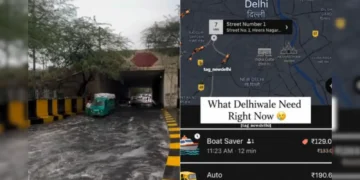
Real-time monitoring can help authorities respond more quickly to accidents, extreme weather events, and public emergencies. During periods of heavy rainfall, for example, digital monitoring systems can assist in tracking waterlogging hotspots and traffic disruptions.
Urban resilience has become especially important as cities face climate-related challenges such as flooding, heat waves, and pressure on public infrastructure. Smart technologies provide authorities with better data to support planning and emergency preparedness.
While technology alone cannot solve every urban challenge, it can strengthen decision-making and improve response capabilities.
Challenges and the Road Ahead
Despite notable progress, smart infrastructure projects continue to face several challenges. Funding requirements, project delays, coordination between agencies, and maintenance demands can affect implementation timelines.
There are also concerns related to data privacy, cybersecurity, and equitable access to digital services. Urban planners must ensure that technological advancements benefit all sections of society, including residents with limited digital access.
Nevertheless, the direction of urban development is clear. Smart infrastructure is becoming an essential component of India’s growth strategy as cities seek to improve efficiency, sustainability, and quality of life.
As Delhi, Mumbai, Bengaluru, and Hyderabad continue investing in intelligent urban systems, their experiences may serve as models for emerging cities across the country.
Key Takeaways
• Smart infrastructure projects are improving transportation, governance, and utility services in major Indian cities.
• Metro expansion and intelligent traffic management systems are helping reduce congestion and improve mobility.
• Digital governance platforms are making public services more accessible and efficient.
• Sustainable utility management and public safety technologies are supporting long-term urban resilience.
FAQ
Q1: What is smart infrastructure?
Smart infrastructure refers to the use of technology, data, and digital systems to improve transportation, utilities, governance, and public services in urban areas.
Q2: Which Indian cities are leading smart infrastructure development?
Delhi, Mumbai, Bengaluru, and Hyderabad are among the leading cities implementing large-scale smart infrastructure and smart city initiatives.
Q3: How do smart traffic systems help cities?
They use real-time data, sensors, cameras, and analytics to optimize traffic flow, reduce congestion, and improve road safety.
Q4: What are the benefits of smart city projects?
Benefits include better mobility, improved public services, efficient resource management, enhanced public safety, and greater urban sustainability.
(Keyword Suggestions: smart infrastructure India, smart city projects, Delhi smart city, Mumbai metro expansion, Bengaluru infrastructure, Hyderabad smart city, urban development India, intelligent traffic management, digital governance India, sustainable urban infrastructure)