

























India’s viral moments often emerge from ordinary places such as railway stations, local markets and public transport. In August 2026, several unusual videos involving trains, commuters and everyday public life have attracted online attention, showing how quickly ordinary incidents can become nationwide social media conversations.
Why Everyday India Keeps Producing Viral Moments
Some of the most widely shared Indian viral videos do not involve celebrities or major events. They happen during ordinary commutes, shopping trips and daily interactions.
Railway platforms are particularly common settings for such clips because they bring together large numbers of people, unpredictable situations and cameras that are almost always within reach.
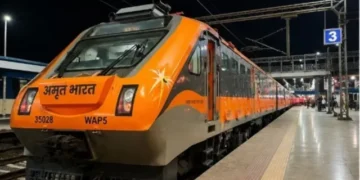
A recent example came from Haridwar, where a 10-foot python was found on railway tracks beneath a Vande Bharat Express at the station’s washing line. The unusual sight reportedly caused alarm among railway staff and quickly became a news story.
Another recent railway-related incident in Mumbai involved a person climbing onto the roof of a local train at Vikhroli. Railway authorities cut the overhead electrical supply to ensure the person’s safety, temporarily disrupting services.
These incidents show why railway content regularly attracts attention online. The locations are familiar to millions of Indians, while the circumstances are anything but routine.
Mumbai Local Trains Remain A Viral Content Magnet
Mumbai’s suburban railway network has long been associated with unusual and spontaneous moments.
One recent video showed a hawk calmly sitting on a passenger’s head inside a Mumbai local train travelling on the CSMT-Kalyan route. The unexpected sight was recorded by another passenger and subsequently circulated on social media.
The clip stood out because of its unusual combination of India’s crowded public transport environment and an unexpected encounter with wildlife.
Such videos often gain traction because viewers can immediately understand the setting. A Mumbai local train is familiar to millions of commuters, so seeing something completely unexpected inside one naturally creates curiosity.
However, viral content can also encourage people to overlook important context. A short clip may show only a few seconds of an incident without explaining how it began or what happened afterward.
Viral Railway Videos Can Also Raise Safety Questions
Not every viral railway video is simply funny or surprising.
In August, an old video resurfaced showing a woman running alongside a departing Vande Bharat Express and pleading with the loco pilot to stop. The train reportedly slowed down, prompting debate online about compassion, punctuality and railway safety. India Today noted that the video was originally shared earlier and had gained renewed attention.
Earlier this month, another viral video showed a woman and her family allegedly filming a reel inside the loco pilot’s cabin of a Vande Bharat train. The footage triggered questions about access to restricted railway areas, and Railway Seva sought details of the incident.
These examples highlight an important distinction. A video becoming popular does not automatically make the behaviour shown in it acceptable.
Railway infrastructure involves moving trains, electrical systems and restricted operational areas. Content creators looking for viral footage can sometimes cross safety boundaries in the process.
When Viral Videos Become Public Debates
Social media has changed the way Indians respond to unusual public incidents.
A video can move from Instagram or X to news platforms within hours. Once news organisations report the clip, the conversation can reach audiences who never saw the original post.
A viral video involving a railway station may consequently become a discussion about public behaviour, safety or civic sense.
For example, a video filmed by a foreign tourist at an Indian railway station earlier this year showed a man sitting inside a waiting area marked for women. The footage triggered a debate about whether designated public spaces are properly respected and enforced.
The important point is that the viral moment was only the starting point. The larger discussion concerned how people use shared public infrastructure.
This pattern is increasingly common across India. A short video captures attention first, while the wider social issue becomes the subject of discussion afterward.
Local Markets Offer A Different Kind Of Viral Content
Railway stations are not the only places where unexpected videos emerge.
Local markets, roadside shops, food stalls and neighbourhood businesses are equally fertile ground for social media content. These locations reflect everyday Indian life and often provide situations that feel spontaneous rather than staged.
A vendor’s unusual selling technique, an unexpected customer interaction or an innovative way of solving a common problem can quickly become shareable content.
This is particularly relevant for audiences in Tier-2 and Tier-3 cities. People often engage strongly with videos that resemble their own surroundings rather than content centred exclusively on Mumbai, Delhi or Bengaluru.
The familiarity factor matters. A viewer may ignore a highly produced advertisement but immediately stop scrolling when they see something that looks like a scene from their own city or local market.
Why Relatable Content Travels Faster
India’s social media audience is extremely diverse, but relatability remains one of the strongest drivers of engagement.
A viral railway video works partly because millions of people have travelled by train. A market video works because almost everyone has visited a local bazaar, roadside shop or neighbourhood food stall.
This makes everyday incidents particularly valuable for digital publishers.
However, there is a responsibility attached to reporting such content. Viral footage should be checked for date, location and context before being presented as a current incident.
This is especially important because old videos can resurface with new captions. India Today, for example, has reported cases where previously recorded railway videos received renewed attention after being reshared online.
The Difference Between Viral And Verified
Virality and verification are two different things.
A video can receive millions of views without providing reliable information about what happened. Captions added by social media users may contain assumptions, jokes or completely incorrect claims.
That is why publishers should identify the original uploader where possible, establish when the footage was recorded and verify the location before describing an incident as recent.
This approach is particularly important for news websites covering viral content. The objective should not simply be to reproduce whatever is trending. It should be to explain why the content is attracting attention while clearly separating confirmed information from online speculation.
That distinction becomes even more important when viral footage involves crime, accidents, health claims or allegations against identifiable people.
Why India’s Viral Culture Will Keep Growing
Smartphone cameras and affordable mobile internet have turned ordinary people into constant observers and content creators.
A commuter can record an unusual moment on a train. A shopper can capture something unexpected at a market. A passer-by can document an unusual public incident. Within minutes, that footage can reach audiences far beyond the location where it was recorded.
For Tier-2 and Tier-3 India, this has created a particularly interesting digital ecosystem. Local incidents that might once have remained limited to neighbourhood conversations can now reach national audiences.
The challenge for news platforms is to retain the entertainment value of these stories without sacrificing accuracy.
The most useful viral-news articles therefore do more than say a video is trending. They explain what the footage shows, what is confirmed, what remains unclear and why people are discussing it.
Key Takeaways
- Railway stations and public transport remain major sources of unexpected viral content in India.
- Recent videos involving a python at Haridwar station and unusual incidents on Mumbai local trains attracted attention online.
- Viral videos can raise wider questions about railway safety, civic behaviour and responsible social media use.
- Old or context-free videos should be verified before being presented as current news.
FAQs
Why do railway videos become viral so quickly in India?
Railway stations and trains are used by millions of people every day. Unexpected incidents in these familiar environments are easily relatable and can attract attention when recorded and shared online.
Are all viral videos on social media genuine?
No. A video may be genuine but have an incorrect caption, location or date. Some footage may also be edited or presented without important context. Verification is necessary before treating a viral claim as established fact.
Why are Tier-2 and Tier-3 audiences important for viral news?
People in smaller cities and towns frequently engage with content showing familiar places, local behaviour and everyday situations. Such stories can make national digital platforms more relevant to audiences outside major metropolitan areas.
How should readers verify a viral video?
Readers should check whether credible news organisations have independently reported the incident, look for the original upload, compare the reported date and location, and avoid relying solely on captions attached to social media posts.