






























India | Business, Fashion & E-Commerce — Special Feature
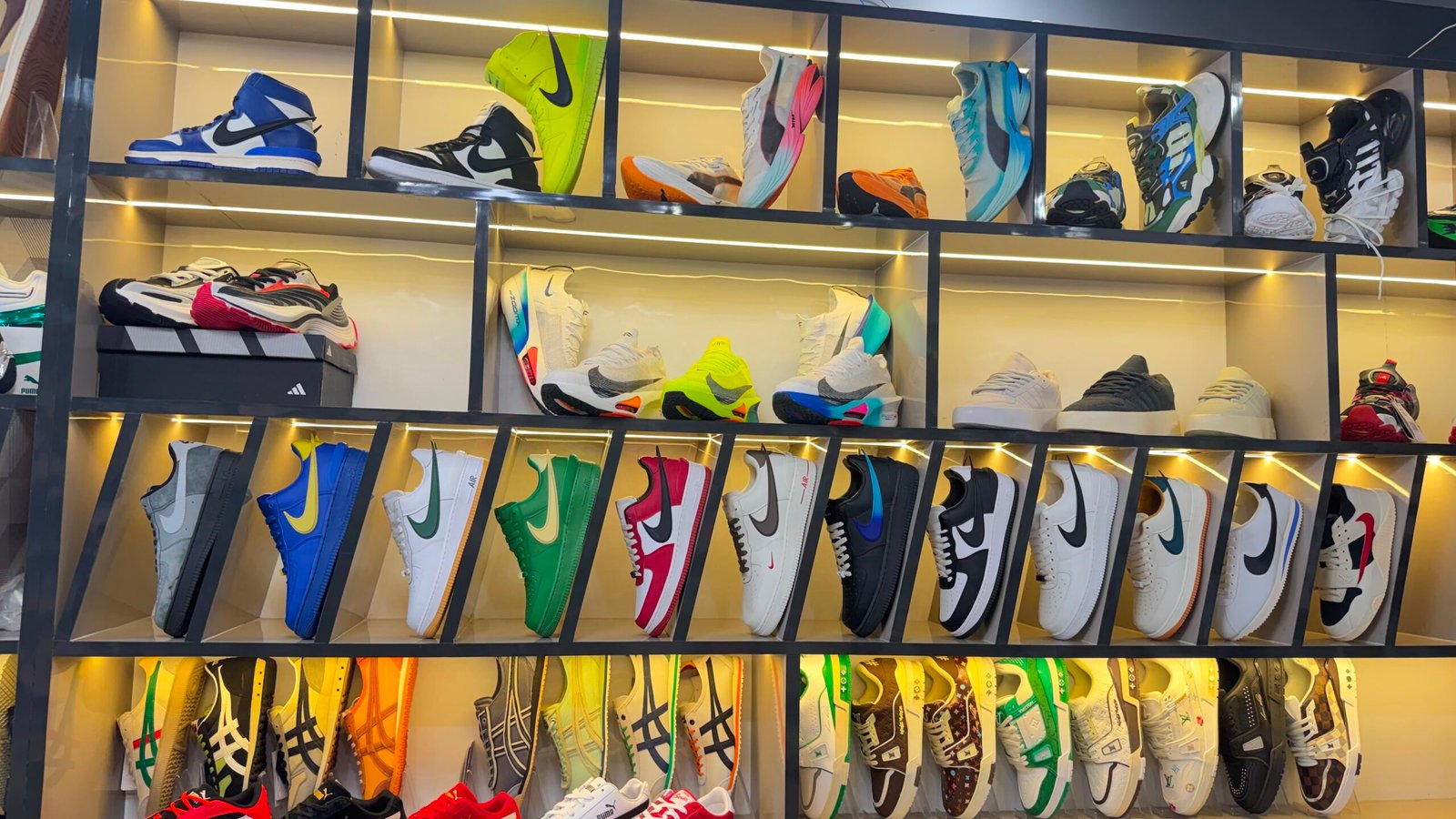
Every growing brand has an origin point, and for Swagger Hub, it was a fairly straightforward observation: Indian consumers wanted the same sneaker styles and streetwear influences they were seeing online, but had limited easy access to them locally. Founder Varun Kumar built the company in 2017 to bridge that gap, positioning it around premium sneakers and fashion accessories inspired by international trends at a time when few domestic players were focused squarely on that space.
In its early days, Swagger Hub focused on the basics that matter most in fashion retail — sourcing well, choosing carefully, and paying close attention to where global style was heading next rather than simply reacting after trends had already peaked. The company imported products from a range of countries and built its catalogue around pieces that reflected changing tastes rather than a fixed, unchanging inventory that risked feeling outdated within a year or two.
As e-commerce adoption grew across India, Swagger Hub leaned into the customer experience side of the business as much as the product side, treating order processing, delivery and support as core to the brand rather than an afterthought bolted on once the product side was working. That dual focus — on what was being sold and how it was being delivered — became a defining part of how the company operated as it scaled.
Today, the company says that approach has translated into more than a million completed orders and a community of over 200,000 customers — a scale that reflects years of incremental growth rather than a single viral moment or one particularly successful marketing push. Building a customer base of that size in a competitive online retail environment typically requires repeat purchases and word-of-mouth referrals, both of which depend on customers feeling satisfied well after their first order.
Kumar attributes much of this growth to a wider transformation taking place in Indian fashion, where sneakers have moved from the gym and the sports field into everyday wardrobes, shaped by streetwear culture, celebrity style, music and social media. As those cultural forces became more visible to Indian audiences through platforms like Instagram and YouTube, he says, the appetite for accessible, well-curated sneaker retail grew alongside them.
Swagger Hub’s plans going forward include introducing new collections, broadening its accessory offerings beyond footwear, and continuing to refine the shopping journey at every step, all in service of a long-term goal: becoming a trusted global name in sneakers and lifestyle fashion rather than a brand known only within India. That ambition, Kumar says, will require the same discipline that got the company to its current milestones.
Kumar frames customer trust as the brand’s most important asset, describing consistency and reliability as what keeps customers coming back after that first order, long after the initial appeal of a new product listing has worn off. For a company built on curating global trends for a local audience, he argues, that trust — earned order by order — is what ultimately separates a lasting brand from a short-lived one.