





























India’s emergency alert system test triggered panic, confusion and eventually a wave of memes across social media platforms after millions of smartphone users received a loud “Extremely Severe Alert” notification on their devices. The unexpected alert quickly became one of the most discussed online topics in the country.
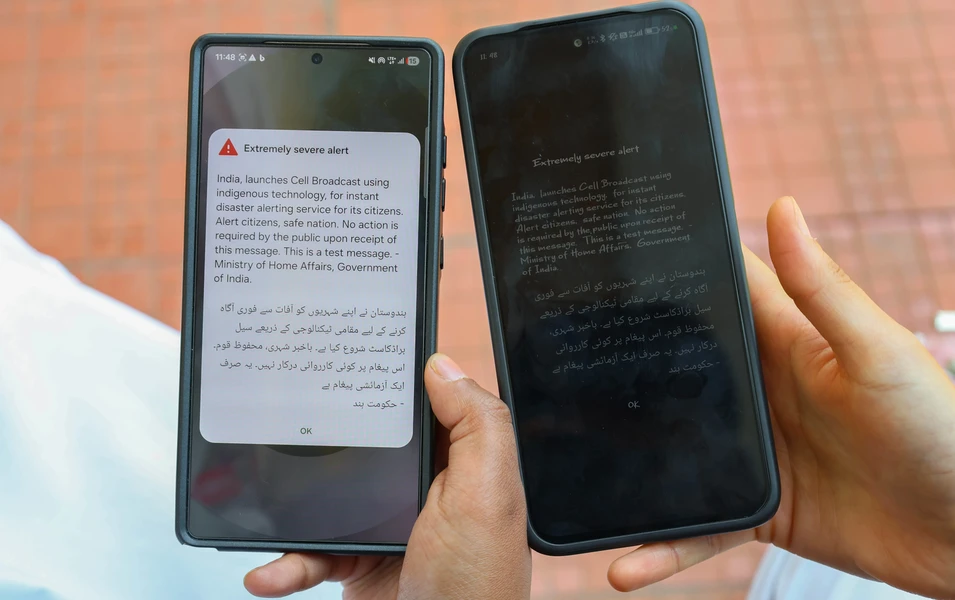
The “Extremely Severe Alert” message sent across India has become a viral talking point after smartphone users in cities like Delhi, Mumbai, Bengaluru, Hyderabad and Pune reported sudden loud alarm sounds on their phones. The alert was part of a government emergency warning system test conducted through the Department of Telecommunications and the National Disaster Management Authority.
While the message was intended as a preparedness exercise, many users initially believed it was related to a national security threat, natural disaster or cyberattack. Within minutes, hashtags linked to the alert began trending across X, Instagram and Facebook, with memes and reaction videos flooding social media feeds.
Why People Received the “Extremely Severe Alert” Notification
The emergency notification was part of India’s Cell Broadcast Alert System testing process. This technology allows authorities to instantly send emergency messages to mobile users during disasters, earthquakes, cyclones, floods or national emergencies.
Several Android users reported hearing an unusually loud siren-like sound even when their phones were on silent mode. In many cases, users were caught off guard during office meetings, classrooms, public transport and even movie screenings.
The notification displayed phrases such as “Emergency Alert” and “Extremely Severe,” which added to the panic among users unfamiliar with the testing process. Government agencies later clarified that the alert was only a test and there was no real danger.
The system is designed to improve public safety and ensure faster communication during emergency situations. Similar public alert systems already operate in countries including the United States, Japan and South Korea.
Social Media Turns Panic Into Meme Content
As confusion spread, social media users quickly transformed the incident into meme material. Many compared the sudden alarm sound to movie invasion scenes, exam result notifications and family WhatsApp group panic.
On X, several users joked that the alert felt more frightening than breaking news notifications or bank balance warnings. Instagram creators also uploaded reels recreating dramatic reactions to the emergency siren.
One major reason the topic went viral was the unexpected timing and intensity of the notification. Unlike regular SMS alerts, the emergency broadcast interrupted phone activity with a full-screen warning and loud sound.
Memes featuring Bollywood reaction clips, animated characters and office panic moments gained high engagement within hours. The incident once again showed how quickly Indian internet culture converts serious or confusing public events into relatable online humor.
Government Clarifies Purpose Behind Emergency Test
Following the online reaction, officials clarified that the alert was a planned nationwide testing exercise aimed at strengthening India’s disaster response communication system.
Authorities stated that these alerts are important for future situations involving cyclones, tsunamis, earthquakes or other emergencies where rapid public communication becomes critical.
The Department of Telecommunications had previously conducted similar tests in selected regions, but this wider rollout reached a significantly larger number of smartphone users. Because of the broader scale, the reaction became more visible online.
Experts believe the system can become highly effective during real emergencies, especially in densely populated urban regions and disaster-prone coastal states. However, communication specialists also noted that public awareness about the testing process could have reduced confusion.
Several users questioned whether the wording “Extremely Severe Alert” was necessary for a test message. Others appreciated the government’s attempt to improve emergency preparedness.
How Emergency Alert Systems Work on Smartphones
Cell broadcast technology differs from traditional SMS messaging. Instead of sending individual messages through telecom networks, authorities can instantly broadcast warnings to all compatible devices connected to specific towers.
Most modern Android smartphones support such alerts by default. Some Apple iPhone users also reported receiving similar notifications depending on device settings and carrier compatibility.
These systems are commonly used worldwide for weather warnings, evacuation notices and public safety announcements. In India, the technology is expected to become more important as climate-related disasters and extreme weather events increase.
Digital safety experts recommend that users should not disable emergency alerts completely, as they may become important during real crises.
Public Reaction Highlights India’s Digital Behavior
The incident also highlighted how digitally connected Indian audiences respond to sudden mass notifications. Within minutes, screenshots, memes, videos and reaction tweets spread faster than the original explanation itself.
Tier-2 and Tier-3 audiences were especially active in sharing reactions through WhatsApp groups and regional-language meme pages. For many users, this was their first experience with a government-issued emergency broadcast system.
The viral response reflects both growing smartphone penetration and India’s fast-moving social media culture, where even technical system tests can become nationwide internet trends within hours.
Key Takeaways
- India conducted a nationwide emergency phone alert system test
- Millions of users received loud “Extremely Severe Alert” notifications
- Social media platforms were flooded with memes and reaction videos
- Officials confirmed the notification was only a preparedness exercise
FAQ
What was the “Extremely Severe Alert” message?
It was a government emergency alert system test sent to smartphones across India to check disaster communication readiness.
Was the emergency alert linked to any real threat?
No. Authorities confirmed it was only a test and there was no actual emergency situation.
Why did the alert sound so loud?
Emergency broadcast alerts are designed to override normal notification settings so users notice urgent warnings immediately.
Can users disable emergency alerts on smartphones?
Some devices allow partial control over alert settings, but experts recommend keeping critical emergency notifications enabled for safety reasons.