



























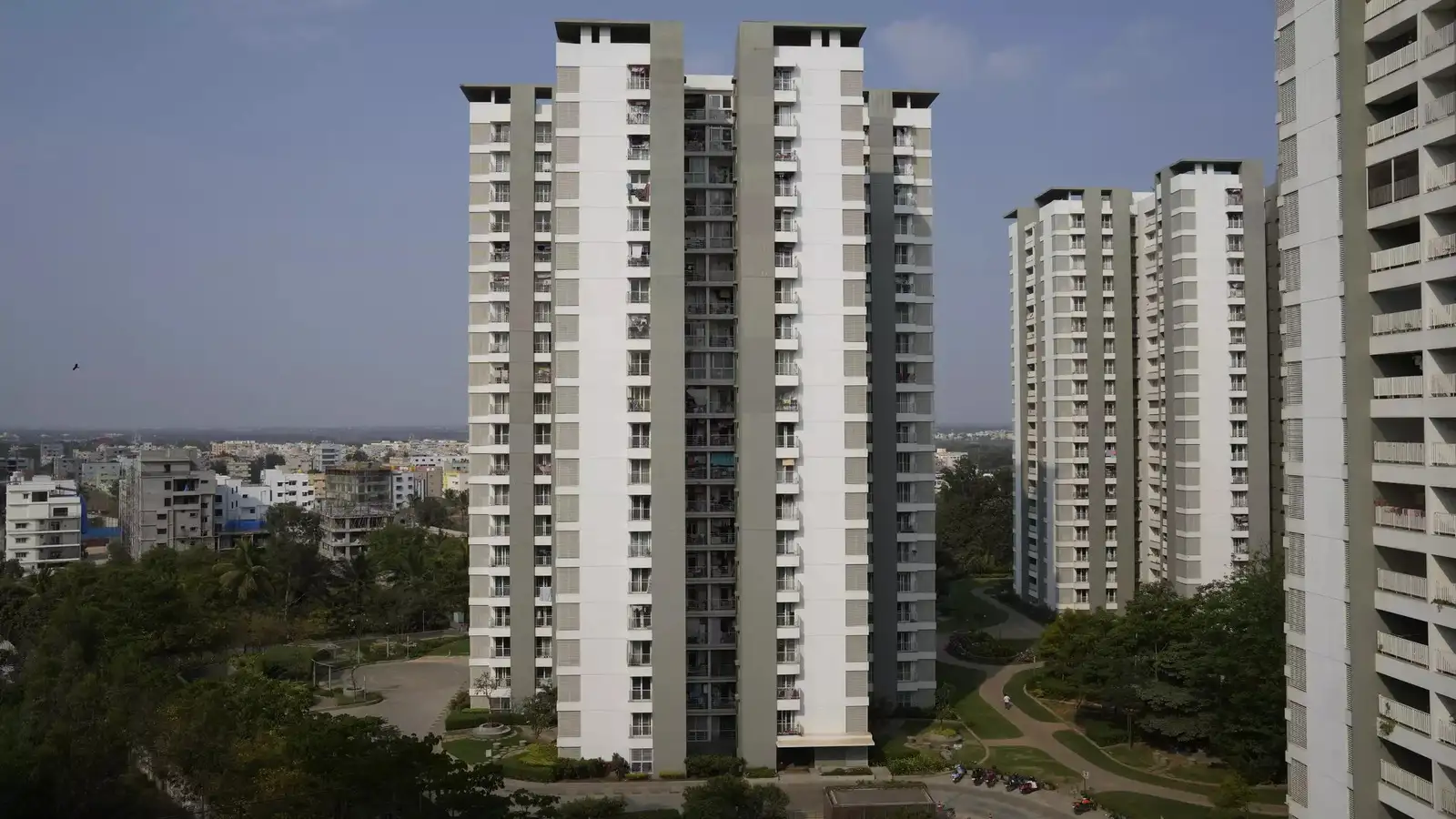
Bengaluru water supply rules have become a major concern for apartment residents as authorities tighten regulations on borewells, treated water, and water conservation. The new guidelines are designed to address recurring shortages and improve long-term water security in India’s technology capital.
Why Bengaluru Water Supply Rules Are Changing
Bengaluru has faced repeated water stress due to rapid urban growth, declining groundwater levels, and uneven rainfall. Large residential complexes depend on a mix of Cauvery water, private borewells, and tanker deliveries to meet daily demand.
To manage this pressure, the Bangalore Water Supply and Sewerage Board (BWSSB) and other state agencies have introduced stricter norms for water use, recycling, and reporting. These measures focus especially on apartment complexes, which consume significant volumes of water each day.
The latest rules are both time-sensitive and practical. They reflect current policy enforcement while also highlighting long-term conservation measures that are likely to remain relevant for years.
Mandatory Sewage Treatment Plants in Larger Apartments
One of the most important Bengaluru water supply regulations applies to large apartment complexes.
Residential projects with substantial occupancy are generally required to install and operate Sewage Treatment Plants (STPs). Treated wastewater must be reused for non-potable purposes such as flushing, gardening, and common-area cleaning.
This requirement reduces dependence on fresh water and lowers the volume of wastewater discharged into drains and lakes.
For apartment associations, this means ensuring STPs are functioning properly and meeting quality standards. Poor maintenance can lead to penalties and higher operating costs.
Groundwater and Borewell Monitoring Rules
Groundwater remains a key source of water for many apartment communities, but authorities are increasing oversight of borewell usage.
Apartment associations may need to register borewells, install meters, and maintain usage records depending on local compliance requirements. In areas where groundwater levels are under stress, regulators can impose extraction limits.
These measures are intended to prevent overuse and encourage more responsible water management.
Residents should expect closer monitoring of water consumption and periodic requests for compliance documentation from their associations.
Treated Water Use for Non-Drinking Purposes
BWSSB and civic agencies continue to encourage the use of treated water wherever potable water is unnecessary.
In many apartment complexes, recycled water is now used for:
- Toilet flushing
- Landscape irrigation
- Basement and driveway cleaning
- Cooling systems
This shift reduces freshwater consumption and supports more sustainable urban infrastructure.
For residents, the practical impact is minimal in daily life, but the savings can be significant for both the city and the housing society.
Water Metering and Consumption-Based Billing
Another important trend in Bengaluru apartment water management is individual metering.
When flats are billed based on actual consumption rather than a fixed maintenance charge, households often become more conscious of usage. Studies across urban housing communities have shown that metering can reduce wastage.
Residents may notice:
- Separate water charges on monthly bills
- Higher costs for excessive consumption
- Incentives to adopt water-saving fixtures
This system is increasingly common in newer apartment projects.
How the New Rules Affect Apartment Residents
For most residents, the new Bengaluru water supply rules will lead to better monitoring rather than drastic lifestyle changes.
Apartment associations may need to spend more on STP maintenance, borewell compliance, and water audits. Those costs could eventually be reflected in monthly maintenance charges.
At the same time, efficient water management can reduce dependence on expensive tankers, especially during summer months when demand rises sharply.
The biggest benefit is improved resilience during periods of shortage.
Practical Tips to Reduce Water Use at Home
Residents can support these efforts through simple steps:
- Fix leaking taps and flush tanks promptly
- Install low-flow showerheads and aerators
- Run washing machines only with full loads
- Reuse RO reject water for cleaning
- Avoid overwatering balcony plants
Small changes across hundreds of households can produce meaningful savings.
What Apartment Associations Should Prioritize
Housing societies should focus on:
- Regular inspection of STPs and pumps
- Calibration of water meters
- Rainwater harvesting maintenance
- Leak detection in common pipelines
- Transparent communication with residents
Communities that invest in preventive maintenance are generally better prepared for seasonal shortages.
Key Takeaways
- Bengaluru has tightened water supply rules to improve conservation and reduce groundwater stress.
- Large apartment complexes are expected to maintain functional sewage treatment systems.
- Borewell monitoring and treated water reuse are becoming more common.
- Residents may see changes in billing, maintenance costs, and water-saving practices.
FAQs
Why are Bengaluru water supply rules becoming stricter?
The city faces rising demand, declining groundwater, and recurring summer shortages, prompting tighter conservation measures.
Do all apartment complexes need a sewage treatment plant?
Larger residential developments are typically required to install and maintain STPs under applicable regulations.
Will maintenance charges increase?
They can rise if associations invest in compliance, but better water management may reduce tanker expenses.
Is treated water safe for apartment use?
Yes. Properly treated water is widely used for flushing, gardening, and cleaning, though not for drinking.