





















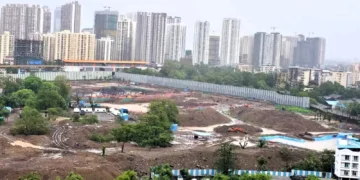









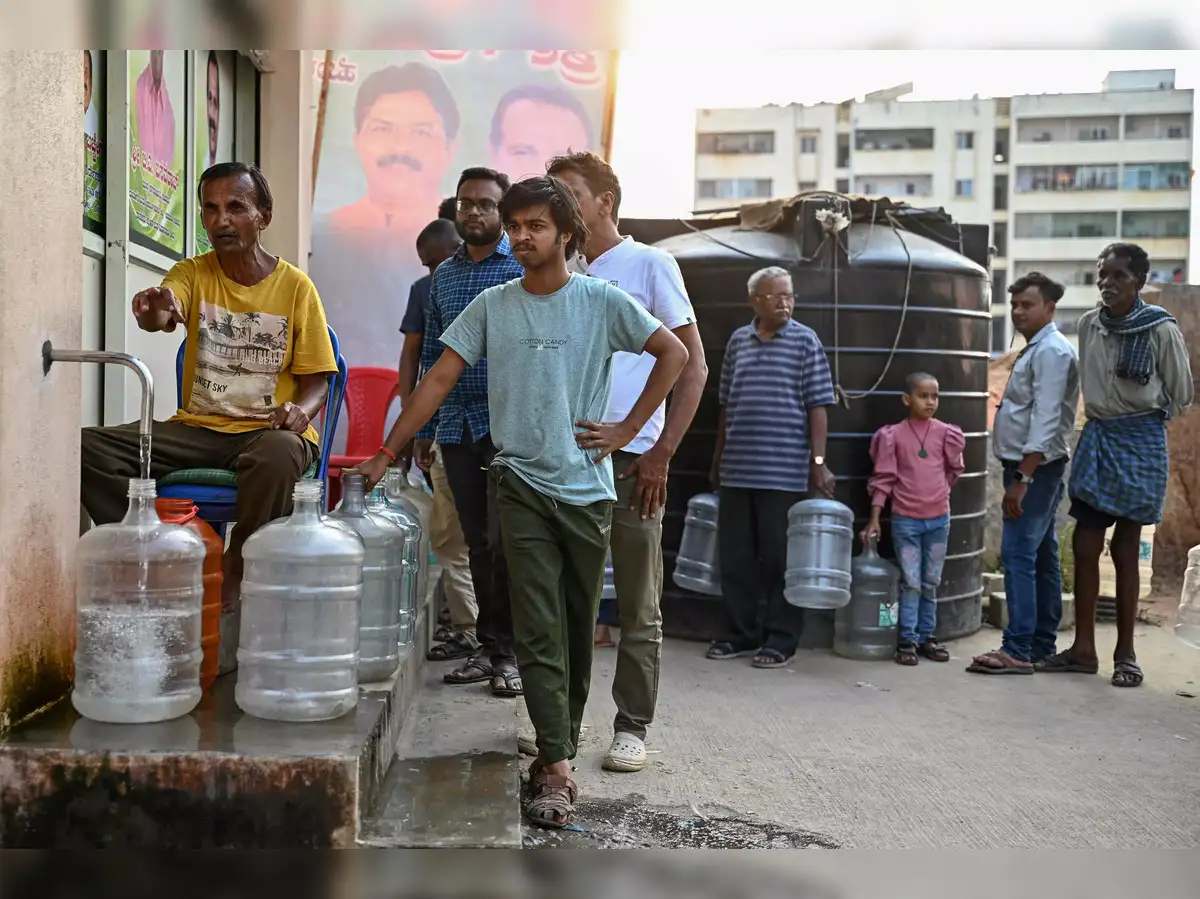
Bengaluru’s worsening water crisis is pushing major tech parks and companies to rethink office operations, with several firms informally encouraging work-from-home to manage shortages and reduce daily water consumption across campuses.
The ongoing Bengaluru water crisis has reached a point where large office hubs are actively adjusting work policies. With groundwater levels falling and tanker costs rising, companies are being forced to rethink how employees use physical workspaces in India’s tech capital.
Water Shortage Intensifies Across Key IT Corridors
The situation in Bengaluru has been building over the past few months, but April heat conditions have accelerated the pressure. Areas like Whitefield, Outer Ring Road, and Electronic City are among the worst affected due to high commercial density.
Many tech parks rely heavily on private water tankers as borewells have dried up. Reports from resident welfare associations and local authorities indicate tanker prices have surged significantly, in some cases doubling compared to last year.
The city’s demand for water is estimated to exceed supply by a large margin during peak summer, especially in zones dependent on groundwater. The Cauvery water supply system continues to be stretched, unable to fully support the growing population and commercial expansion.
Tech Companies Shift to Flexible Work Models
In response, several IT firms and business parks are informally encouraging employees to work from home where possible. While no blanket mandates have been announced, internal advisories are being circulated to reduce on-site workforce density.
This shift is not only about employee convenience but also resource management. Office campuses consume large amounts of water daily for sanitation, cooling systems, and food courts. Reducing physical attendance directly lowers this burden.
Some companies are also staggering workdays or adopting hybrid schedules to balance operations. Industry insiders suggest that if the situation worsens further into May, more structured work-from-home policies could return temporarily.
Rising Costs and Operational Pressure on Businesses
The impact of Bengaluru water shortage on businesses is becoming more visible. Tech parks are facing increased operational costs due to dependence on tanker water, which is both expensive and inconsistent in supply.
Facilities teams are now implementing strict water usage protocols. This includes limiting landscaping irrigation, reducing non-essential water usage, and monitoring daily consumption more closely.
For smaller startups and co-working spaces, the situation is even more challenging. Many operate on tight margins and are struggling to absorb the rising costs of water procurement.
Government Measures and Long-Term Concerns
Authorities have introduced measures such as regulating private tanker operations and urging responsible water usage. There is also ongoing discussion around stricter groundwater extraction norms.
However, the broader issue remains structural. Rapid urbanisation, shrinking lakes, and inadequate water infrastructure have compounded the problem over the years.
Urban planners have repeatedly warned that without sustainable water management, cities like Bengaluru will face recurring shortages. Rainwater harvesting, wastewater recycling, and infrastructure upgrades are often cited as long-term solutions but implementation remains uneven.
Daily Life and Employee Impact
The effect of water crisis on daily life in Bengaluru extends beyond offices. Residential societies are already rationing water, and many households are adjusting routines to cope with limited supply.
For employees, work-from-home is becoming a practical necessity rather than just a flexible perk. Reduced commuting, combined with fewer resource constraints at home, makes it a viable short-term solution.
However, prolonged remote work also raises concerns around productivity, collaboration, and infrastructure readiness, especially for roles that require on-site presence.
What Lies Ahead as Summer Peaks
With peak summer yet to pass, the situation is expected to remain tight. Weather patterns, delayed rains, and rising demand will continue to influence how the crisis unfolds over the coming weeks.
Companies are likely to remain cautious, balancing business continuity with resource constraints. The current shift toward flexible work may become a temporary norm until water availability stabilises.
The Bengaluru water crisis has once again highlighted the fragile balance between urban growth and essential resources, forcing both policymakers and businesses to rethink long-term strategies.
Takeaways
• Bengaluru is facing a severe water shortage driven by falling groundwater and rising demand
• Tech companies are encouraging work-from-home to reduce water consumption in offices
• Businesses are seeing increased operational costs due to tanker dependency
• Long-term solutions like water recycling and infrastructure upgrades remain critical
FAQs
Q1. Why is Bengaluru facing a water crisis right now?
The crisis is due to a combination of depleted groundwater, high summer demand, and limited supply from existing sources like the Cauvery river.
Q2. Are companies officially mandating work-from-home?
Most companies are not issuing formal mandates yet, but many are encouraging flexible or hybrid work to reduce on-site resource usage.
Q3. How is the water shortage affecting daily life?
Residents are facing water rationing, increased costs, and dependency on tankers, while offices are cutting back on usage.
Q4. What are the long-term solutions to this issue?
Key solutions include rainwater harvesting, wastewater reuse, better urban planning, and stricter groundwater regulation.