






























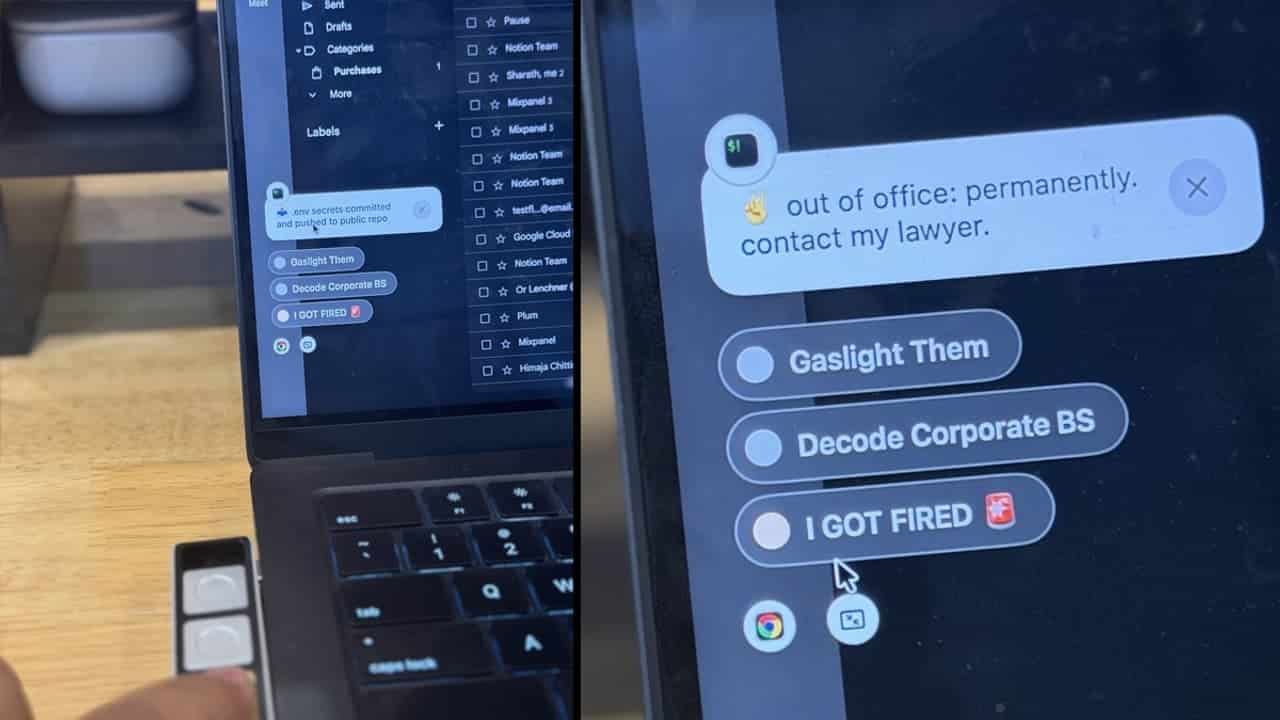
A Bengaluru software engineer has gone viral after creating an AI-powered “I Got Fired” button that instantly generates emotional resignation-style posts and layoff announcements. The trend has exploded online at a time when job insecurity and tech layoffs continue to worry professionals across India.
The viral “I Got Fired” AI button created by a Bengaluru techie has become one of India’s most talked-about internet trends this week. Designed as a humorous tool, the button generates dramatic LinkedIn-style layoff posts with a single click. But behind the jokes lies a deeper conversation about AI anxiety, corporate layoffs, and mental stress in the tech industry.
The tool quickly spread across social media platforms after screenshots and demo videos began circulating online. Users started sharing AI-generated posts featuring emotional stories about “unexpected layoffs,” “career pivots,” and “new beginnings.” Many people found the content funny because it closely resembled the increasingly emotional tone of real LinkedIn announcements after layoffs.
At the same time, the trend also highlighted growing concerns among tech workers about automation, hiring slowdowns, and unstable job markets in India’s startup ecosystem.
How the Viral AI Fired Button Works
The Bengaluru developer reportedly built the tool as a satirical side project. Users click a single button, and the AI instantly creates a dramatic layoff announcement written in the style commonly seen on LinkedIn.
The generated text often includes phrases about “gratitude,” “learning journeys,” “resilience,” and “unexpected transitions.” Some versions even automatically insert fake motivational endings and emotional reflections.
What made the tool viral was its accuracy in mimicking corporate social media language. Thousands of users joked that AI now understands LinkedIn culture better than humans themselves.
Screenshots of these generated posts spread rapidly on X, Reddit, Instagram, and LinkedIn. Some users laughed at how repetitive modern corporate communication has become, while others pointed out that the humor reflects genuine anxiety among employees.
The trend also gained traction because it appeared during ongoing discussions around AI replacing jobs in software development, customer support, content writing, and automation-heavy sectors.
Why Layoff Anxiety Is Rising in India’s Tech Sector
The viral AI button resonated strongly because job insecurity remains a major concern in India’s technology industry. Over the past two years, several global and Indian companies have reduced hiring, cut teams, or slowed expansion due to economic pressure and automation shifts.
Bengaluru, often called India’s startup capital, has seen repeated discussions around layoffs in startups, IT services, fintech companies, and AI-focused firms. While India’s tech sector continues to grow overall, many employees feel uncertain about long-term stability.
The rise of generative AI tools has intensified these fears. Workers are increasingly asking whether automation could reduce demand for entry-level coding, customer support, marketing, and operations roles.
The viral “I Got Fired” tool transformed these fears into internet humor. Instead of discussing layoffs through serious industry reports, users began sharing memes and AI-generated posts as a coping mechanism.
This reflects a broader internet trend where humor is used to process economic stress, burnout, and career uncertainty.
LinkedIn Culture and Corporate Satire Go Mainstream
Another reason behind the trend’s popularity is growing public fatigue with exaggerated LinkedIn storytelling. Many social media users believe professional networking platforms have become overly performative.
The AI button mocked this culture by automatically generating polished emotional posts that sounded realistic despite being fake. Users joked that every layoff announcement online now follows the same structure.
Corporate satire has become increasingly popular among younger professionals. Gen-Z workers especially prefer humor-driven commentary over formal discussions about workplace culture.
This trend also reveals how AI tools are rapidly entering everyday internet entertainment. What was once limited to productivity software is now becoming part of meme culture and digital satire.
Several creators even started customizing the tool to generate fake startup founder posts, motivational CEO announcements, and AI-written “hustle culture” stories.
AI Humor Is Becoming a Reflection of Real Workplace Stress
While the viral trend is largely comedic, experts believe it reflects real emotional pressure in modern workplaces. Long hours, unstable hiring patterns, and rising performance expectations have increased stress among young professionals.
India’s startup ecosystem remains highly competitive, especially in cities like Bengaluru, Hyderabad, Pune, and Gurugram. Employees are constantly adapting to changing technologies and shifting business priorities.
Humor-driven AI tools like the “I Got Fired” button work because they capture a shared emotional reality. Workers recognize the fear behind the joke.
At the same time, the trend demonstrates how AI is changing internet culture itself. Artificial intelligence is no longer just a workplace tool. It is becoming part of entertainment, memes, satire, and social commentary.
The Bengaluru techie behind the project may have intended it as a joke, but the internet turned it into a larger conversation about modern work culture.
Key Takeaways
- A Bengaluru developer created a viral AI-powered “I Got Fired” button that mimics LinkedIn layoff posts.
- The trend became popular because it reflected real concerns about layoffs and AI-driven job insecurity.
- Social media users connected with the satire around corporate communication and workplace culture.
- The viral tool highlights how AI is increasingly influencing internet humor and digital storytelling.
FAQ
What is the AI “I Got Fired” button?
It is a viral AI-powered tool that generates fake emotional layoff announcements similar to LinkedIn posts.
Why did the tool become viral?
The tool became popular because it humorously reflected real fears about layoffs, AI automation, and corporate culture.
Was the tool created seriously or as a joke?
The project appears to have been created mainly as satire and internet humor rather than a serious layoff platform.
Why are tech workers relating to this trend?
Many employees in the tech industry are experiencing anxiety around layoffs, automation, and unstable hiring conditions.