




























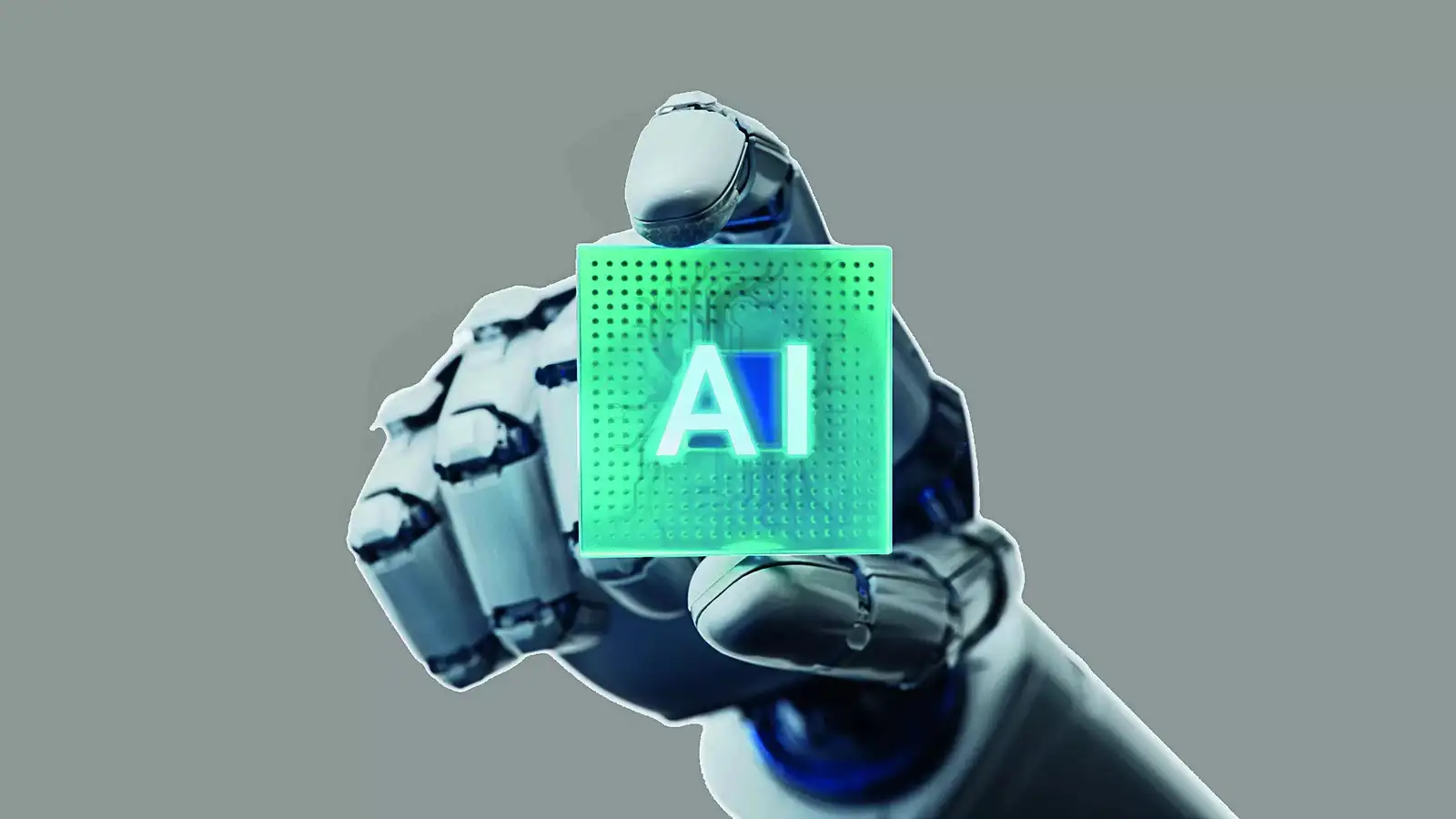
Maharashtra’s expanding focus on artificial intelligence, startup growth, and digital innovation could significantly reshape employment opportunities across smaller cities in 2026. Industry experts believe the state’s technology push may reduce metro migration pressure while creating new tech-enabled jobs in emerging urban centers.
Maharashtra Expands Focus on AI and Startup Development
Maharashtra’s AI and startup ecosystem is entering a major growth phase as government initiatives, private investment, and technology companies increasingly focus on artificial intelligence, digital infrastructure, and entrepreneurship development.
Traditionally, cities like Mumbai and Pune dominated the state’s technology economy. However, newer policy discussions and startup expansion strategies are now placing greater attention on smaller urban centers including Nagpur, Nashik, Aurangabad, Kolhapur, and Solapur.
The shift comes as India’s broader AI economy continues growing rapidly across sectors such as healthcare, logistics, fintech, education technology, agriculture, cybersecurity, and customer service automation.
State-level startup programs, incubation centers, skill development initiatives, and digital infrastructure investments are creating opportunities for local entrepreneurs and young professionals outside traditional metro hubs.
Industry observers believe this expansion could gradually decentralize Maharashtra’s technology workforce and open career pathways closer to home for students and workers from Tier-2 and Tier-3 cities.
Why Smaller Cities Are Becoming Important for AI Growth
One major reason behind this shift is the rising operational cost of large metropolitan cities. Technology companies and startups are increasingly exploring smaller urban centers where office expenses, employee costs, and infrastructure spending are more manageable.
Remote and hybrid work models introduced after the pandemic years have also accelerated this transition. Many technology firms no longer require all employees to work from a single metropolitan office location.
Cities like Nagpur and Nashik are now attracting attention because they offer improving internet infrastructure, growing educational ecosystems, and lower living costs compared to Mumbai or Bengaluru.
Engineering graduates from smaller cities often migrate to metro regions for employment due to limited local opportunities. However, AI-driven industries may gradually reduce this dependency if startups and technology companies establish distributed operations across Maharashtra.
Experts believe smaller cities could become strong centers for backend development, AI data operations, customer support systems, cloud services, and digital business management.
This would allow local talent to access higher-paying technology jobs without relocating permanently to overcrowded metros.
AI Skill Demand Is Creating New Career Opportunities
The rise of artificial intelligence is also changing the nature of employment itself. While advanced AI research roles remain concentrated in major technology hubs, many AI-related jobs now involve practical implementation, operations, training, analytics, automation management, and digital support services.
This creates opportunities for a broader workforce beyond elite software engineers.
Educational institutions across Maharashtra are already increasing focus on AI-related training programs including machine learning basics, prompt engineering, data annotation, cloud computing, and automation tools.
Local startup ecosystems are also encouraging entrepreneurship in sectors like agritech, logistics optimization, regional language AI tools, healthcare technology, and education platforms.
For smaller cities, this could mean growth not only in coding jobs but also in sales, digital marketing, HR, customer support, content moderation, and AI-assisted business services.
Industry experts say the long-term impact may resemble the earlier IT outsourcing boom that created large employment networks across Indian urban centers.
However, success will depend heavily on infrastructure quality, internet reliability, industry collaboration, and skill development consistency.
Maharashtra’s Startup Ecosystem Is Expanding Beyond Mumbai
Mumbai remains Maharashtra’s financial and startup capital, particularly for fintech, media, and enterprise investment. Meanwhile, Pune has strengthened its reputation in SaaS, manufacturing technology, cybersecurity, and AI development.
But the next phase of growth increasingly involves regional expansion rather than concentration in only two cities.
Startup incubators, co-working hubs, and entrepreneurship programs are appearing in more districts across Maharashtra. Government-backed innovation centers and university partnerships are also helping local founders access mentorship and funding support.
Several startups are now adopting distributed hiring models where engineering, operations, and support teams work across multiple cities instead of centralized headquarters.
This trend is particularly important for smaller cities because it creates economic activity beyond traditional IT corridors.
Industry observers say Maharashtra’s large population, educational base, and industrial diversity give it strong long-term potential to become one of India’s largest AI-enabled state economies.
Challenges Still Exist for Smaller City Technology Growth
Despite the optimism around AI and startup expansion, experts warn that several structural challenges remain. Smaller cities still face gaps in advanced infrastructure, public transportation, high-speed connectivity, and access to venture capital networks.
Retention of skilled talent also remains difficult. Many highly trained professionals still prefer metro cities due to salary expectations, lifestyle preferences, and larger professional ecosystems.
Educational quality varies significantly between regions, which could affect long-term workforce readiness for advanced AI-related roles.
Cybersecurity awareness, data governance, and digital literacy are additional areas requiring improvement as AI adoption increases.
Experts also caution against unrealistic expectations. AI growth may create new opportunities, but it could simultaneously automate certain traditional jobs, particularly repetitive administrative or operational tasks.
The challenge for policymakers will be ensuring workforce reskilling keeps pace with technological change.
AI Growth Could Reshape Maharashtra’s Economic Geography
The broader significance of Maharashtra’s AI push goes beyond technology alone. If smaller cities successfully participate in the AI economy, it could gradually reshape migration patterns, local business ecosystems, and regional economic development.
Young professionals may increasingly choose to remain in cities closer to their families while working remotely or through distributed startup networks.
Local service industries including housing, retail, transport, education, and hospitality could also benefit from rising technology-driven employment.
For Maharashtra, this decentralized growth model may help reduce pressure on overcrowded metros while distributing economic opportunities more evenly across the state.
The success of this transition will ultimately depend on how effectively government initiatives, private investment, startup ecosystems, and educational institutions work together over the coming years.
Key Takeaways
- Maharashtra’s AI and startup expansion could create more jobs in smaller cities
- Nagpur, Nashik, and other regional centers are gaining attention as technology hubs
- AI-related employment opportunities are expanding beyond traditional software engineering roles
- Infrastructure, education quality, and digital connectivity remain important challenges
FAQs
Why are smaller Maharashtra cities becoming important for AI growth?
Lower operational costs, improving digital infrastructure, and remote work adoption are making smaller cities attractive for startups and technology firms.
Which cities could benefit from Maharashtra’s AI push?
Cities like Nagpur, Nashik, Aurangabad, Kolhapur, and Solapur may see increasing startup and technology activity.
What kind of AI jobs could emerge in smaller cities?
AI-related jobs may include data operations, automation support, digital services, cloud management, analytics, and customer support roles.
Can AI reduce migration to metro cities?
Experts believe distributed hiring and remote work models could help some professionals build careers closer to their hometowns.