































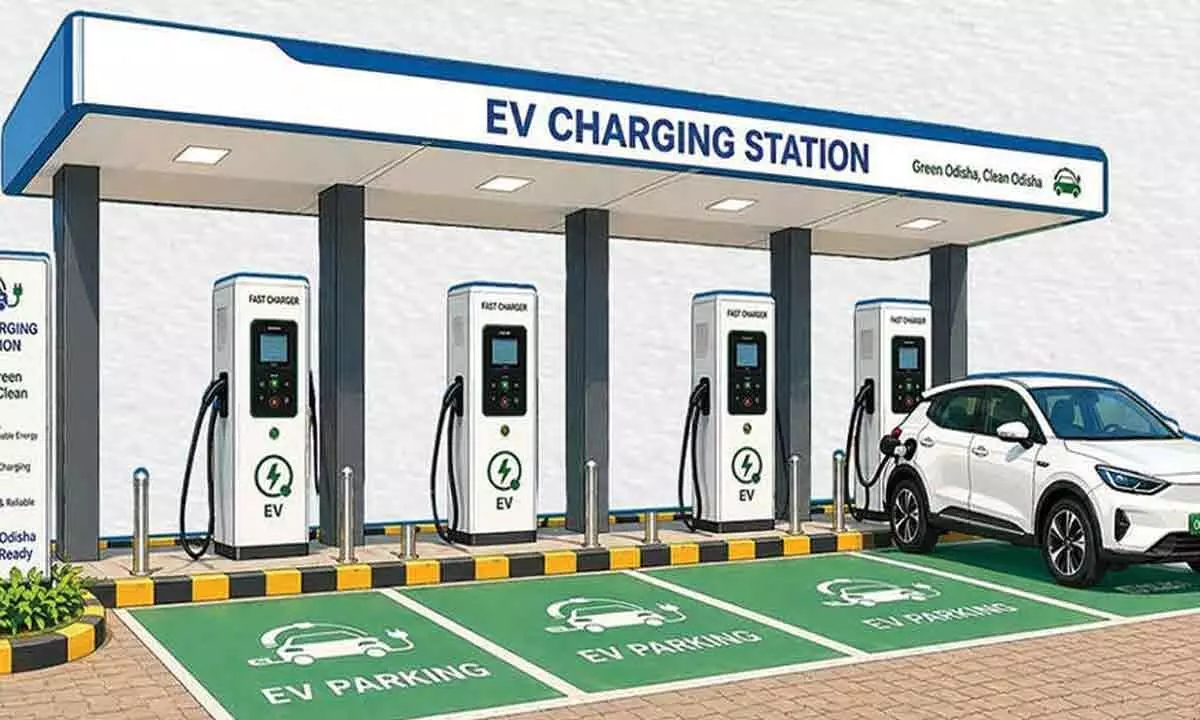
The government plans 190 EV charging stations across 6 cities as part of India’s ongoing push toward electric mobility. The move is expected to ease charging access, reduce range anxiety, and make daily commuting more practical for electric vehicle users.
EV Charging Stations Plan Signals Infrastructure Expansion
The announcement that the government plans 190 EV charging stations across 6 cities reflects a time sensitive development in India’s transport infrastructure. This initiative is part of a broader strategy to accelerate electric vehicle adoption by improving accessibility to charging facilities.
The selected cities are expected to include a mix of Tier 1 and Tier 2 urban centres, where EV adoption is gradually increasing. By focusing on multiple locations, authorities aim to create a distributed network rather than concentrating infrastructure in a single metro.
This development comes at a time when EV sales are steadily rising in India, especially in the two wheeler and three wheeler segments. However, limited charging infrastructure has remained a key barrier for many potential buyers.
How EV Infrastructure Impacts Daily Commuters
The expansion of EV charging stations directly affects daily commuters who rely on personal or shared transport. One of the biggest challenges for EV users has been range anxiety, the fear that a vehicle may run out of charge without access to a nearby station.
With more public charging points available, commuters can plan their routes more confidently. This is particularly important in cities where long travel distances and traffic congestion are common.
For office goers and delivery workers, improved infrastructure means less downtime and more predictable travel schedules. Charging stations located near workplaces, residential areas, and transit hubs can make EV usage more convenient.
The initiative is expected to benefit not only private vehicle owners but also fleet operators and ride sharing services.
Role of Charging Networks in EV Adoption Growth
A strong charging network is essential for scaling electric mobility. Without reliable access to charging, even cost effective EVs struggle to gain widespread acceptance.
The government’s plan to install 190 stations highlights the importance of building a supportive ecosystem. Each station contributes to a network effect, where increased availability encourages more users to switch to electric vehicles.
Charging infrastructure also supports different vehicle categories, including two wheelers, cars, and commercial vehicles. Fast charging technology can further reduce waiting times, making EVs more practical for everyday use.
This expansion aligns with India’s long term goals of reducing fuel imports and lowering urban emissions.
Economic and Business Opportunities from EV Expansion
The rollout of EV charging stations creates new business opportunities across sectors. Companies involved in hardware manufacturing, software management, and energy services can benefit from increased demand.
Local entrepreneurs may also participate by operating charging stations or providing maintenance services. This can generate employment and contribute to regional economic growth.
The initiative may attract private investment as well. Public private partnerships are often used to scale infrastructure projects, allowing faster deployment and innovation.
For cities included in the plan, this development can position them as early adopters of advanced mobility solutions, which may attract further investment in related industries.
Challenges in Implementation and Urban Planning
While the plan is ambitious, its success depends on effective implementation. Setting up 190 charging stations requires coordination between government agencies, power utilities, and private stakeholders.
One challenge is identifying suitable locations that are both accessible and technically feasible. Urban areas often face space constraints, making installation more complex.
Power supply management is another concern. Increased demand for electricity must be balanced with grid capacity to avoid disruptions. Integrating renewable energy sources could help address this issue.
User awareness is also important. Many commuters are still unfamiliar with how EV charging works. Clear information and signage at charging points can improve user experience.
Environmental Benefits and Long Term Impact
The expansion of EV charging infrastructure contributes to environmental sustainability. Electric vehicles produce zero tailpipe emissions, which can help reduce air pollution in cities.
As more commuters shift to EVs, the cumulative impact on air quality and fuel consumption can be significant. This aligns with India’s climate goals and commitments to reducing carbon emissions.
However, the overall environmental benefit depends on how electricity is generated. Greater use of renewable energy in the power mix can enhance the positive impact of EV adoption.
In the long term, initiatives like this can transform urban mobility, making it cleaner and more efficient.
Key Takeaways
- The government plans 190 EV charging stations across 6 cities to boost infrastructure
- Improved charging access can reduce range anxiety for daily commuters
- The initiative creates opportunities for businesses and local employment
- Effective implementation and power management are critical for success
Frequently Asked Questions
Why is the government expanding EV charging stations?
To support growing electric vehicle adoption and make charging more accessible for users.
How will this affect daily commuters?
It will make EV usage more practical by reducing uncertainty around charging availability.
Which cities are included in the plan?
The plan covers six cities, including both major metros and emerging urban centres.
Are there challenges in setting up charging stations?
Yes, including location planning, power supply management, and user awareness.