






















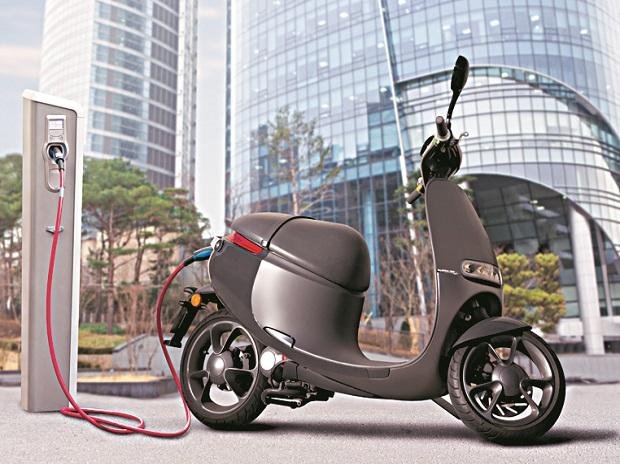
Electric two wheelers see sales surge in smaller cities as affordability, rising fuel costs, and improved availability drive adoption. Tier-2 and Tier-3 markets are emerging as key growth engines for India’s EV ecosystem, especially in the two wheeler segment.
Electric Two Wheelers See Sales Surge in Smaller Cities Overview
The trend of electric two wheelers seeing a sales surge in smaller cities is reshaping the EV landscape in India. While early adoption was concentrated in metro cities, demand is now expanding into Tier-2 and Tier-3 regions.
Cities like Nagpur, Indore, and Lucknow are witnessing increased interest due to practical commuting needs and cost considerations.
Electric scooters are particularly popular because they offer a balance of low running cost, ease of use, and suitability for daily travel.
This shift indicates a broader transition toward electric mobility beyond urban centers.
Key Drivers Behind the Sales Surge
Several factors are driving the growth of electric two wheelers in smaller cities. Rising petrol prices have made traditional scooters more expensive to operate, pushing buyers toward electric alternatives.
Lower running costs are a major advantage. Charging an electric scooter is significantly cheaper than refueling a petrol vehicle, making it attractive for daily commuters.
Government incentives and subsidies are also playing a role in reducing upfront costs. Awareness about EV benefits is increasing, supported by marketing and word of mouth.
Improved product availability and financing options have further accelerated adoption.
Role of Brands and Market Expansion
Leading EV manufacturers are actively targeting smaller cities to drive growth. Companies like Ola Electric and Ather Energy are expanding their presence beyond metros.
Dealership networks and service centers are being set up in Tier-2 cities to improve accessibility. This reduces concerns around maintenance and after sales support.
Traditional two wheeler manufacturers are also entering the EV space, increasing competition and offering more choices to buyers.
This expansion is making electric two wheelers more accessible across regions.
Affordability and Total Cost Advantage
Affordability is a critical factor in smaller cities. Electric two wheelers offer lower total cost of ownership compared to petrol scooters.
While initial prices may be higher, savings on fuel and maintenance make them cost effective over time. Buyers with high daily usage benefit the most from this advantage.
Financing schemes and EMI options are making EVs more accessible to budget conscious consumers.
For many households, electric scooters are becoming a practical and economical choice.
Infrastructure and Charging Reality in Smaller Cities
Charging infrastructure remains a mixed factor in the adoption of electric two wheelers. Unlike electric cars, two wheelers can often be charged at home, reducing dependence on public charging stations.
However, public infrastructure is still developing in many Tier-2 and Tier-3 cities. Limited availability of charging points can be a concern for some users.
Despite this, home charging convenience is sufficient for most daily commuters. Improvements in infrastructure are expected to support further growth.
The current setup works for short to medium distance usage patterns.
Challenges Slowing Down Adoption
Despite strong growth, challenges remain in smaller cities across India. Range anxiety continues to be a concern for some buyers, especially in areas with limited charging infrastructure.
Battery replacement costs and long term reliability are also factors influencing decision making. Awareness gaps about EV maintenance and usage persist in certain regions.
After sales service quality varies depending on the brand and location. Building trust among buyers is essential for sustained growth.
Addressing these issues will be key to expanding adoption further.
Impact on Traditional Two Wheeler Market
The rise of electric two wheelers is beginning to impact the traditional petrol scooter market. Buyers who prioritize cost savings are increasingly considering EV options.
Manufacturers of petrol scooters are responding by improving efficiency and introducing new models. However, the shift toward electric mobility is gaining momentum.
In smaller cities, where cost sensitivity is high, this transition could accelerate faster than expected.
The competition between EVs and petrol vehicles is reshaping the market.
Future Outlook for Electric Two Wheelers in India
The future of electric two wheelers in India looks strong, with smaller cities playing a crucial role in growth. Continued policy support, improved infrastructure, and better product offerings will drive adoption.
Technological advancements in batteries and charging solutions will enhance convenience and reliability.
As awareness increases and costs continue to decline, electric two wheelers are likely to become a mainstream choice across all city tiers.
The current sales surge may be the beginning of a larger transformation.
Takeaways
- Electric two wheelers are seeing strong growth in smaller cities
- Lower running costs and rising fuel prices drive adoption
- Home charging makes EVs practical for daily commuting
- Challenges include infrastructure gaps and awareness issues
FAQs
Q1. Why are electric two wheelers popular in smaller cities?
Lower running costs and affordability make them ideal for daily commuting.
Q2. Is charging infrastructure available in Tier-2 cities?
It is improving, but home charging remains the primary option.
Q3. Are electric scooters cheaper than petrol scooters?
They are more cost effective over time due to lower running costs.
Q4. What are the main challenges for EV adoption?
Range anxiety, infrastructure gaps, and awareness issues.