




























EV battery swapping gains momentum in the delivery sector as companies look to reduce downtime and improve fleet efficiency. With rapid growth in e commerce and last mile logistics, swapping is emerging as a practical alternative to traditional charging.
EV Battery Swapping Gains Momentum in Delivery Sector Overview
The trend of EV battery swapping gaining momentum in the delivery sector is becoming increasingly visible across India. Logistics companies and gig economy platforms are adopting electric two wheelers to reduce fuel costs and meet sustainability goals.
Battery swapping allows riders to replace depleted batteries with fully charged ones in minutes, eliminating long charging times. This is particularly useful in high utilization sectors such as food delivery and courier services.
Cities like Delhi, Mumbai, and Bengaluru are leading adoption due to higher delivery volumes and better infrastructure.
How Battery Swapping Works in Real Operations
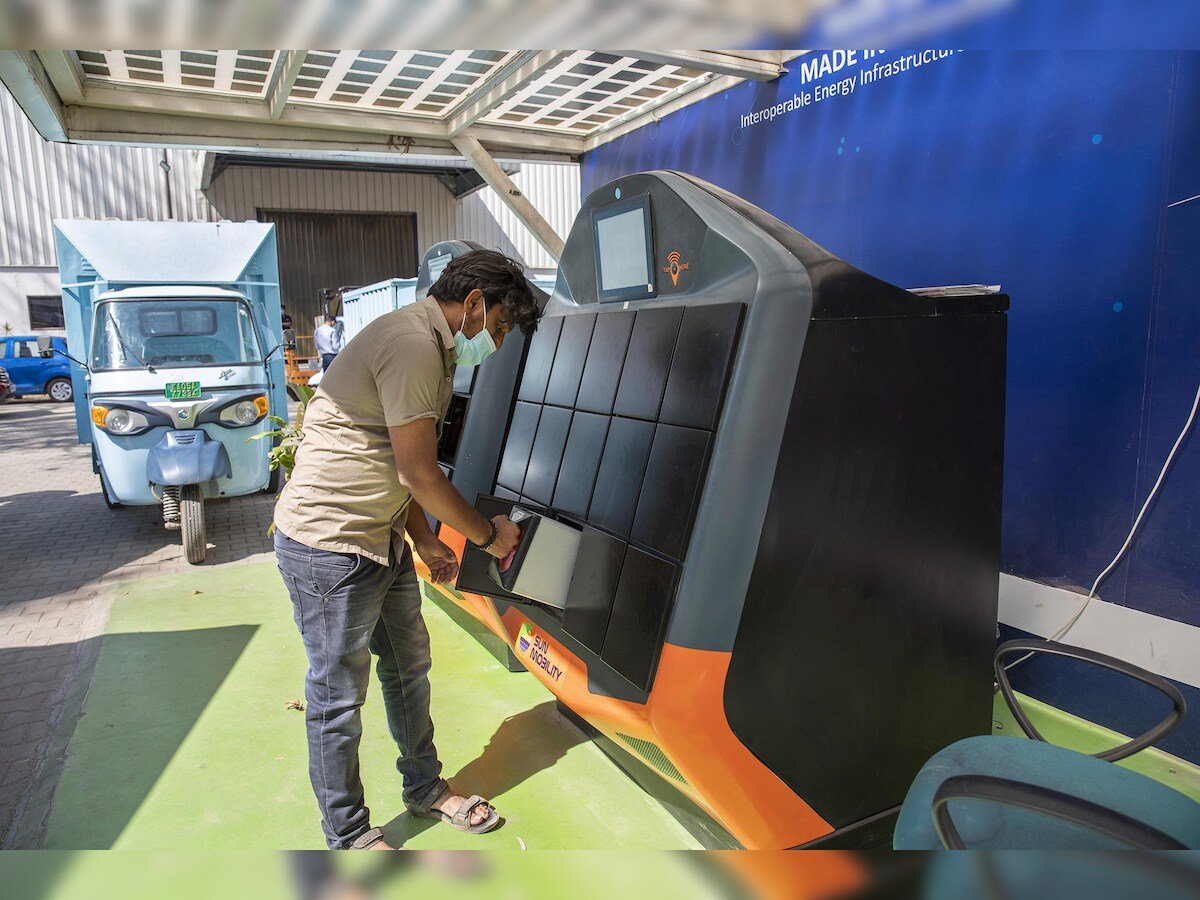
Battery swapping operates through dedicated stations where users can exchange a discharged battery for a charged one. Riders subscribe to swapping networks or pay per swap based on usage.
The process typically takes a few minutes, significantly reducing downtime compared to conventional charging, which can take several hours.
Fleet operators integrate swapping into daily operations by planning routes around swap stations. This ensures continuous vehicle usage without interruptions.
Technology platforms track battery usage, availability, and performance, enabling efficient management of fleets.
Why Delivery Sector Is Driving Adoption
The delivery sector is uniquely suited for battery swapping due to its high daily mileage and time sensitive operations. Riders often cover long distances, making frequent charging impractical.
Swapping eliminates waiting time, allowing riders to maximize productivity and earnings. This directly impacts operational efficiency for companies.
Fuel cost savings are another major factor. Electric vehicles combined with swapping reduce dependence on petrol, lowering expenses.
Companies involved in food delivery, e commerce, and logistics are leading this transition.
Key Players and Business Models
Several companies are driving the battery swapping ecosystem in India. Startups like Sun Mobility and Battery Smart are building networks of swap stations.
These companies partner with vehicle manufacturers and fleet operators to create integrated solutions. Subscription based models are common, offering predictable costs for users.
Some platforms also provide battery leasing options, reducing the upfront cost of electric vehicles.
This ecosystem approach is helping scale adoption in the delivery sector.
Cost Advantages and Operational Efficiency
Battery swapping offers clear cost advantages for delivery businesses. Lower energy costs compared to petrol reduce operating expenses.
Eliminating charging downtime increases vehicle utilization, allowing more deliveries per day. This improves revenue potential for both companies and riders.
Maintenance costs are also lower, as electric vehicles have fewer moving parts. Centralized battery management ensures better monitoring and performance.
These benefits make swapping an attractive solution for high usage scenarios.
Challenges Facing Battery Swapping Expansion
Despite its advantages, battery swapping faces several challenges. Standardization is a key issue, as different manufacturers use different battery designs.
Infrastructure investment is another challenge. Setting up swap stations requires capital and coordination with multiple stakeholders.
Battery ownership models can also be complex, involving leasing and subscription agreements that may confuse users.
Awareness and trust among riders need to improve for wider adoption.
Addressing these challenges is essential for scaling the ecosystem.
Impact on EV Adoption in India
Battery swapping is expected to accelerate EV adoption in India, particularly in commercial segments. By addressing range and charging concerns, it makes electric vehicles more practical for daily operations.
The delivery sector acts as a catalyst, demonstrating the viability of EVs at scale. Success in this segment can influence adoption in other areas such as ride sharing and personal mobility.
Government support and policy frameworks are also encouraging the development of swapping infrastructure.
This trend is shaping the future of electric mobility.
Future Outlook for Battery Swapping Ecosystem
The future of EV battery swapping in India looks promising as technology and infrastructure evolve. Standardization efforts and increased investment are expected to address current challenges.
Expansion into Tier-2 and Tier-3 cities will be a key focus area. As delivery networks grow, demand for efficient energy solutions will increase.
Integration with renewable energy and smart grid systems may further enhance sustainability.
Battery swapping could become a mainstream solution for commercial EV usage in the coming years.
Takeaways
- Battery swapping reduces downtime for delivery operations
- Lower running costs improve profitability for fleets
- Startups and private players are driving ecosystem growth
- Challenges include standardization and infrastructure investment
FAQs
Q1. What is EV battery swapping?
It is a system where depleted batteries are replaced with charged ones at dedicated stations.
Q2. Why is it popular in the delivery sector?
Because it reduces downtime and increases operational efficiency.
Q3. Are there cost benefits to battery swapping?
Yes, it lowers energy and maintenance costs compared to petrol vehicles.
Q4. What are the main challenges?
Standardization, infrastructure costs, and user awareness.