































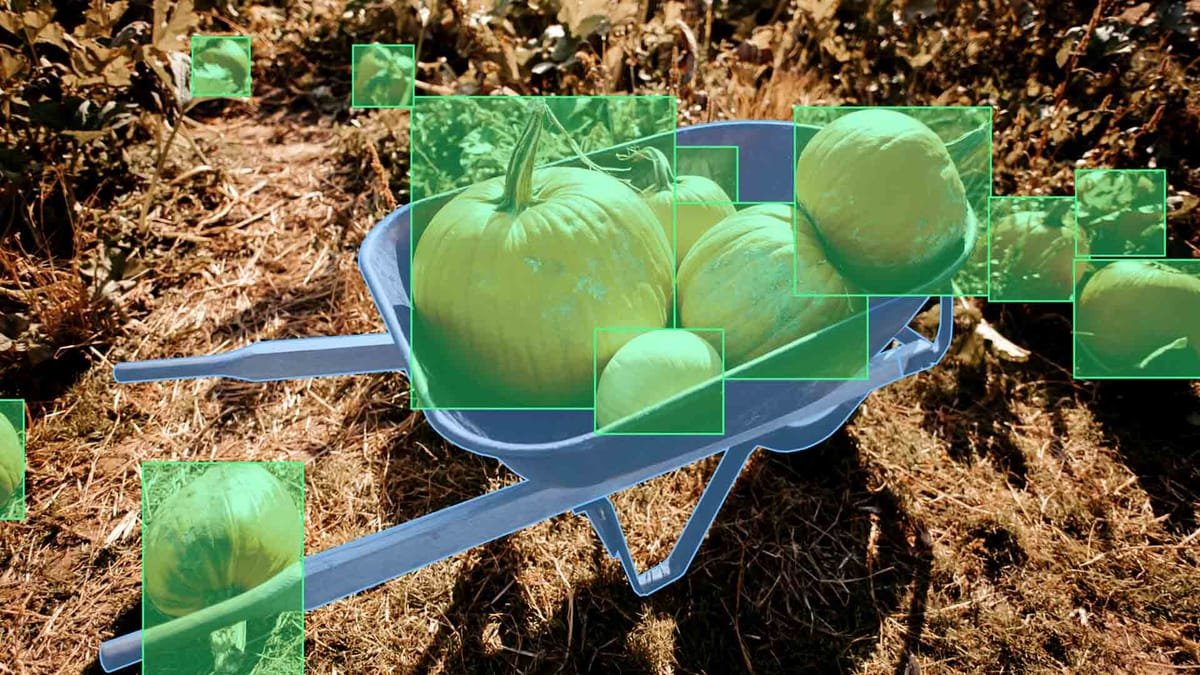
AI powered agriculture tools are helping farmers predict crop yield more accurately by using data driven insights. These technologies are transforming farming practices in India by improving decision making, reducing risks, and increasing productivity.
AI Powered Agriculture Tools Transform Crop Yield Prediction
AI powered agriculture tools helping farmers predict crop yield are becoming increasingly relevant in India as agriculture faces challenges such as climate variability and resource constraints. These tools use artificial intelligence, satellite data, and machine learning models to estimate production outcomes.
Farmers can analyze factors like soil quality, weather patterns, and crop health to make informed decisions. Accurate yield prediction helps in planning harvests, managing supply chains, and reducing losses.
This shift toward data driven farming is part of a broader move toward precision agriculture, where technology enhances efficiency and sustainability.
How AI Tools Work in Modern Farming
AI based agriculture tools rely on multiple data inputs to generate crop yield predictions. Satellite imagery, drone data, and IoT sensors provide real time information about field conditions.
Machine learning algorithms process this data to identify patterns and predict outcomes. For example, AI can assess plant health, detect diseases early, and estimate expected yield based on growth trends.
Weather forecasting integration is another key feature. Data from organizations like India Meteorological Department helps refine predictions by accounting for rainfall and temperature variations.
These insights enable farmers to take timely actions, such as adjusting irrigation, applying fertilizers, or protecting crops from pests.
Benefits for Farmers and Agricultural Productivity
The use of AI powered agriculture tools offers several benefits for farmers. Accurate yield prediction allows better financial planning and reduces uncertainty.
Farmers can optimize resource usage, including water, fertilizers, and labor, leading to cost savings. Early detection of issues helps prevent crop losses and improves overall productivity.
In regions with unpredictable weather, these tools provide a level of predictability that was previously unavailable. This is particularly important for small and marginal farmers.
The technology also supports better market planning by helping farmers decide when and where to sell their produce.
Adoption Trends Across Rural India
Adoption of AI in agriculture is gradually increasing across rural areas, supported by government initiatives and private sector innovation. Startups and agri tech companies are developing user friendly platforms tailored to local needs.
States with strong agricultural activity are seeing higher adoption rates, as farmers become more aware of the benefits. Mobile based applications are making these tools accessible even in remote areas.
Training programs and partnerships with local organizations are helping farmers understand how to use these technologies effectively.
However, adoption levels vary depending on factors such as digital literacy and infrastructure availability.
Challenges in Implementing AI in Agriculture
Despite the potential, several challenges remain in implementing AI powered agriculture tools. Access to reliable data is critical, and gaps in data collection can affect accuracy.
Connectivity issues in rural areas can limit the effectiveness of real time monitoring systems. Cost is another factor, as some technologies may be expensive for small farmers.
There is also a need for training and support to ensure that farmers can use these tools effectively. Without proper understanding, the benefits of AI may not be fully realized.
Data privacy and ownership are emerging concerns as digital platforms collect and analyze agricultural data.
Role of Government and Private Sector
Government initiatives are playing a key role in promoting digital agriculture in India. Programs aimed at improving digital infrastructure and providing financial support are encouraging adoption.
Private companies and startups are driving innovation by developing scalable solutions tailored to Indian conditions. Collaboration between public and private sectors is essential for expanding reach.
Efforts are also being made to integrate AI tools with existing agricultural systems, ensuring that farmers can access multiple services through a single platform.
This ecosystem approach can accelerate the adoption of advanced technologies in farming.
Future Outlook for AI in Indian Agriculture
The future of AI powered agriculture tools in India looks promising as technology continues to evolve. Advances in data analytics, sensor technology, and connectivity will enhance accuracy and usability.
As awareness grows, more farmers are likely to adopt these tools, leading to improved productivity and sustainability. The focus will be on making solutions affordable and accessible to all segments of the farming community.
AI driven agriculture has the potential to transform the sector by enabling smarter decision making and reducing risks associated with farming.
Takeaways
- AI powered agriculture tools are improving crop yield prediction accuracy
- Technology helps farmers optimize resources and reduce risks
- Adoption is growing but varies across regions
- Challenges include cost, data access, and digital literacy
FAQs
Q1. What are AI powered agriculture tools?
They are technologies that use data and machine learning to assist farmers in decision making.
Q2. How do these tools predict crop yield?
They analyze data such as soil conditions, weather patterns, and crop health to estimate production.
Q3. Are these tools accessible to small farmers?
Some solutions are designed to be affordable, but accessibility depends on infrastructure and awareness.
Q4. What is the future of AI in agriculture?
AI is expected to play a major role in improving productivity and sustainability in farming.