






























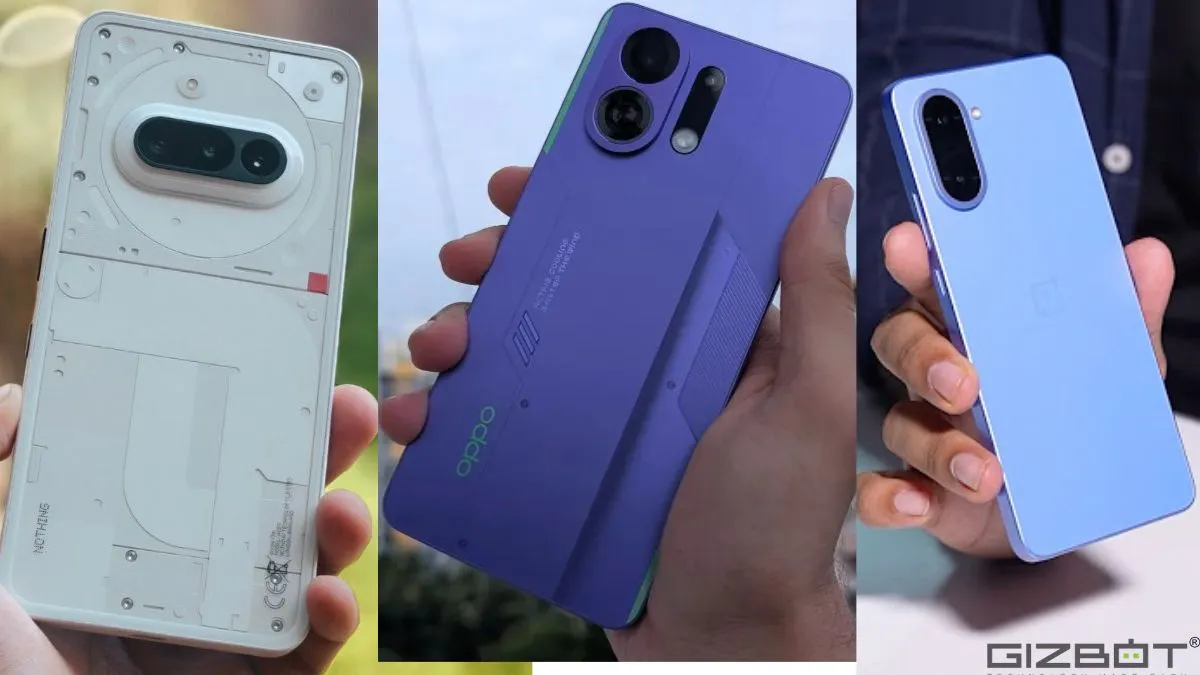
The best smartphones under ₹25,000 in July 2026 offer strong performance, capable cameras, long battery life, fast charging, and reliable software support. Buyers can choose from several well-balanced devices depending on whether gaming, photography, or everyday performance is their top priority.
The topic is time-sensitive because smartphone prices, availability, and model lineups change frequently. This article follows a news-style consumer buying guide based on the current Indian smartphone market as of July 2026.
Best Smartphones Under ₹25,000 in July 2026
The best smartphones under ₹25,000 in July 2026 deliver features that were once reserved for premium devices. Buyers in this segment can now expect AMOLED displays with high refresh rates, powerful processors, multi-camera systems with optical image stabilization on select models, AI-powered features, 5G connectivity, and large batteries with fast charging.
Competition among brands such as Motorola, Nothing, iQOO, Redmi, POCO, Samsung, Realme, Vivo, and OnePlus has made this price category one of the most competitive in India. Choosing the right phone depends on individual priorities such as camera quality, gaming performance, software experience, battery life, or long-term software support.
Performance Leaders for Gaming and Daily Use
Performance remains one of the biggest deciding factors for smartphone buyers. Devices powered by Qualcomm Snapdragon 7 series processors and MediaTek Dimensity 8000 and 9000 series chipsets continue to offer smooth multitasking and efficient gaming performance within this budget.
Phones from iQOO and POCO are particularly popular among gaming enthusiasts because they typically combine powerful chipsets with advanced cooling systems and high refresh rate displays. These devices handle demanding games while maintaining stable frame rates during extended sessions.
Motorola and Nothing focus more on delivering balanced performance with cleaner software experiences. Their phones appeal to users who value smooth day-to-day usage rather than benchmark scores alone.
For most users, 8GB RAM paired with 256GB storage has become the preferred configuration in this price range, offering enough memory for multitasking and future software updates.
Display Quality Has Improved Significantly
Display technology has become a major selling point in the sub-₹25,000 category. Most smartphones now feature AMOLED panels with refresh rates ranging from 120Hz to 144Hz, delivering smoother scrolling and improved gaming responsiveness.
Higher peak brightness also makes outdoor visibility much better than previous generations. Full HD+ resolution remains standard across most leading models, providing sharp visuals for streaming, gaming, and reading.
Several manufacturers now include HDR support for compatible streaming platforms, improving video quality. Slim bezels and modern punch-hole displays contribute to a premium appearance despite the mid-range pricing.
Consumers who frequently watch movies or use social media for long hours may benefit more from choosing display quality over marginal processor improvements.
Camera Performance Continues to Improve
Camera capabilities have seen noticeable progress in this segment. Many smartphones now feature 50MP primary sensors supported by AI image processing, optical image stabilization on selected models, and improved low-light photography.
Motorola and Nothing have gained recognition for delivering natural-looking photographs with balanced color reproduction. Samsung continues to offer consistent image processing and dependable camera software, particularly for casual photography.
Vivo and Realme often emphasize portrait photography and selfie performance, while Redmi and POCO typically focus on delivering versatile camera hardware at competitive prices.
Video recording has also improved, with several smartphones supporting 4K recording, electronic image stabilization, and AI-assisted editing features suitable for content creators.
Although flagship smartphones still outperform mid-range devices in challenging lighting conditions, the difference has narrowed considerably for everyday photography.
Battery Life, Charging and Software Experience
Battery capacity has become increasingly standardized around 5,000mAh to 6,000mAh, allowing most users to comfortably complete an entire day on a single charge.
Fast charging speeds vary by brand, with many devices supporting charging between 45W and 80W. Some models can recharge from nearly empty to around 50 percent within approximately 20 to 30 minutes under ideal conditions.
Software experience has become another important consideration. Motorola and Nothing offer relatively clean Android interfaces with minimal pre-installed applications. Samsung focuses on long-term software updates and security support, making its devices attractive for users planning to keep their phones for several years.
Other manufacturers often include feature-rich custom interfaces that provide extensive customization options, although they may also include additional pre-installed applications.
Consumers should also consider the manufacturer’s software update policy before making a purchase, as regular updates improve both security and long-term usability.
Top Smartphones Worth Considering Under ₹25,000
Several smartphones stand out in the Indian market during July 2026 based on their overall value proposition.
The Motorola Edge series continues to attract buyers seeking clean software and reliable cameras. Nothing Phone models remain popular for their distinctive design and balanced performance. iQOO Neo and Z series devices deliver excellent gaming capabilities and strong processors.
Samsung Galaxy A series smartphones offer dependable software support and trusted brand reliability. Redmi Note and POCO X series continue to provide aggressive specifications at competitive prices, while Realme and Vivo maintain strong positions through fast charging, stylish designs, and capable camera systems.
Instead of focusing only on specifications, buyers should compare software support, after-sales service, battery efficiency, and real-world performance before making a decision.
Which Smartphone Should You Buy?
The ideal smartphone depends on how you plan to use it.
Gamers may prefer devices from iQOO or POCO because of their high-performance processors. Users interested in photography may find Motorola, Samsung, or Nothing better suited to their needs. Those looking for a clean Android experience should consider Motorola or Nothing, while buyers seeking long-term software support may benefit from Samsung’s update commitment.
For most Indian consumers, smartphones under ₹25,000 now provide an excellent balance between performance, design, battery life, cameras, and future software support, making this one of the strongest value segments in the market.
Key Takeaways
- Smartphones under ₹25,000 now offer flagship-inspired features including AMOLED displays and powerful processors.
- Motorola, Nothing, Samsung, iQOO, Redmi, POCO, Vivo, and Realme remain strong choices in this category.
- Buyers should compare software updates, camera quality, battery life, and after-sales service instead of specifications alone.
- Choosing the right smartphone depends on whether gaming, photography, productivity, or everyday reliability is the priority.
Frequently Asked Questions
Q1. Which is the best gaming smartphone under ₹25,000 in July 2026?
Phones from iQOO and POCO generally offer the strongest gaming performance due to their powerful processors, efficient cooling systems, and high refresh rate displays.
Q2. Which smartphone offers the best camera under ₹25,000?
Motorola, Samsung, Nothing, and Vivo offer competitive camera performance, with strengths varying between daylight photography, portrait mode, and video recording.
Q3. Is AMOLED display common under ₹25,000 in 2026?
Yes. Most leading smartphones in this price segment now include AMOLED displays with refresh rates of 120Hz or higher.
Q4. Should buyers prioritize processor or software support?
For long-term satisfaction, buyers should consider both. A powerful processor ensures smooth performance, while regular software and security updates improve device longevity.