




























India is developing practical innovations that are reshaping how people travel, pay, access healthcare and use public services. From digital infrastructure to clean mobility, these technologies are making cities smarter, more efficient and increasingly connected.
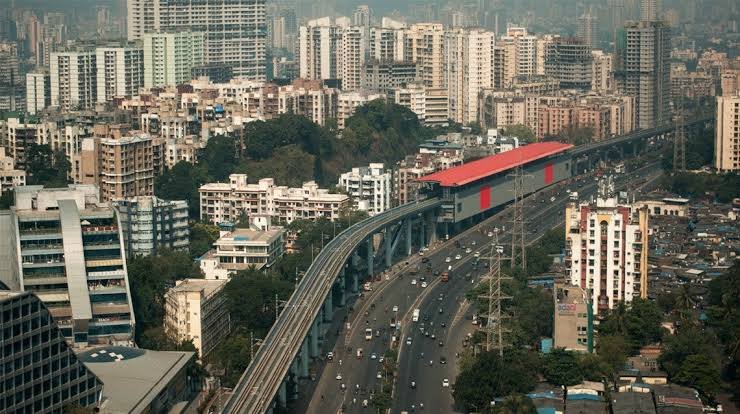
India’s rapid urbanisation is creating new challenges in transport, healthcare, public services and sustainability. At the same time, Indian innovations transforming urban life are offering practical solutions that improve convenience and efficiency for millions of people. Unlike futuristic concepts that remain in laboratories, many of these innovations are already being adopted across Indian cities. They combine technology, digital infrastructure and public policy to solve everyday problems while supporting economic growth.
Unified Payments Interface Has Changed Daily Transactions
One of India’s most influential innovations is the Unified Payments Interface (UPI). Developed by the National Payments Corporation of India, UPI has transformed how people make payments, transfer money and conduct business.
Today, consumers can pay for groceries, taxis, utility bills, online shopping and public transport using a smartphone within seconds. Small vendors who once relied entirely on cash now routinely accept QR code payments, reducing dependence on physical currency.
UPI has also encouraged financial inclusion by making digital payments accessible to people without expensive payment terminals. For small businesses in Tier 2 and Tier 3 cities, the system has simplified transactions while improving transparency. As additional features such as credit on UPI and international acceptance expand, the platform continues to influence India’s digital economy.
Electric Mobility Is Making Cities Cleaner
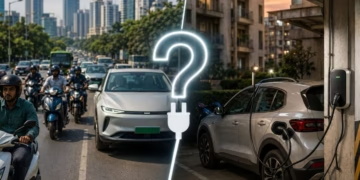
Electric mobility has emerged as another innovation transforming urban transportation. Electric two-wheelers, buses, cars and e-rickshaws are becoming increasingly common as governments promote cleaner transport through incentives and charging infrastructure.
Indian companies are investing in battery technology, vehicle software, charging networks and fleet management systems to improve the ownership experience. Electric buses introduced in several cities have helped reduce local emissions while lowering fuel costs for public transport operators.
Urban commuters also benefit from quieter vehicles and reduced operating expenses compared to conventional fuel-powered alternatives. Although charging infrastructure continues to expand, the rapid growth of electric mobility suggests that cleaner transportation will become an increasingly important part of city life over the coming decade.
Digital Public Infrastructure Improves Government Services
India’s digital public infrastructure has become a global example of technology supporting governance. Platforms built around digital identity, secure document storage and online authentication have simplified access to numerous public and private services.
Citizens can now verify identity, store official documents digitally, access certificates online and complete government procedures without repeatedly visiting physical offices. Businesses also benefit from faster customer verification and simplified compliance processes.
This digital ecosystem reduces paperwork, shortens processing times and improves service delivery. As more government departments integrate with digital platforms, residents are experiencing quicker access to welfare schemes, education records, financial services and healthcare documentation.
Artificial Intelligence Is Enhancing Public Services
Artificial intelligence is moving beyond research laboratories into everyday urban applications. Municipal authorities, hospitals, financial institutions and businesses are increasingly using AI to improve decision-making and customer services.
AI-powered traffic management systems help optimise signal timings in busy intersections. Healthcare providers use artificial intelligence to support medical imaging, diagnostics and patient management. Financial institutions employ AI to detect fraud and improve customer support through intelligent virtual assistants.
Indian startups are also developing AI solutions for agriculture, logistics, education and language translation, making technology more accessible to diverse communities. As AI tools become more affordable, their impact on everyday urban life is expected to expand significantly while supporting productivity across industries.
Smart Waste Management Supports Sustainable Cities
Managing urban waste remains one of India’s biggest challenges. Several cities are addressing this through smart waste management technologies that improve collection, monitoring and recycling.
Sensor-equipped bins can notify authorities when they require emptying, helping optimise collection routes and reducing unnecessary fuel consumption. GPS-enabled waste collection vehicles improve operational efficiency and accountability, while digital monitoring systems assist municipal authorities in tracking service performance.
Some cities are also investing in waste segregation technologies and waste-to-energy projects that reduce landfill dependence while generating renewable energy. Combined with citizen awareness initiatives, these innovations contribute to cleaner neighbourhoods and improved environmental sustainability.
Innovation Will Shape India’s Urban Future
India’s innovation ecosystem is increasingly focused on solving practical urban problems rather than simply introducing new technology. Digital payments, electric mobility, AI, digital public infrastructure and smart waste management all demonstrate how technology can improve everyday life when implemented at scale.
The next phase of urban development is likely to integrate these technologies more closely. Smart transport systems may connect with digital payments, AI could improve municipal planning, and data-driven governance may further enhance public services.
As Indian cities continue to grow, innovation will remain essential for addressing challenges related to congestion, pollution, public service delivery and sustainability. The success of these technologies shows that practical, scalable solutions can significantly improve the quality of urban life while supporting long-term economic development.
Key Takeaways
- UPI has transformed digital payments for consumers and businesses across India.
- Electric mobility is contributing to cleaner and more sustainable urban transport.
- Digital public infrastructure has simplified access to government and financial services.
- AI and smart waste management technologies are improving efficiency in Indian cities.
FAQs
Q1. Which Indian innovation has had the greatest impact on daily life?
UPI is widely regarded as one of India’s most impactful innovations because it has transformed digital payments across consumers, businesses and government services.
Q2. How is artificial intelligence helping Indian cities?
AI is being used in traffic management, healthcare, financial services, customer support and municipal planning to improve efficiency and decision-making.
Q3. Why is electric mobility important for urban India?
Electric vehicles help reduce air pollution, lower operating costs and support India’s transition towards cleaner transportation.
Q4. What is digital public infrastructure?
It refers to technology platforms that enable secure digital identity, document storage, authentication and access to public and private services through integrated digital systems.
(Internal Keyword Suggestions: Indian innovations, smart cities India, UPI innovation, electric mobility India, artificial intelligence India, digital public infrastructure, urban technology India, smart waste management, India technology trends, future of Indian cities)