
























Mumbai’s infrastructure projects are entering another crucial phase in July 2026, with several metro corridors, flyovers, tunnel works, and road projects progressing simultaneously. These developments aim to reduce travel time, improve connectivity, and support the city’s growing population, even as monsoon conditions continue to test ongoing construction and transport systems.
Mumbai’s infrastructure network continues to expand in July 2026, making it one of India’s busiest urban development hubs. From Metro Line 3 improvements to the Coastal Road expansion and new flyovers, several projects are expected to reshape commuting patterns over the next few years. While some projects are nearing completion, others remain under construction and are likely to influence traffic and urban planning across the Mumbai Metropolitan Region.
Metro Network Expansion Continues Across Mumbai
Mumbai Metro remains the backbone of the city’s long-term transport strategy. In recent months, authorities have focused on improving operational readiness, removing construction barricades where structural work has been completed, and preparing metro corridors for smoother movement during the monsoon. These efforts are intended to reduce congestion on major roads while accelerating the completion of pending sections.
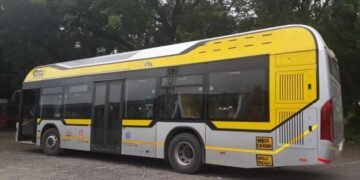
Metro Line 3, Mumbai’s underground corridor, has expanded connectivity in key commercial areas. The opening of additional stations has also prompted residents to seek better integration between metro services and existing public transport such as BEST buses, highlighting the need for stronger last-mile connectivity.
Meanwhile, the Maharashtra government has also approved additional metro expansion projects in the wider Mumbai Metropolitan Region, including Navi Mumbai Metro extensions that are expected to improve regional connectivity over the coming years.
Coastal Road Project Moves Into Its Next Phase
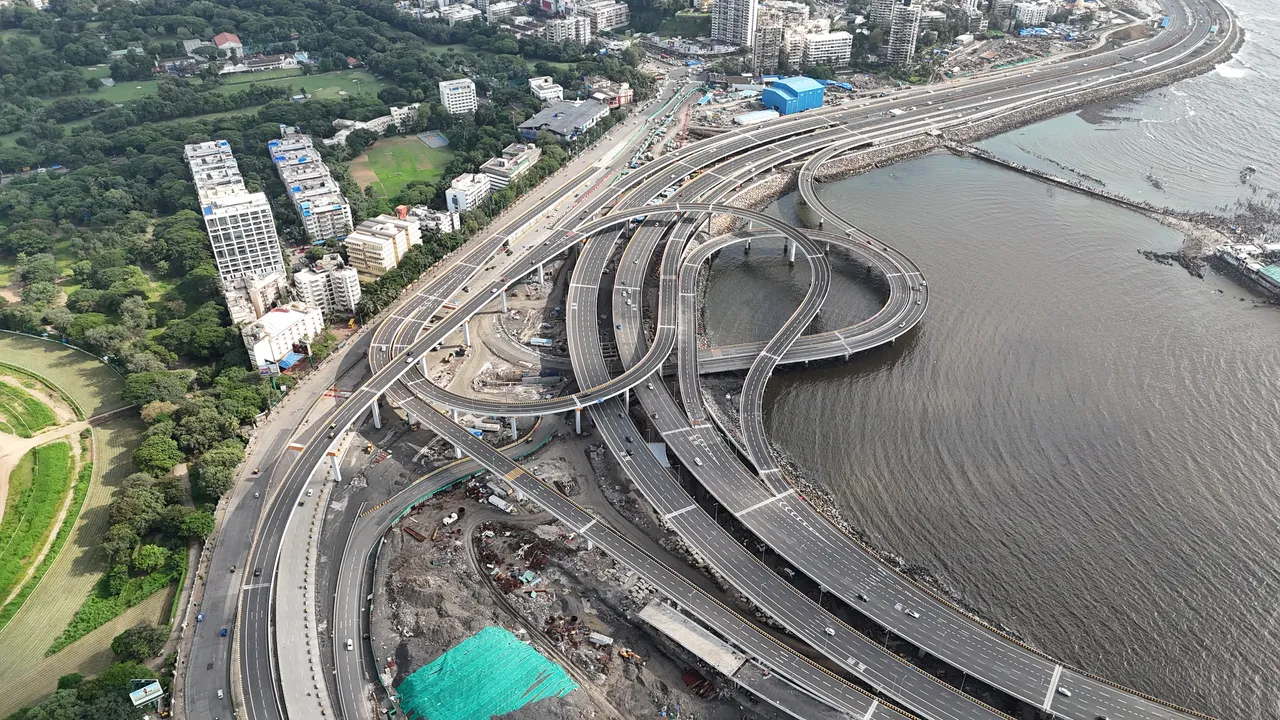
The Mumbai Coastal Road continues to be among the city’s most ambitious infrastructure projects. The operational southern section has already reduced travel time for many commuters, while work on the northern extension connecting Versova to Dahisar is progressing according to current timelines.
Authorities are simultaneously planning multiple connecting roads, flyovers, and junction improvements to ensure the new corridor does not simply shift traffic bottlenecks from one location to another. The broader objective is to create an uninterrupted north-south alternative to the Western Express Highway and other major roads.
During the recent monsoon, water seepage was reported inside one of the Coastal Road tunnels. The Brihanmumbai Municipal Corporation stated that the structure remained safe and carried out repair work after attributing the seepage to hydrostatic pressure caused by heavy rainfall. Separately, a vehicle fire inside the tunnel temporarily disrupted traffic, highlighting the importance of emergency response systems in modern transport infrastructure.
Flyovers and Road Connectivity Projects Near Completion
Apart from metro construction, Mumbai is witnessing steady progress on several road infrastructure projects.
The Vidyavihar flyover has crossed approximately 80 percent completion and is expected to improve east-west connectivity by linking Lal Bahadur Shastri Marg with Ramchandra Chemburkar Marg. Once operational, the project is expected to reduce congestion around Vidyavihar railway station and nearby junctions.
The BMC has also accelerated work on the Sion East-West flyover reconstruction while maintaining strict deadlines for several road concreting, drainage, and civic infrastructure projects before and during the monsoon season.
Major Tunnel Projects Shape Future Connectivity
Road tunnels are becoming an important part of Mumbai’s transport planning as available surface road space becomes increasingly limited.
Among the largest ongoing developments are the Thane-Borivali twin tunnel project and the Orange Gate-Marine Drive tunnel. These projects are designed to reduce travel time significantly while improving east-west movement across the Mumbai Metropolitan Region through underground transport corridors.
In June 2026, Maharashtra’s Infrastructure Committee also approved a major tunnel and elevated corridor connecting Thane and Bhayandar. The project is expected to strengthen connectivity between Mumbai’s northern suburbs and neighboring regions while supporting future traffic demand.
Monsoon Continues to Test Urban Infrastructure
July remains one of Mumbai’s most challenging months due to heavy rainfall.
Despite substantial investment in roads, metro systems, drainage upgrades, and tunnels, intense rainfall continues to expose weaknesses in urban infrastructure. Experts point to changing rainfall patterns, rapid urbanisation, and increased pressure on drainage systems as major reasons why flooding still affects daily life during the monsoon.
Government agencies have therefore placed additional emphasis on monsoon preparedness across metro construction sites by removing unnecessary barricades, improving drainage around work zones, and restoring road space wherever construction permits.
What Mumbai Residents Can Expect
For commuters, July 2026 represents a transition period rather than the completion of Mumbai’s infrastructure transformation.
Several projects are already delivering benefits, including improved metro access and reduced travel times on completed sections of the Coastal Road. Others, including northern Coastal Road extensions, new tunnel corridors, and additional metro lines, will continue over the next few years.
If current timelines are maintained, Mumbai’s transport network is expected to become more integrated, offering faster travel across road, metro, and multimodal transport systems while supporting the city’s long-term economic growth.
Key Takeaways
- Mumbai Metro expansion continues with new connectivity improvements and regional extensions.
- Coastal Road construction is progressing while authorities address monsoon-related operational challenges.
- Major flyovers, tunnels, and road projects are expected to reduce congestion across key corridors.
- Monsoon preparedness remains a major focus to keep infrastructure projects on schedule and minimise disruption.
FAQ
Q1. Which Mumbai infrastructure project is the biggest in July 2026?
The Mumbai Coastal Road expansion and the continued development of Metro Line 3 remain among the city’s largest ongoing infrastructure projects.
Q2. Is the Mumbai Coastal Road fully completed?
No. The southern section is operational, while northern extensions and several connecting road projects remain under construction.
Q3. Which flyover is expected to open soon?
The Vidyavihar flyover has reached around 80 percent completion and is expected to improve east-west traffic movement once opened.
Q4. How is the monsoon affecting infrastructure work?
Heavy rainfall has caused temporary disruptions such as tunnel seepage and traffic incidents, but authorities say construction and maintenance work are continuing with additional safety measures.
(Internal keyword suggestions: Mumbai infrastructure projects July 2026, Mumbai Metro projects, Mumbai Coastal Road update, Metro Line 3 Mumbai, Mumbai flyover projects, Mumbai tunnel projects, Mumbai transport infrastructure, Mumbai development news)