













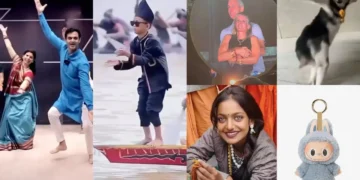



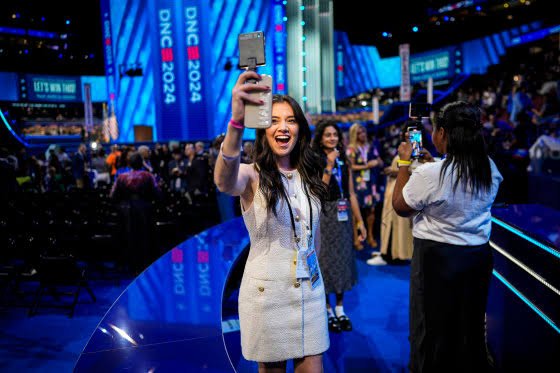
The growing presence of digital creators on Indian television has reignited discussions across the entertainment industry. While influencers bring loyal online audiences and fresh storytelling styles, critics argue that acting skills and professional training should remain the primary criteria for television casting.
The influencers entering television trend has become one of the most talked-about topics in India’s entertainment industry. Over the past few years, television channels, reality shows and OTT platforms have increasingly cast social media creators alongside established actors and television personalities. This shift has sparked a debate about talent, popularity, audience preferences and the changing definition of celebrity in the digital era.
Why Television Is Welcoming Social Media Influencers
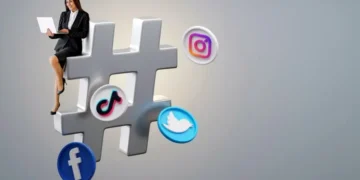
Indian television has undergone significant changes as audience viewing habits continue to evolve. Younger viewers now spend considerable time on platforms such as Instagram, YouTube and Snapchat, making digital creators influential voices with highly engaged communities.
Television producers increasingly view influencers as an opportunity to attract younger audiences who may not regularly watch traditional TV programming. Popular creators often have millions of followers, giving broadcasters access to a ready-made fan base that can increase visibility before a show even premieres.
Reality shows have particularly embraced this strategy. Dance competitions, adventure shows, comedy programs and celebrity-based formats frequently include influencers because they already understand audience engagement, live interaction and content creation.
For broadcasters facing increasing competition from OTT platforms, influencer participation has become both a marketing strategy and a way to remain relevant in a rapidly changing entertainment landscape.
The Debate Between Popularity and Professional Training
The biggest question surrounding influencers entering television is whether online popularity should influence casting decisions.
Many experienced actors believe that acting requires years of training, auditions and continuous learning. They argue that replacing trained performers with internet personalities could reduce opportunities for professionals who have invested significant time in developing their craft.
On the other hand, supporters argue that entertainment has always evolved with changing audience preferences. Just as television welcomed radio presenters, models and film actors in previous decades, today’s influencers represent another generation of entertainers adapting to new platforms.
Casting directors generally maintain that social media following alone is rarely enough to secure long-term success. While digital popularity may create initial interest, sustained careers on television still depend on acting ability, discipline, adaptability and audience acceptance.
Success Stories Show Talent Still Matters
Several digital creators have successfully transitioned into mainstream entertainment by improving their performance skills and accepting professional training.
Some influencers have become television hosts, reality show contestants, comedy performers and even lead actors after proving their capabilities beyond social media. Others have expanded into films and OTT productions by working with acting coaches and gaining practical experience.
However, not every transition has been successful. Some creators have struggled with scripted performances, long production schedules and the demands of traditional television.
Industry experts often point out that audience curiosity may generate initial ratings, but long-term success depends on consistent performances rather than follower counts.
This pattern suggests that while social media can open doors, sustained careers continue to rely on professional competence.
Television and Digital Media Are Becoming Connected
The relationship between television and digital platforms is no longer competitive. Instead, the two industries increasingly support one another.
Television shows actively promote episodes through Instagram Reels, YouTube Shorts and creator collaborations. Influencers, in turn, generate behind-the-scenes content, interviews and promotional campaigns that extend a show’s reach beyond television broadcasts.
This integration has changed how entertainment is marketed. Promotional strategies now combine television advertising with influencer campaigns, live social media sessions and interactive audience engagement.
OTT platforms have accelerated this trend by casting creators in web series, talk shows and reality formats designed specifically for digitally active viewers.
As a result, the boundary between television personalities and digital creators continues to become less distinct.
Audience Expectations Continue to Evolve
Indian viewers today have access to a wider range of entertainment than ever before. They no longer rely solely on television for daily content, making audience preferences more diverse.
Many viewers appreciate influencers because they appear relatable and communicate in a conversational style. Others continue to prefer experienced television actors whose performances reflect years of professional training.
Rather than choosing one group over another, audiences increasingly evaluate performers based on screen presence, authenticity and entertainment value.
This shift has encouraged production houses to cast a mix of established actors, newcomers and digital creators depending on the requirements of individual projects.
The focus is gradually moving away from the platform where a performer became famous and toward their ability to connect with viewers across multiple formats.
What the Future Could Look Like
The discussion around influencers entering television is likely to continue as digital platforms expand further.
Artificial intelligence, short-form video, creator-led production companies and direct audience engagement are reshaping the entertainment business. Television networks are adapting by collaborating with creators who already understand digital storytelling and audience behaviour.
At the same time, acting schools and professional training remain valuable because scripted television demands emotional depth, consistency and technical performance skills.
Industry observers believe the future will favour individuals who combine creative talent with digital influence rather than relying exclusively on either.
Ultimately, television is becoming more inclusive, but success will continue to depend on dedication, continuous learning and the ability to entertain audiences across both traditional and digital platforms.
Key Takeaways
- Television channels are increasingly casting influencers to attract younger and digitally active audiences.
- The debate centres on whether online popularity should outweigh professional acting experience.
- Successful creator-to-television transitions usually involve talent, training and adaptability rather than follower count alone.
- Television and digital media are becoming increasingly interconnected through cross-platform content and promotion.
FAQs
Why are influencers appearing on television more frequently?
Television networks see influencers as a way to reach younger audiences, increase online engagement and strengthen promotional campaigns through social media.
Does having millions of followers guarantee television success?
No. While popularity may create opportunities, long-term success depends on acting ability, professionalism, audience acceptance and consistent performance.
Are influencers replacing television actors?
Not entirely. Most productions continue to cast experienced actors while also including digital creators where appropriate. Both groups now often work together.
Will this trend continue in India?
Industry trends suggest that collaborations between television, OTT platforms and digital creators will continue to grow as audience viewing habits evolve.
(Internal keyword suggestions: influencers entering television, influencer to TV career, Indian television industry, digital creators India, social media influencers, OTT creators, reality show influencers, television casting trends, creator economy India, entertainment industry India)