



















Delhi’s Electric Vehicle Policy 2026 is facing an adoption challenge, with subsidies for electric auto-rickshaws and commercial goods vehicles attracting very few applications. High vehicle costs, limited charging infrastructure and technical problems with the subsidy portal are emerging as major barriers ahead of the January 2027 registration deadline.
Delhi EV Policy 2026: Commercial Vehicle Subsidies See Weak Response
Delhi’s electric vehicle adoption strategy is facing questions after government data revealed limited interest in incentives for commercial electric vehicles.
Nearly five months after the Delhi Electric Vehicle Policy 2026 came into effect, the government had received no applications for the purchase subsidy offered to electric auto-rickshaws. Applications for electric goods carriers stood at just 37, according to a report published by The Indian Express on November 25.
The response to vehicle scrapping incentives has also been limited. No applications had been received for the Rs 25,000 incentive offered for scrapping conventional-fuel three-wheelers, while only one application had been submitted for the Rs 50,000 goods vehicle scrapping incentive.
The figures have raised concerns about whether financial incentives alone can persuade commercial vehicle operators to switch from petrol, diesel and CNG vehicles to electric alternatives.
The situation is particularly important because Delhi plans to move towards electric-only registrations in selected vehicle categories, beginning with three-wheelers in January 2027.
Delhi EV Policy 2026: What Subsidies Are Being Offered?
The Delhi government introduced its Electric Vehicle Policy 2026 to accelerate the adoption of electric mobility and reduce pollution from conventional vehicles.
The policy, notified on June 30 and implemented from July 1, 2026, provides purchase and scrapping incentives across different vehicle categories.
For electric auto-rickshaws, the purchase incentive is Rs 50,000 during the first year. It will reduce to Rs 40,000 in the second year and Rs 30,000 in the third year.
Electric goods vehicles are eligible for purchase incentives of up to Rs 1 lakh during the first year, with the amount declining in subsequent years.
The policy also provides incentives for scrapping older conventional-fuel vehicles when owners purchase eligible electric replacements.
These include:
- Rs 25,000 for scrapping an eligible conventional-fuel three-wheeler.
- Rs 50,000 for scrapping an eligible goods vehicle.
- The scrapping incentive is linked to purchasing a new electric vehicle within six months of obtaining the required Certificate of Deposit from an authorised scrapping facility.
The declining incentive structure is intended to encourage early adoption. However, the latest application figures suggest that the financial benefits have not yet overcome the practical difficulties faced by commercial operators.
Why Electric Auto-Rickshaw Subsidies Are Not Attracting Buyers
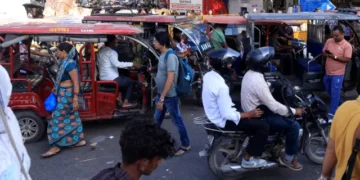
Electric auto-rickshaws are an important part of Delhi’s public transport network. Thousands of drivers depend on three-wheelers for their daily income, making the economics of switching vehicles a major consideration.
One of the biggest concerns is the initial purchase price. Electric commercial vehicles can cost more than their conventional-fuel alternatives, creating a financial challenge for drivers who operate on limited savings.
Although the government offers a Rs 50,000 subsidy, some drivers believe the amount is insufficient to justify the additional expense.
Charging time is another concern. CNG auto-rickshaws can be refuelled relatively quickly, allowing drivers to return to work without losing much operating time. Electric vehicles require access to compatible charging facilities and sufficient time for battery charging.
For drivers who depend on completing multiple trips throughout the day, even a few hours of lost operating time can affect earnings.
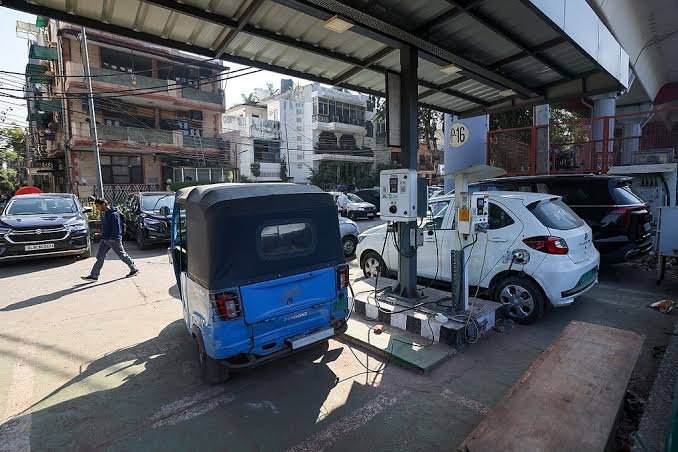
The availability of charging points also matters. Without convenient charging facilities near residential areas, transport hubs and commercial locations, drivers may find it difficult to plan their daily routes.
Rajender Soni, general secretary of the Delhi Auto Rickshaw Sangh, told The Indian Express that charging infrastructure and charging time were major concerns. He also argued that the purchase subsidy should be increased to Rs 1.5 lakh to encourage drivers to switch.
These concerns highlight why commercial vehicle adoption requires more than an attractive purchase incentive.
High EV Costs and Charging Infrastructure Affect Goods Vehicle Adoption
Electric goods carriers face a different set of challenges from passenger auto-rickshaws.
Small transport businesses often operate on narrow profit margins. Purchasing a new vehicle involves evaluating the initial cost, loan repayments, maintenance expenses, battery performance and expected daily earnings.
An electric goods vehicle may offer lower running costs under suitable operating conditions, but buyers must first be confident that the investment will generate sufficient savings over time.
Charging infrastructure is especially important for commercial goods vehicles because they frequently operate according to delivery schedules.
A vehicle that spends several hours charging may affect the number of deliveries a driver can complete. Businesses therefore need reliable access to charging stations, suitable charging speeds and predictable operating costs.
Transport operators have also raised concerns about electric vehicle maintenance expenses and the resale value of older vehicles.
Shyam Sundar, general secretary of the Delhi NCR Transport Ekta Manch, told The Indian Express that the incentives were not attractive enough for some operators. He also pointed out that selling an old vehicle in the second-hand market could provide a better financial return than scrapping it for an incentive.
For small transport businesses, these calculations are important because replacing a vehicle can directly affect household income and business operations.
Delhi EV Subsidy Portal Glitches Create Additional Problems
Apart from financial and infrastructure concerns, technical issues with the Delhi EV subsidy portal have emerged as another obstacle.
According to The Indian Express, industry executives have reported that certain electric goods vehicle models certified under central government schemes are not appearing on the Delhi EV portal.
This creates difficulties for buyers trying to establish whether a particular vehicle qualifies for the state incentive.
Electric goods carriers fall under the N1 category of light four-wheeler goods vehicles. To qualify for the subsidy, eligible models must meet localisation requirements adopted from central government electric vehicle schemes. These requirements relate to the domestic manufacturing or assembly of major vehicle components.
An industry executive told The Indian Express that customers had approached manufacturers after finding that some certified models were not listed as eligible on the portal.
Manufacturers have reportedly raised the issue with the government.
Government sources, however, indicated that the number of commercially available models meeting the localisation requirements remains limited.
This creates a two-sided problem. Buyers cannot claim incentives for models that are not recognised by the portal, while the number of eligible vehicles available in the market is also restricted.
Resolving these issues will be important if the government wants to increase participation in its commercial EV subsidy programme.
Why Electric Two-Wheelers Are Getting a Better Response
The contrast between electric commercial vehicles and electric two-wheelers provides another insight into Delhi’s EV adoption pattern.
Government data reported by The Indian Express showed that electric two-wheeler purchase incentives had received 12,584 applications by November 25.
This is significantly higher than the response for electric auto-rickshaws and goods carriers.
There are several possible reasons for the difference.
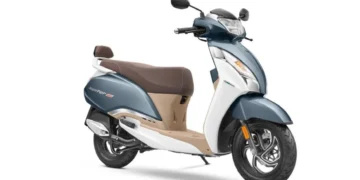
Electric two-wheelers generally involve a lower purchase investment than commercial electric vehicles. They are also easier for individual buyers to integrate into everyday travel, particularly for short-distance commuting.
Charging a personal electric scooter at home can also be more convenient for people with access to suitable parking and electrical connections.
Commercial operators, on the other hand, need to consider vehicle availability, daily mileage, charging downtime, business income and maintenance arrangements.
The difference suggests that EV adoption is not driven by purchase incentives alone. Vehicle prices, usage patterns, charging access and the financial risks associated with switching all influence buying decisions.
The government will therefore need to consider the specific requirements of each vehicle category rather than assuming that the same incentive structure will work equally well for every buyer.
January 2027 Deadline Raises Questions About Delhi’s EV Transition
One of the most important developments under Delhi’s EV Policy 2026 is the upcoming registration requirement for three-wheelers.
From January 1, 2027, only electric L5-category three-wheelers will be eligible for new registrations in Delhi under the policy.
The deadline is significant because it gives commercial operators limited time to understand the eligibility rules, evaluate electric alternatives and arrange financing.
The low number of applications for electric auto subsidies has therefore raised questions about how smoothly the transition will take place.
The government will need to ensure that eligible electric models are available, charging facilities are accessible and subsidy applications can be processed without unnecessary technical difficulties.
For drivers who cannot immediately afford an electric vehicle, financing support and access to reliable information will also matter.
The transition is not simply about changing the type of vehicle on the road. It involves changes to the financial arrangements, daily operating schedules and infrastructure supporting commercial transport.
If these practical concerns remain unresolved, the registration deadline could create additional pressure for drivers and small transport businesses.
What the Delhi Government Needs to Address to Improve EV Adoption
The latest subsidy figures suggest that Delhi’s electric mobility programme needs stronger implementation support, particularly for commercial vehicles.
Several measures could help improve adoption.
1. Increase access to charging infrastructure
Charging facilities need to be available near auto stands, transport hubs, markets, warehouses and commercial areas. Reliable charging access can reduce concerns about lost working hours.
2. Resolve subsidy portal problems
Eligible vehicle models should be accurately listed on the government portal. A simpler application process and timely grievance resolution can improve buyer confidence.
3. Review financial assistance
The government could assess whether existing incentives adequately address the additional purchase costs faced by small operators. Financing assistance and suitable loan products may also help.
4. Improve vehicle availability
Commercial buyers need access to a wider selection of eligible electric auto-rickshaws and goods carriers. Limited model availability can restrict the effectiveness of subsidies.
5. Support small transport businesses
Drivers and small fleet operators need clear information about battery warranties, maintenance expenses, charging costs and resale value before committing to a new vehicle.
These measures could help make electric commercial vehicles a more practical option rather than relying primarily on registration deadlines and financial incentives.
Can Delhi’s EV Policy Achieve Its Pollution Reduction Goals?
Delhi’s electric vehicle policy is closely connected to the city’s broader air pollution management strategy.
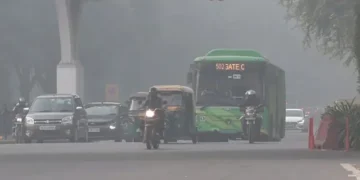
The transport sector is a major contributor to Delhi’s pollution burden. The Commission for Air Quality Management (CAQM) has informed the Supreme Court that vehicular emissions account for approximately 23% of the capital’s winter air pollution.
Commercial vehicles are particularly important because auto-rickshaws and goods carriers can accumulate substantial daily mileage.
Electrifying these vehicles could reduce tailpipe emissions and help improve urban air quality. However, the actual environmental benefits will depend on how widely electric alternatives are adopted and how the electricity used to charge them is generated.
The government’s decision to prioritise commercial transport therefore has a clear environmental objective.
However, the latest subsidy application figures show that policy ambition and consumer readiness do not always move at the same speed.
Delhi’s experience could also provide useful lessons for other Indian cities planning to electrify public transport, delivery vehicles and small commercial fleets.
What Lies Ahead for Delhi’s Electric Vehicle Market?
Delhi’s EV Policy 2026 has established financial incentives and registration timelines intended to accelerate the shift towards electric mobility.
However, the limited response from commercial vehicle buyers highlights the importance of addressing practical adoption barriers.
For auto-rickshaw drivers, charging time, vehicle prices and daily earnings remain important considerations. For goods vehicle operators, financing, maintenance, model availability and charging infrastructure influence purchasing decisions.
The response to electric two-wheeler incentives shows that adoption can be stronger when vehicle costs and everyday usage requirements are more manageable.
As the January 2027 registration deadline approaches, the government’s ability to resolve portal issues, improve charging access and make eligible vehicles affordable will become increasingly important.
The larger challenge for Delhi is to ensure that its electric mobility transition works for the people who depend on commercial vehicles for their livelihoods, while also supporting the city’s pollution reduction objectives.
Key Takeaways
- Delhi’s EV Policy 2026 has received no purchase subsidy applications for electric auto-rickshaws and only 37 for electric goods carriers, according to government data reported on November 25.
- High vehicle prices, insufficient charging infrastructure and technical problems with the subsidy portal are among the major adoption barriers.
- Electric two-wheeler incentives have received 12,584 applications, showing a significant difference in demand across vehicle categories.
- From January 1, 2027, only electric L5-category three-wheelers will be eligible for new registrations in Delhi under the policy.
Frequently Asked Questions
1. Why are Delhi’s commercial EV subsidies receiving limited applications?
High upfront vehicle costs, concerns about maintenance, inadequate charging infrastructure and technical problems with the subsidy portal are contributing to the weak response from commercial vehicle buyers.
2. How much subsidy does Delhi offer for electric auto-rickshaws?
Delhi offers Rs 50,000 during the first year of its EV Policy 2026. The incentive reduces to Rs 40,000 in the second year and Rs 30,000 in the third year.
3. When will Delhi allow only electric three-wheelers for new registrations?
From January 1, 2027, only electric L5-category three-wheelers will be eligible for new registrations under the Delhi EV Policy 2026.
4. How many applications have Delhi’s electric two-wheeler subsidies received?
The Indian Express reported 12,584 applications for electric two-wheeler purchase incentives as of November 25, 2026, compared with no purchase applications for electric auto-rickshaws.