































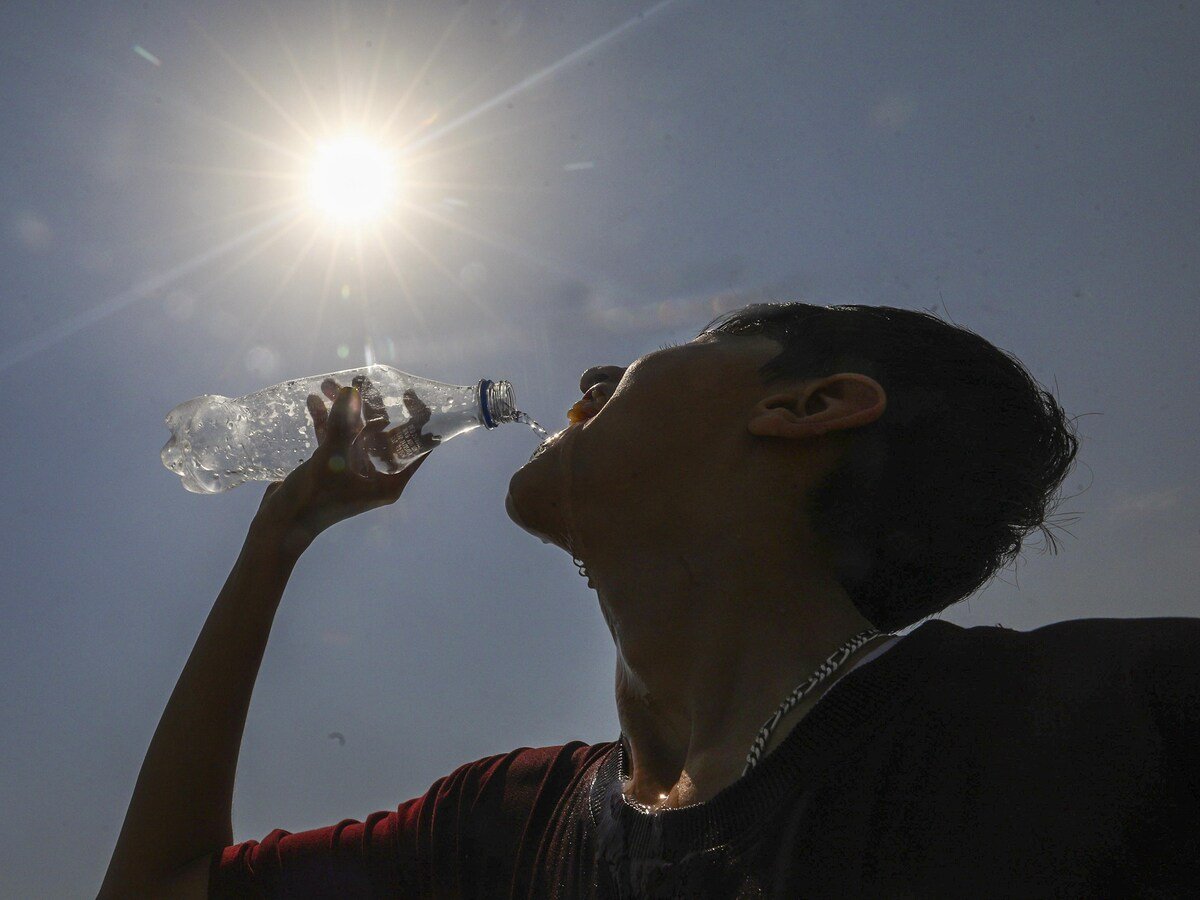
As temperatures climb across the national capital, Delhi is once again facing a familiar double challenge: intense heatwave conditions and deteriorating air quality. Health experts and authorities are urging residents to take precautions as summer conditions become more severe.
Delhi Air Quality and Heatwave Risks Increase in May
Delhi air quality and heatwave concerns tend to intensify during May and June, when high temperatures, dry winds, and stagnant atmospheric conditions combine to worsen pollution levels.
The India Meteorological Department (IMD) typically issues heatwave alerts when temperatures rise significantly above normal. In Delhi, daytime highs frequently cross 40 degrees Celsius during this period.
At the same time, pollutants such as dust, vehicle emissions, and industrial particles can accumulate when wind speeds are low. This can push the Air Quality Index (AQI) into poor or very poor categories.
The combination of heat stress and polluted air creates a greater health burden, especially for vulnerable groups.
Why Air Quality Often Worsens During Extreme Heat
Many people associate Delhi pollution with winter, but summer can also produce unhealthy air.
Hot and dry conditions increase dust levels from construction sites, roads, and open land. Ozone pollution may also rise when sunlight reacts with vehicle emissions and industrial gases.
Low wind movement can trap pollutants near the ground, particularly in densely populated areas.
Even when AQI readings are better than winter peaks, the body may still experience greater strain because high temperatures reduce the ability to cope with polluted air.
This is why doctors advise caution during prolonged heatwave periods.
Health Impact of Heatwave and Pollution Together
Exposure to extreme heat and poor air quality can lead to dehydration, headaches, fatigue, breathing difficulty, and aggravation of heart and lung conditions.
Children, senior citizens, outdoor workers, and people with asthma or cardiovascular disease are at higher risk.
Symptoms of heat exhaustion include dizziness, excessive sweating, nausea, and muscle cramps. In severe cases, heatstroke can become a medical emergency.
Doctors recommend staying hydrated, limiting outdoor activity during peak afternoon hours, and seeking cool indoor environments whenever possible.
Air purifiers and well-fitted masks may help sensitive individuals when pollution levels rise.
Government Measures and Public Advisories
Authorities in Delhi typically issue public health advisories during severe weather.
Municipal agencies may increase water distribution, prepare cooling arrangements, and monitor hospitals for heat-related cases.
The Commission for Air Quality Management and local agencies also continue efforts to control dust and emissions from construction and transport.
Schools and employers sometimes adjust schedules if conditions become especially harsh.
Residents are encouraged to follow updates from the IMD and official AQI platforms.
How Delhi Residents Can Stay Safe
Simple precautions can significantly reduce risk.
Drink water regularly, even if you do not feel thirsty. Wear light-colored clothing and avoid strenuous activity during the hottest part of the day, usually between noon and 4 PM.
Keep windows closed during dusty periods if indoor air quality is affected.
Use public transport or carpooling where possible to reduce emissions and avoid long exposure outdoors.
People with respiratory issues should keep prescribed medications readily available.
Why This Matters Beyond Delhi
The challenges facing Delhi reflect a broader issue for Indian cities experiencing rising temperatures and increasing pollution.
As climate variability intensifies, urban centers will need stronger public health planning, greener infrastructure, and cleaner transport systems.
Delhi’s experience serves as a reminder that heat and air quality are interconnected concerns, not separate problems.
For residents, awareness and preparation remain the most effective tools for staying safe during peak summer.
Key Takeaways
- Delhi is facing renewed concerns over both heatwave conditions and air quality.
- High temperatures can worsen dust and ozone pollution.
- Vulnerable groups face greater health risks from combined heat and pollution.
- Hydration, limited outdoor exposure, and monitoring official alerts are essential.
FAQs
What temperature qualifies as a heatwave in Delhi?
The IMD declares a heatwave when temperatures exceed defined thresholds relative to normal conditions.
Can air quality worsen during summer?
Yes. Dust and ozone pollution often increase during hot, dry weather.
Who is most at risk?
Children, older adults, outdoor workers, and people with respiratory or heart conditions.
How can residents protect themselves?
Stay hydrated, avoid afternoon sun, and monitor AQI and weather alerts.