




















Prime Minister Narendra Modi’s appeal asking Indians to postpone gold purchases and reduce fuel consumption for a year has sparked a wave of memes, political reactions, and serious household budget discussions. The remarks come as rising crude oil prices and global tensions put pressure on India’s economy.
Why PM Modi Asked Indians to Buy Less Gold and Use Less Fuel
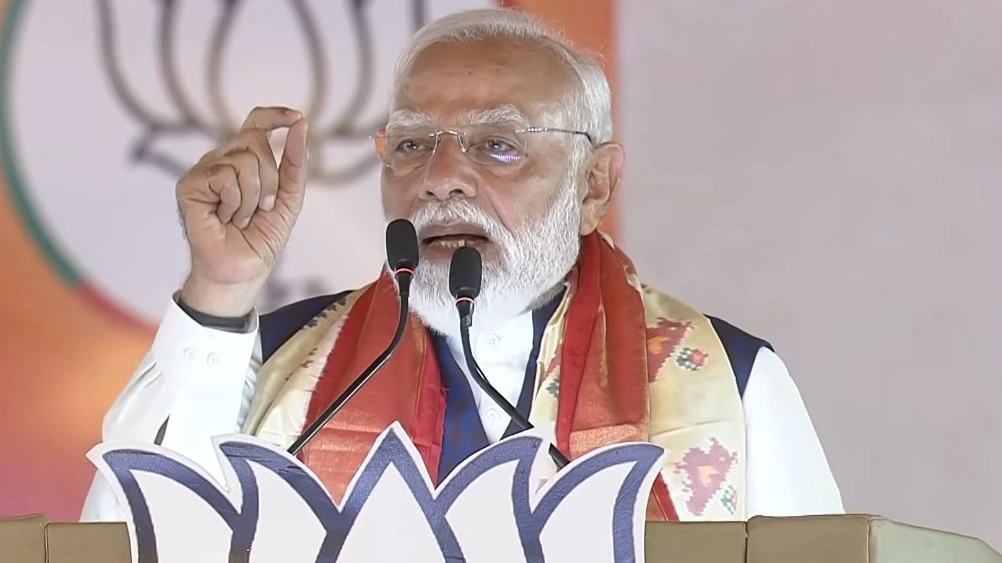
Prime Minister Narendra Modi made the appeal during a public address in Hyderabad on May 10, 2026, against the backdrop of escalating tensions in West Asia and a sharp rise in global crude oil prices.
The main message was straightforward: if citizens voluntarily reduce non-essential spending on imported items such as gold and fuel, India can conserve foreign exchange and reduce economic stress.
Modi urged people to:
- Avoid buying non-essential gold for one year
- Cut petrol and diesel usage
- Use public transport and carpooling
- Revive work-from-home practices where possible
- Prefer domestic travel over foreign vacations
- Buy more Made-in-India products
The appeal was framed as a patriotic response to global uncertainty rather than a formal government order.
Why Gold Purchases Matter to India’s Economy
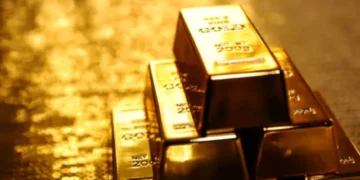
Gold has a special place in Indian households, especially during weddings and festivals. But economically, gold is a major import item.
India imports large quantities of gold every year, and those purchases are paid for in US dollars. When gold imports rise alongside expensive crude oil imports, the country needs more foreign currency, which can put pressure on the rupee.
This is why policymakers often discourage excessive gold buying during periods of economic stress.
For families, gold is a traditional investment and symbol of security. For the economy, however, high gold imports can widen the current account deficit.
Rising Crude Oil Prices Behind the Appeal
The larger concern is the surge in crude oil prices following geopolitical tensions around the Strait of Hormuz, a crucial global oil shipping route.
India imports most of its crude oil requirements. When oil prices rise sharply, the country’s import bill increases, affecting inflation, the rupee, and government finances.
By encouraging fuel conservation, the government hopes to reduce demand and soften the impact of higher global energy costs.
Suggestions such as using metro rail, electric vehicles, and railways for goods transport are aimed at reducing petroleum dependence.
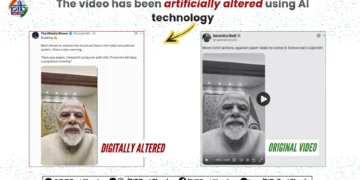
Memes and Social Media Reactions Go Viral
As expected, social media responded quickly.
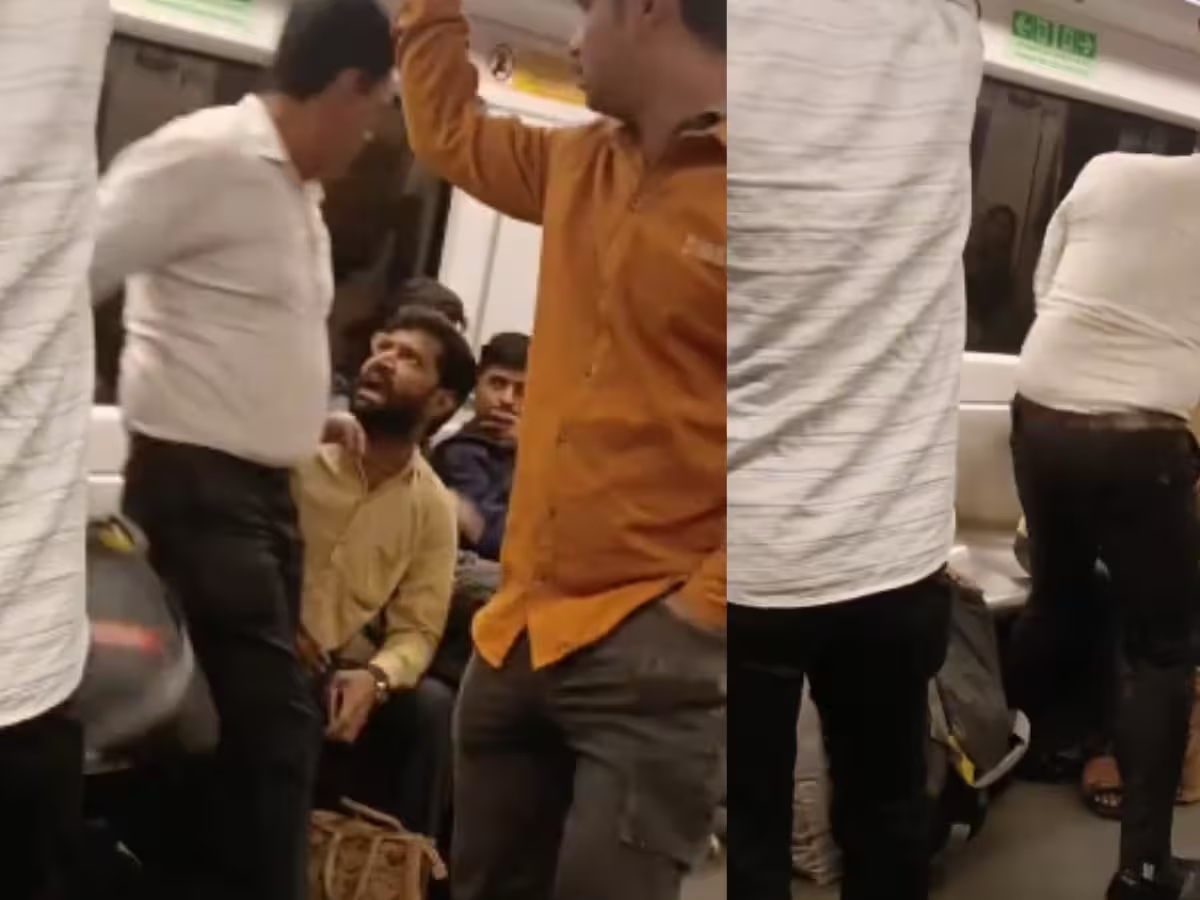
Users shared memes joking about Indian weddings without gold jewellery, families switching to video calls, and office employees wondering if work-from-home would make a comeback.
Some users praised the message as practical and timely. Others questioned whether middle-class households should bear the burden of global economic shocks.
The viral reaction helped turn a policy-style speech into one of the most discussed topics online.
Political Reactions and Criticism
Opposition leaders criticized the appeal, arguing that asking people to postpone gold purchases and foreign travel reflects economic challenges facing the country.
Congress leader Rahul Gandhi called the message a sign of policy failure, while supporters of the government said it was a preventive step to protect the economy.
Market reaction was also notable. Shares of jewellery companies and travel-related stocks came under pressure after the speech, reflecting concerns that consumers may cut discretionary spending.
What This Means for Indian Families
For many households, the appeal is less about immediate sacrifice and more about reconsidering optional expenses.
Families planning weddings may still buy essential jewellery, but some could delay larger purchases. Others may focus on budgeting more carefully if fuel prices continue to rise.
The message also reinforces a broader idea: small changes in consumer behavior, when adopted by millions of people, can have a measurable economic impact.
Is This a Government Rule?
No. PM Modi’s comments were an appeal, not a legal restriction.
There is no ban on buying gold, traveling abroad, or using personal vehicles. Individuals remain free to make their own financial decisions.
The significance lies in the economic reasoning and the possibility that many people may voluntarily adjust their spending.
Key Takeaways
- PM Modi urged Indians to avoid non-essential gold purchases for one year.
- The appeal aims to conserve foreign exchange during a period of high oil prices.
- Social media reactions ranged from humorous memes to serious economic discussions.
- The statement is advisory in nature and does not impose any legal restrictions.
FAQs
Why did PM Modi ask people not to buy gold?
Because gold imports require foreign currency and can increase pressure on India’s external finances during economic stress.
Is there a ban on gold purchases?
No. The Prime Minister’s remarks were a voluntary appeal, not a policy restriction.
Why was fuel conservation emphasized?
India imports most of its crude oil, so reducing fuel use can lower the country’s import bill.
Will this affect weddings and festivals?
There are no restrictions, but some families may choose to delay large jewellery purchases.