




























Rising heatwaves across India are forcing cities to explore smart cooling infrastructure solutions as extreme temperatures increasingly affect public health, transportation, electricity demand, and urban living conditions. Governments, planners, and technology companies are now testing new cooling strategies to make cities more climate-resilient.
Heatwaves Are Becoming a Serious Urban Challenge in India
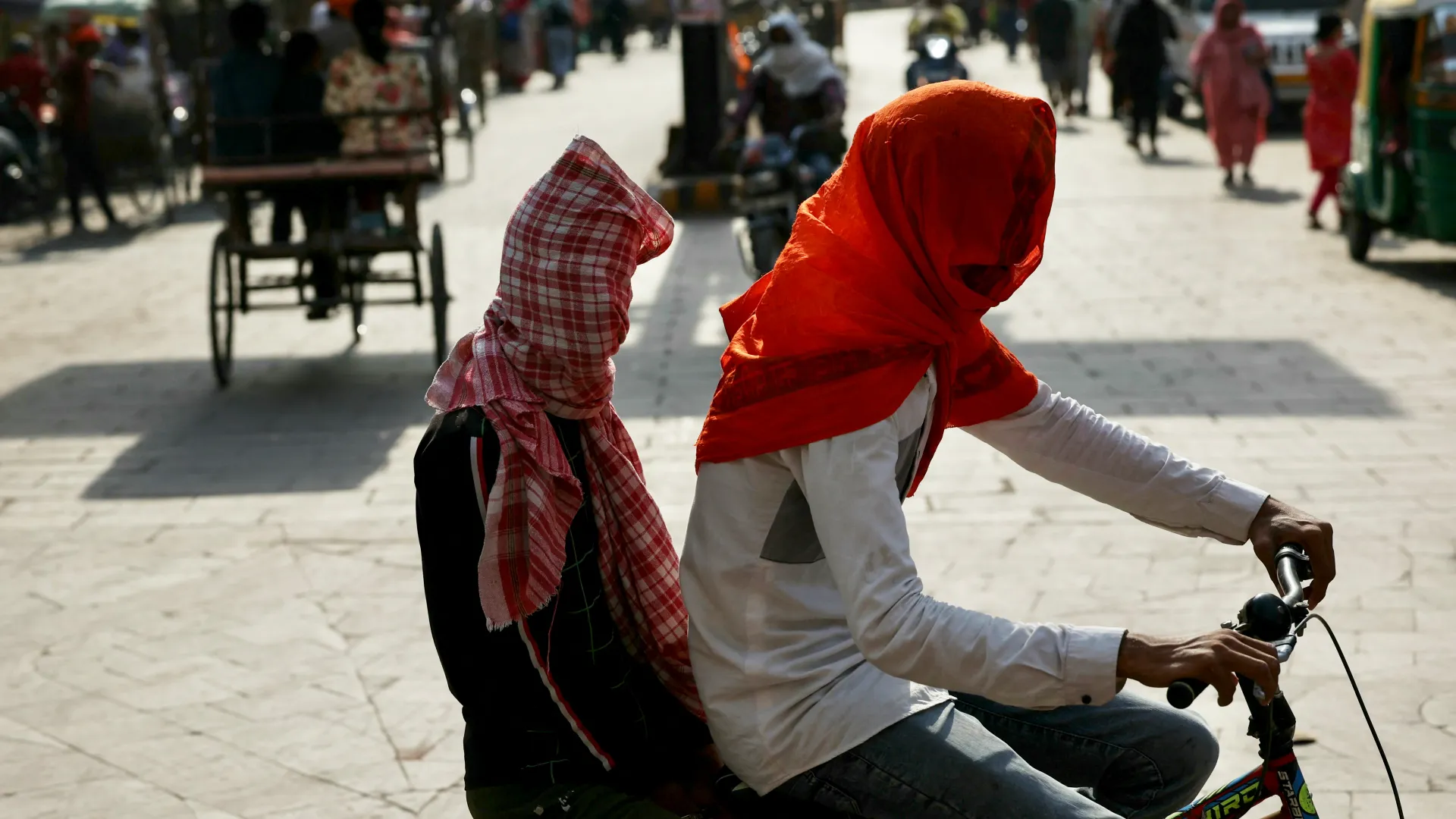
India’s recurring heatwaves have become one of the country’s biggest urban climate challenges in 2026. Several cities across North, Central, and Western India continue reporting temperatures above 40 degrees Celsius during peak summer months, affecting millions of residents daily.
The impact extends far beyond discomfort. Extreme heat influences public health systems, transportation efficiency, water demand, workplace productivity, and electricity consumption. Urban areas face even greater pressure because of the “urban heat island effect,” where concrete surfaces, traffic congestion, and dense infrastructure trap heat more intensely than surrounding rural regions.
Cities such as Delhi, Nagpur, Ahmedabad, and Hyderabad have increasingly focused on heat management planning over recent years.
As temperatures continue rising, urban planners are now treating heatwaves not just as seasonal weather events but as long-term infrastructure challenges requiring technological and policy-based responses.
This shift has accelerated interest in smart cooling systems, climate-responsive architecture, and sustainable urban planning solutions.
What Smart Cooling Infrastructure Actually Means
Smart cooling infrastructure refers to urban systems and technologies designed to reduce heat exposure, improve airflow, lower surface temperatures, and protect residents during extreme heat conditions.
These solutions include cool roofs, shaded bus stops, reflective road materials, heat-resistant construction designs, urban forests, smart water systems, and temperature-monitoring technologies.
Some cities are installing reflective paint coatings on rooftops and roads to reduce heat absorption. Others are expanding tree cover and shaded pedestrian areas to improve outdoor comfort.
Smart sensors are also becoming important tools in heat management planning. These systems monitor local temperature hotspots, humidity levels, and air quality conditions in real time, helping city authorities respond more efficiently during heatwaves.
Public cooling centers, misting systems, climate-responsive urban layouts, and energy-efficient building designs are also part of broader smart cooling strategies now being discussed in India.
Experts say the goal is not only to reduce temperature levels but also to improve long-term urban resilience against worsening climate conditions.
Ahmedabad’s Heat Action Plan Became an Early Model
Ahmedabad is often cited as one of India’s earliest examples of organized urban heat management planning. The city introduced a Heat Action Plan after experiencing severe heat-related fatalities during previous extreme summer events.
The initiative focused on public awareness campaigns, early warning systems, emergency medical preparedness, and coordination between weather agencies and local authorities.
Since then, several Indian cities have studied similar approaches while expanding efforts toward infrastructure-level cooling solutions.
Experts believe future urban planning will increasingly combine emergency heat response systems with long-term design strategies. Simply issuing heat alerts may no longer be sufficient as temperatures continue increasing across multiple regions.
Climate researchers also emphasize that low-income communities often face the highest heat exposure risks because of crowded housing conditions, poor ventilation, and limited access to cooling devices like air conditioners.
As a result, affordable public cooling infrastructure is becoming an important part of urban policy discussions.
Smart Cooling Could Reduce Pressure on Electricity Systems
India’s rising temperatures are also placing enormous pressure on electricity infrastructure. During heatwaves, air conditioner and cooling appliance usage increases sharply, creating peak power demand across cities.
Experts warn that relying only on air conditioning is not a sustainable long-term solution, especially as energy demand continues growing rapidly.
Smart cooling infrastructure aims to reduce dependence on energy-intensive cooling methods by lowering ambient urban temperatures naturally or through passive design systems.
Cool roofs, for example, can significantly reduce indoor temperatures in homes and commercial buildings without excessive electricity consumption. Urban tree cover helps reduce heat retention while improving air quality simultaneously.
Energy-efficient building materials and ventilation-focused architecture are also gaining importance among developers and city planners.
Several startups and climate-tech companies are now working on affordable cooling innovations specifically designed for Indian weather conditions and urban density challenges.
Industry experts believe climate-adaptive infrastructure may become one of India’s fastest-growing urban technology sectors over the next decade.
Tier-2 Cities Are Also Exploring Cooling Solutions
The conversation around heat resilience is no longer limited to metro cities. Tier-2 urban centers including Indore, Pune, and Lucknow are also facing increasingly intense summer conditions.
Many smaller cities experience rapid urbanization without adequate green cover planning, which can worsen local heat retention problems.
Municipal authorities are now exploring shaded public spaces, water conservation systems, cooling corridors, and sustainable transport infrastructure as part of long-term urban development plans.
Experts believe smaller cities still have an advantage because they can integrate climate-responsive planning earlier in their expansion cycles instead of retrofitting already overcrowded infrastructure later.
Public awareness around heatwave safety is also improving gradually through digital campaigns, school programs, and weather alert systems.
Climate Change Is Reshaping Urban Planning Priorities
The growing focus on smart cooling infrastructure reflects a broader transformation in how Indian cities approach urban planning. Climate adaptation is increasingly becoming a central policy issue rather than an environmental side topic.
Urban planners now recognize that heatwaves affect economic productivity, healthcare systems, labor conditions, transportation reliability, and overall quality of life.
Construction industries are also adapting gradually. Developers increasingly market energy-efficient housing, better ventilation systems, and climate-friendly building materials as consumer demand rises.
Experts believe future Indian cities will need to balance rapid urbanization with sustainability and climate resilience more carefully than previous generations of urban expansion.
The rising heatwave threat has effectively pushed cooling infrastructure into mainstream policy discussions.
Key Takeaways
- Indian cities are exploring smart cooling systems to manage worsening heatwaves
- Solutions include cool roofs, shaded infrastructure, sensors, and climate-responsive urban planning
- Heatwaves are increasing pressure on electricity, healthcare, and transportation systems
- Tier-2 cities are also beginning to adopt climate-resilient infrastructure strategies
FAQs
What is smart cooling infrastructure?
Smart cooling infrastructure includes technologies and urban planning systems designed to reduce heat exposure and improve city climate resilience.
Why are Indian cities focusing more on heatwave management now?
Rising temperatures are affecting public health, energy demand, transportation systems, and overall urban living conditions more severely each year.
What are some examples of cooling solutions being explored?
Cool roofs, shaded public areas, urban forests, reflective road materials, and heat-monitoring sensors are among the major solutions.
Can smart cooling reduce electricity consumption?
Yes, passive cooling systems and heat-reducing infrastructure can lower dependence on air conditioners and reduce peak electricity demand.