




























Residents across Delhi, Mumbai and Bengaluru reacted with surprise, confusion and humor after receiving loud emergency notifications on their smartphones as part of India’s new government emergency alert system testing process. The alerts quickly became one of the country’s biggest online discussion topics.
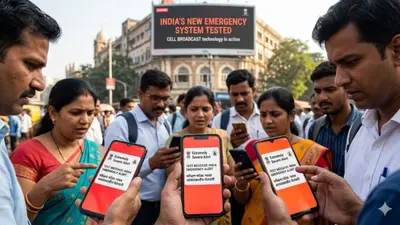
The government emergency alert system test triggered widespread reactions across major Indian cities after millions of smartphone users received sudden notifications marked “Emergency Alert” and “Extremely Severe.” The alerts, accompanied by loud warning sounds, appeared on devices across telecom networks as part of a nationwide preparedness exercise conducted by authorities.
In cities like Delhi, Mumbai and Bengaluru, many residents initially believed the alerts were connected to a natural disaster, national security threat or technical cyber issue. Within minutes, screenshots, reaction videos and memes flooded social media platforms, turning the emergency alert test into a viral nationwide conversation.
Officials later clarified that the notification was only a trial run of India’s Cell Broadcast Alert System, designed to improve public communication during disasters and emergencies.
What Is India’s New Emergency Alert System?
India’s emergency alert system uses Cell Broadcast technology, which allows government agencies to instantly send warning messages to smartphones connected to mobile towers in specific regions.
Unlike regular SMS messages, these alerts appear directly on phone screens with a loud alarm sound that can override silent mode settings on some devices. The system is intended for situations involving earthquakes, cyclones, floods, tsunamis or national emergency conditions.
The recent test was conducted under the supervision of the Department of Telecommunications and the National Disaster Management Authority. Authorities have been gradually expanding the testing process across different states over the past year.
The latest rollout reached a much larger audience, especially in densely populated metro cities. Because many users were unfamiliar with the system, the sudden alerts caused panic and confusion before official clarifications were issued.
Experts say such systems are globally common and already operational in countries including Japan, South Korea and the United States.
Delhi Residents Describe Panic and Confusion
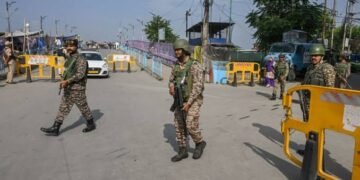
In Delhi, the emergency alert notification interrupted office meetings, metro commutes and classroom sessions. Many residents reported hearing the alarm unexpectedly while working or traveling.
Several social media users from the capital said the loud tone created temporary panic because they assumed it was linked to a security threat or extreme weather warning. Videos showing startled office workers and crowded public spaces quickly circulated online.
Some Delhi residents appreciated the government’s attempt to improve disaster preparedness, especially considering the city’s vulnerability to earthquakes and severe weather conditions. Others criticized the wording of the alert, arguing that terms like “Extremely Severe” created unnecessary anxiety during a testing phase.
Public discussion also focused on the lack of prior awareness. Many users said clearer communication before the test could have reduced confusion significantly.
Despite mixed reactions, the alert successfully demonstrated the system’s ability to instantly reach large urban populations.
Mumbai Users Turn Alert Into Meme Trend
Mumbai residents responded to the emergency notification with a mix of concern and humor. Within hours, social media feeds were filled with memes comparing the alert sound to dramatic movie scenes, exam result announcements and office deadline reminders.
Several users joked that the alert felt more stressful than Mumbai’s daily local train rush. Instagram creators uploaded parody reels showing exaggerated reactions to the warning tone, helping the topic trend rapidly online.
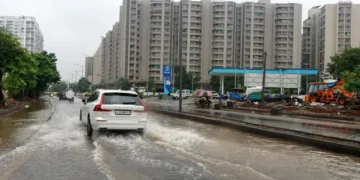
At the same time, some residents acknowledged the practical importance of emergency communication systems in a coastal city like Mumbai, which regularly experiences heavy rainfall, flooding and cyclone-related warnings.
Disaster management experts noted that metro cities with dense populations require rapid communication systems capable of reaching millions within seconds. The cell broadcast system is considered especially useful because it does not depend on individual phone numbers or internet connectivity.
Mumbai’s online reaction highlighted how quickly serious government initiatives can evolve into viral internet culture in India’s social media environment.
Bengaluru Users Discuss Technology and Preparedness
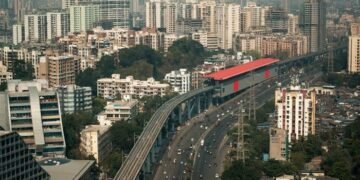
In Bengaluru, reactions focused heavily on the technical aspects of the emergency alert system. Many users discussed how the alerts bypassed silent mode settings and interrupted meetings, coding sessions and online calls.
Several technology professionals praised the infrastructure behind the system, noting that cell broadcast technology can become critical during disasters where internet services fail or mobile networks become overloaded.
However, Bengaluru residents also raised questions about privacy, device compatibility and whether repeated testing could lead users to ignore future alerts. Some users worried that excessive testing may reduce the seriousness associated with emergency notifications over time.
Others viewed the exercise positively, arguing that India’s growing urban population requires more advanced public warning systems due to increasing climate-related risks and urban emergencies.
The city’s startup and tech communities actively debated the system online, making Bengaluru one of the most engaged cities during the nationwide discussion.
Why Emergency Alert Systems Are Becoming More Important
Experts believe emergency communication systems will become increasingly necessary as climate change intensifies extreme weather events worldwide.
India faces recurring floods, cyclones, heatwaves and earthquakes across different regions. Rapid communication during such events can help authorities provide evacuation instructions, weather warnings and safety updates more effectively.
Traditional SMS systems often face delays during network congestion, whereas cell broadcast technology can send messages instantly to all compatible devices connected to nearby towers.
Authorities are expected to continue testing and refining the system over the coming months. Public awareness campaigns may also become necessary to ensure citizens understand the difference between real emergencies and system tests.
The viral public reaction demonstrated both the effectiveness of the technology and the importance of clear communication when introducing new emergency systems at a national scale.
Key Takeaways
- Delhi, Mumbai and Bengaluru residents reacted strongly to India’s emergency alert test
- The government used Cell Broadcast technology for nationwide smartphone notifications
- Social media platforms were flooded with memes, confusion and public reactions
- Officials confirmed the alert was only a disaster preparedness system test
FAQ
What was the emergency alert notification about?
It was part of a government test of India’s Cell Broadcast Emergency Alert System for disaster preparedness.
Why was the alert sound so loud?
Emergency alerts are designed to grab immediate attention and may override silent settings on some smartphones.
Which cities were most affected by the alert test?
Major metro cities including Delhi, Mumbai and Bengaluru reported widespread public reactions.
Is the emergency alert system permanent?
Yes. Authorities are developing it as a long-term disaster communication system for public safety.