






























A severe heatwave in Uttar Pradesh has pushed temperatures in cities like Kanpur and Prayagraj to extreme levels. Authorities have issued alerts as rising heat impacts daily life, health conditions, and public services across several Tier 2 regions.
UP heatwave alert triggers concern across Tier 2 cities
The UP heatwave alert has intensified concerns as cities such as Kanpur and Prayagraj record unusually high temperatures early in the season. Meteorological observations indicate that maximum temperatures in these regions have crossed typical seasonal averages, with several areas reporting conditions above 44 degrees Celsius.
Heatwave conditions are officially declared when temperatures remain significantly above normal for consecutive days. In this case, both cities have experienced sustained high temperatures, leading to warnings from local administrations and weather authorities.
Residents in Tier 2 cities are particularly vulnerable due to limited cooling infrastructure compared to larger metros. The rising heat has affected daily routines, with people avoiding outdoor activities during peak afternoon hours.
Record temperatures in Kanpur and Prayagraj explained
The surge in temperatures in Kanpur and Prayagraj is linked to a combination of weather patterns and geographic factors. Clear skies, dry winds, and delayed pre monsoon activity have contributed to heat accumulation across the region.
Urban heat island effect also plays a role in intensifying temperatures within city limits. Concrete structures, reduced green cover, and high vehicle density trap heat, making cities warmer than surrounding rural areas.
Reports indicate that night temperatures have also remained high, offering little relief to residents. This increases health risks, especially for vulnerable groups such as elderly individuals and outdoor workers.
Such temperature spikes are not entirely new, but their frequency and intensity have shown an upward trend in recent years.
Impact of heatwave on public health and daily life
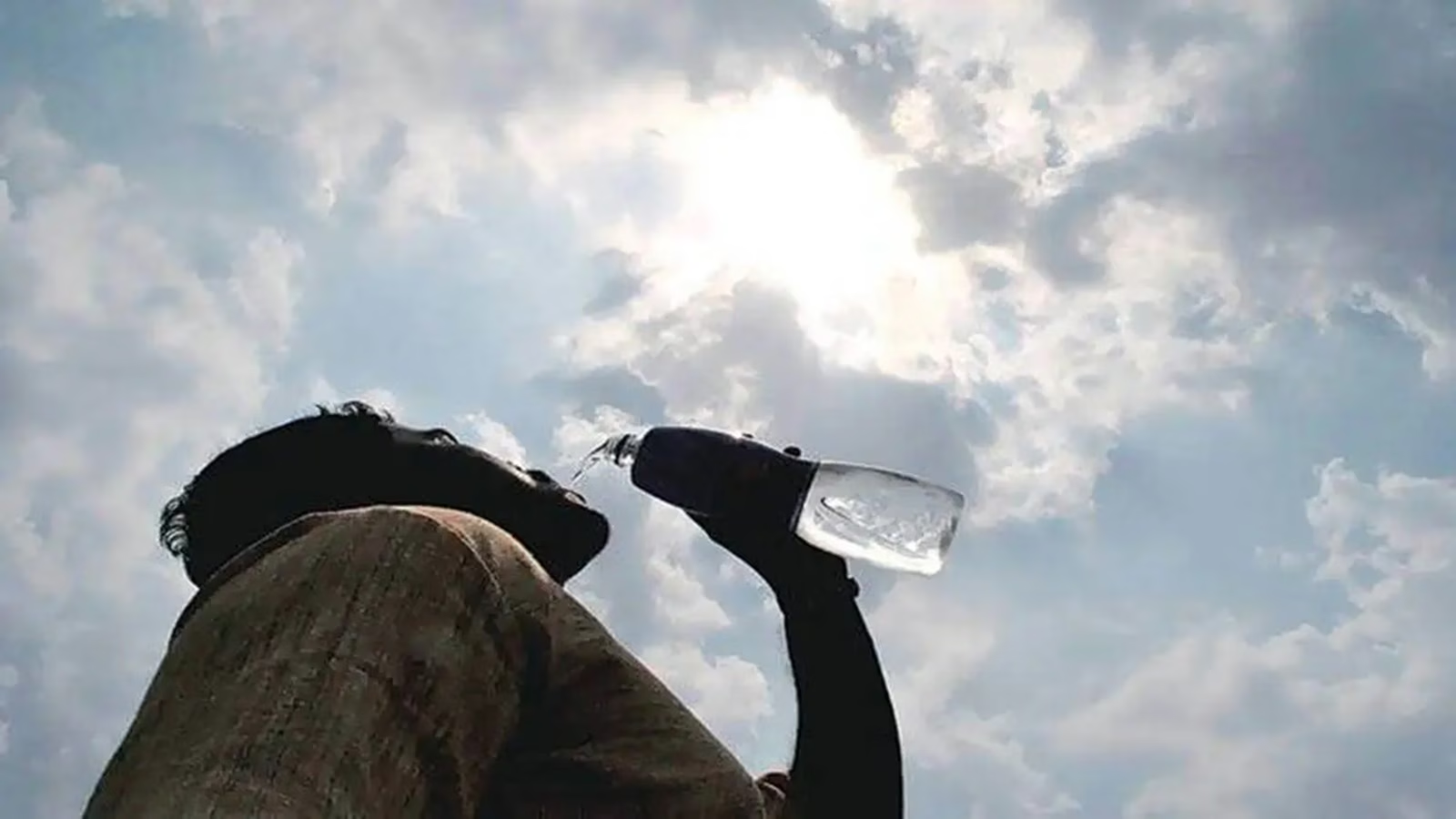
The UP heatwave has begun affecting public health systems, with hospitals reporting cases of heat exhaustion and dehydration. Medical professionals advise staying hydrated, avoiding direct sunlight, and recognizing early symptoms of heat related illnesses.
Outdoor workers, including construction laborers, delivery personnel, and street vendors, are among the most affected groups. Many continue to work despite extreme conditions, increasing their exposure to heat stress.
Schools in some areas have adjusted timings to reduce student exposure during peak heat hours. Public advisories have also been issued encouraging residents to limit outdoor movement.
The heatwave has impacted electricity demand as well, with increased usage of cooling appliances putting pressure on power supply systems.
Administrative response and safety measures in UP
Local administrations in Uttar Pradesh have issued guidelines to manage the heatwave situation. These include setting up water distribution points, ensuring availability of medical services, and spreading awareness about heat safety.
Authorities have also urged employers to adjust working hours for outdoor labor to reduce risk. Public announcements and digital alerts are being used to inform citizens about precautionary measures.
In some districts, steps have been taken to ensure that essential services continue without disruption. This includes monitoring power supply and maintaining water availability.
While these measures provide temporary relief, long term strategies are needed to address recurring heatwave challenges.
Climate patterns and rising heatwave frequency in India
The increasing frequency of heatwaves in northern India is linked to broader climate patterns. Rising global temperatures and changing weather systems are contributing to more intense and prolonged heat events.
Northern plains, including Uttar Pradesh, are particularly vulnerable due to their climatic conditions. Reduced pre monsoon rainfall and prolonged dry spells often lead to heat buildup.
Experts emphasize the need for climate resilient urban planning. Increasing green cover, improving water management, and designing heat resistant infrastructure can help mitigate the impact.
The current UP heatwave serves as another reminder of the growing challenges posed by extreme weather events in India.
Takeaways
- UP heatwave alert has pushed temperatures in Kanpur and Prayagraj to extreme levels
- Sustained high temperatures are impacting health, work, and daily routines
- Authorities have issued safety guidelines and precautionary measures
- Rising heatwaves highlight the need for climate resilient urban planning
FAQs
Q1. What temperature qualifies as a heatwave in Uttar Pradesh?
A heatwave is declared when temperatures are significantly above normal for consecutive days, typically crossing 40 to 45 degrees Celsius depending on the region.
Q2. Why are Kanpur and Prayagraj experiencing record heat?
Factors include dry weather conditions, delayed pre monsoon activity, and urban heat accumulation.
Q3. How can people stay safe during a heatwave?
Stay hydrated, avoid outdoor activity during peak hours, wear light clothing, and watch for signs of heat related illness.
Q4. Are heatwaves becoming more common in India?
Yes, increasing temperatures and changing climate patterns have led to more frequent and intense heatwaves.