


























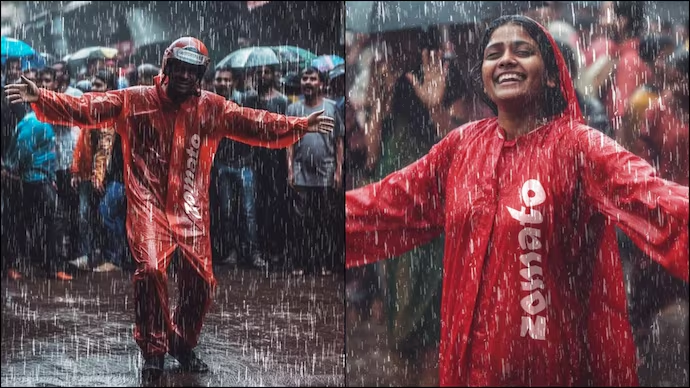
A Zomato delivery agent dancing in the rain has captured widespread attention across India. The viral video has sparked emotional reactions online, highlighting the human side of gig workers and raising conversations about everyday resilience and joy.
Viral Zomato delivery agent rain dance video trends online
The Zomato delivery agent rain dance video has quickly become one of the most shared clips on Indian social media this week. The footage shows a delivery partner pausing during rainfall and dancing freely on the street, seemingly unbothered by the pressures of work.
The simplicity of the moment is what resonated with viewers. In a routine often associated with tight deadlines and long hours, the video offered a rare glimpse of spontaneity. Within hours, the clip spread across Instagram, X, and WhatsApp groups, gaining millions of views.
Users widely described the moment as uplifting. Many comments focused on how the video reflected finding happiness in small moments, even during demanding work schedules. The viral nature of the content also reflects how relatable and emotionally grounded stories travel faster online.
Gig economy workers and real life behind deliveries
The viral video has also drawn attention to the realities faced by delivery workers in India. Platforms like Zomato operate on a gig model, where delivery partners work flexible hours but often deal with unpredictable conditions such as weather, traffic, and tight timelines.
Rainy conditions in particular can make deliveries more challenging. Wet roads, traffic congestion, and increased demand during bad weather create additional pressure on workers. Despite this, many delivery partners continue to meet service expectations.
The rain dance moment stands out because it breaks away from the usual narrative. Instead of showing stress or fatigue, it captures a brief pause filled with joy. This contrast has made the video even more impactful.
Experts often note that gig workers form a critical part of urban infrastructure, especially in Tier 1 and Tier 2 cities. Their experiences, however, are not always visible until moments like these go viral.
Social media reactions and emotional connect
The response to the Zomato delivery agent viral video has been overwhelmingly positive. Social media users across age groups have shared the clip, adding captions about resilience, positivity, and the importance of living in the moment.
Several users pointed out that the video humanizes delivery workers, who are often seen only as part of an app based service. By showcasing a spontaneous and joyful moment, the clip helped create a deeper emotional connection.
Brands and influencers also engaged with the trend, amplifying its reach. Some highlighted the need to appreciate service workers, while others focused on the inspirational aspect of the video.
At the same time, conversations around worker welfare also surfaced. While the video is uplifting, it has led to discussions about working conditions, income stability, and the broader gig economy structure.
Weather, monsoon context and viral content patterns
Rain related videos often perform well on social media due to their visual appeal and emotional tone. In India, where monsoon plays a significant role in daily life, such content becomes even more relatable.
The timing of this video aligns with early seasonal showers in several regions, making it more relevant to viewers. People across cities have experienced similar weather conditions, adding to the shareability of the clip.
Viral trends frequently emerge from everyday situations rather than staged content. This video fits that pattern, where authenticity drives engagement. Unlike curated influencer content, raw moments often carry stronger emotional weight.
The Zomato delivery agent rain dance clip follows a broader trend of human interest stories gaining traction online. These stories cut across demographics and tend to sustain attention longer than typical viral content.
What this viral moment says about digital India
The widespread reach of the video highlights the power of social media in shaping narratives. A single moment captured on camera can quickly turn into a national conversation.
It also reflects a shift in audience preference. Users are increasingly drawn to content that feels real and relatable rather than highly produced visuals. This change is influencing how content is created and consumed across platforms.
For brands and platforms, such moments present both opportunities and responsibilities. While virality can boost visibility, it also brings attention to underlying issues such as worker conditions and public perception.
The Zomato delivery agent rain dance video stands as an example of how digital India continues to evolve, where stories of ordinary individuals can resonate at a national level.
Takeaways
- Zomato delivery agent rain dance video has gone viral across India
- The clip highlights the human side of gig economy workers
- Social media users connected emotionally with the spontaneous moment
- The video has sparked conversations about worker conditions and resilience
FAQs
Q1. Why did the Zomato delivery agent video go viral?
The video captured a spontaneous and joyful moment during work, making it relatable and emotionally engaging for viewers.
Q2. Are delivery agents allowed to pause work like this?
Delivery partners operate with some flexibility, but they are generally expected to complete orders within time limits set by the platform.
Q3. What does this video reveal about gig workers in India?
It highlights both the challenges they face and their ability to find moments of joy despite demanding work conditions.
Q4. Do such viral videos impact public perception?
Yes, they often humanize workers and can influence conversations around appreciation and working conditions.