








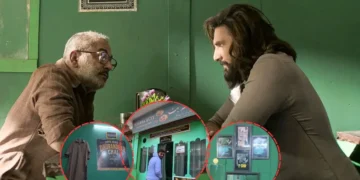






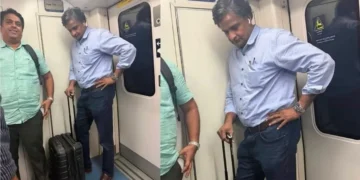
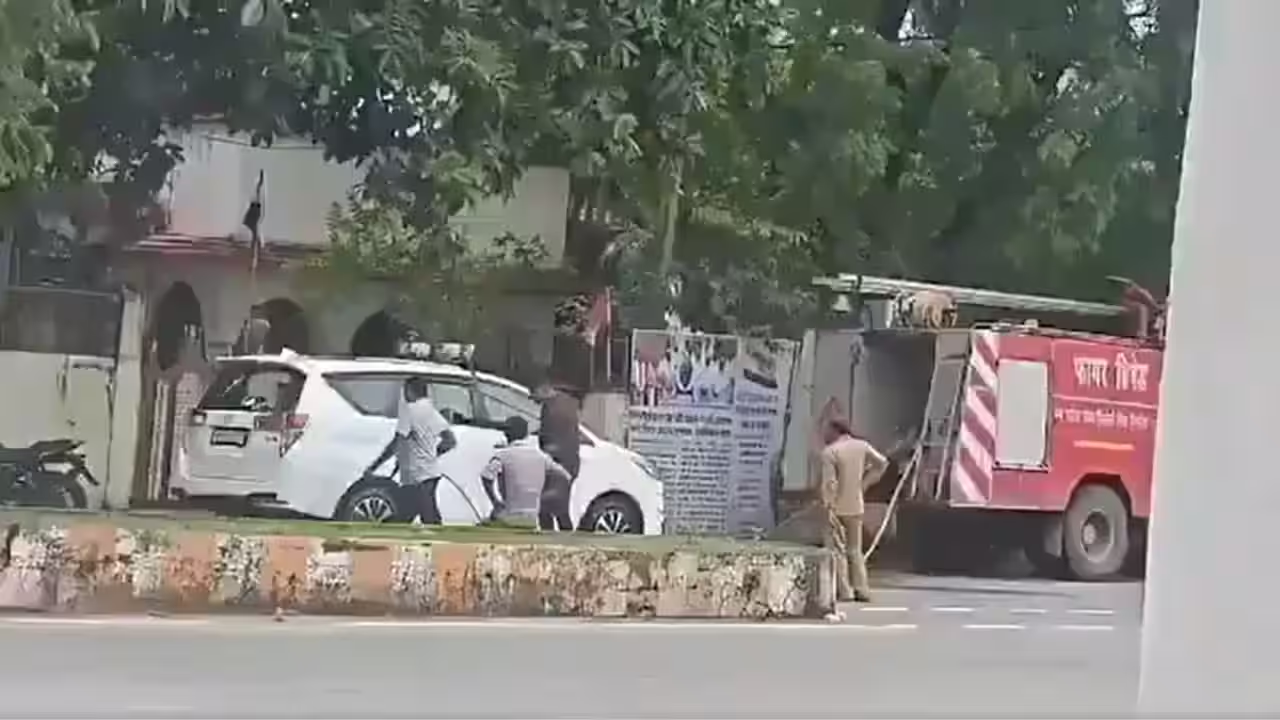




Everyday Indian moments are increasingly becoming viral meme content as social media turns ordinary experiences into instantly shareable entertainment. From family conversations and wedding scenes to awkward public incidents, relatable moments now travel across Instagram, YouTube and other platforms within hours.
Relatability Is Driving India’s Meme Culture
The biggest reason ordinary moments become viral is simple: people recognise themselves in them.
A conversation between parents and children, a crowded railway station, a neighbourhood argument, a wedding guest dancing unexpectedly or someone reacting dramatically to a small problem can become meme material because millions of people have experienced something similar.
Memes work particularly well when they capture an emotion that is difficult to explain. Embarrassment, frustration, excitement, confusion and family pressure are all common experiences. Once a short video or photograph captures that feeling clearly, users can add their own captions and interpretations.
This has changed the nature of viral content. A post does not necessarily need a celebrity, expensive production or a major event to attract attention. Sometimes, its biggest strength is that it feels like something that could have happened to anyone.
Instagram and Short Videos Have Changed Virality
The growth of short-form video has made the process considerably faster. DataReportal’s Digital 2026 India report says India had about 1.03 billion internet users and 500 million social media user identities at the end of 2025. Instagram’s advertising tools indicated a potential reach of about 481 million users in the country.
That enormous digital audience gives ordinary moments a much larger potential distribution network.
A video recorded on a smartphone can move from a private account to meme pages, Reels, WhatsApp groups and news feeds without the original creator planning for it to become popular.
The format also matters. Short videos are easy to watch, remix and share. A viewer does not need much context to understand a funny expression, unexpected reaction or familiar family situation.
This creates a cycle. Someone records an unusual moment, another user adds a caption, meme pages repost it, and thousands of people create their own versions.
Indian Family Life Is a Major Source of Relatable Content
Indian family dynamics provide an almost endless supply of situations that can be turned into memes.
Parents asking about marriage, relatives comparing careers, children hiding their screen time, last-minute wedding preparations and the familiar pressure to explain personal decisions are all common themes online.
The humour often comes from recognition rather than the event itself.
A meme about a mother calling her child repeatedly may receive attention because viewers immediately understand the situation. A joke about relatives asking intrusive questions at a wedding can work for the same reason.
This is particularly relevant in India because social media content often crosses age groups. Younger users may create the meme, while older family members may become part of the original video or eventually encounter the content themselves.
The result is a distinctly Indian form of internet humour where traditional family experiences meet modern digital culture.
Local Incidents Can Suddenly Become National Conversations
Another important change is the shrinking distance between local and national internet culture.
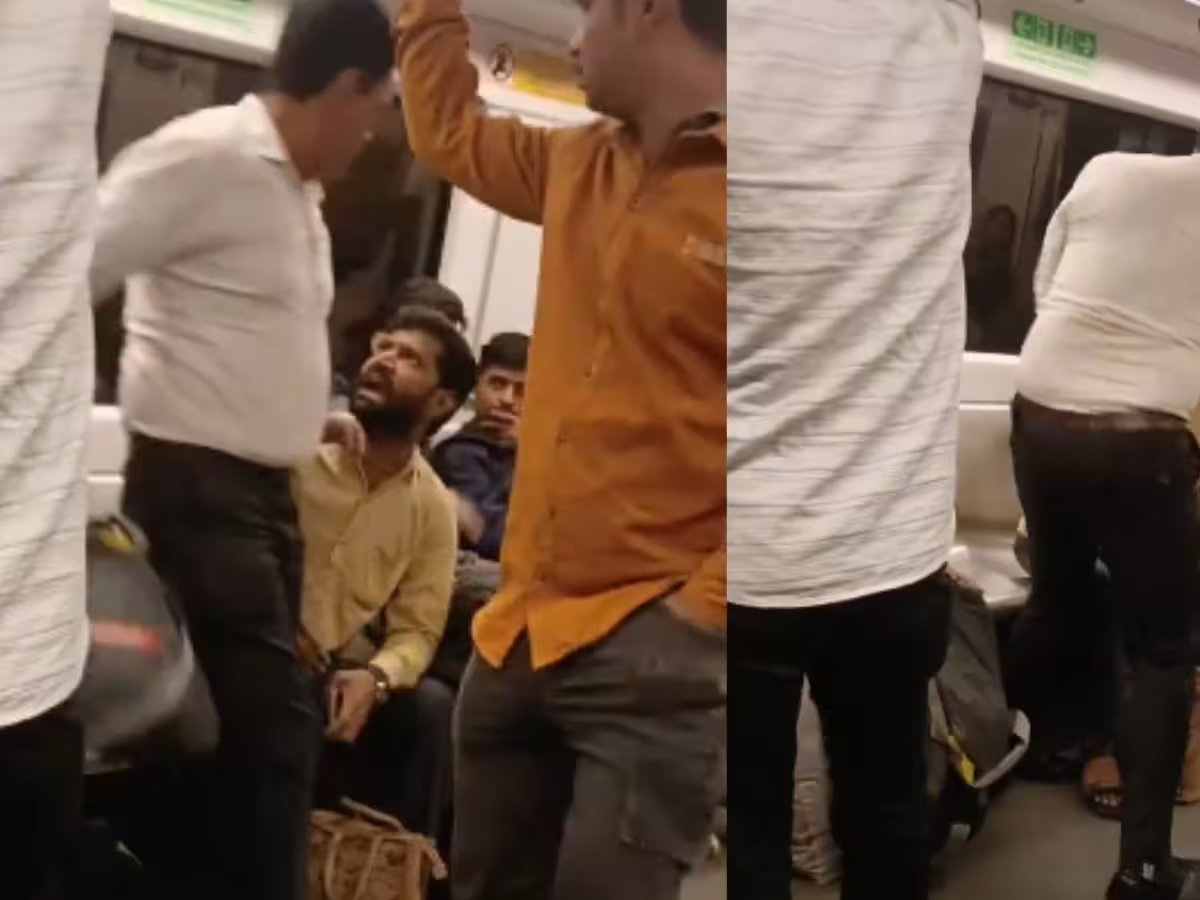
An incident that begins in Delhi, Mumbai, Bengaluru, Jaipur, Pune or a Tier-2 city can attract attention far beyond its original location if the moment is visually interesting or widely relatable.
Recent viral coverage illustrates this pattern. A social-media discussion around observations about waste disposal in Indian neighbourhoods, for example, became a wider conversation about public cleanliness and civic behaviour.
Similarly, a viral video about a Delhi man’s decision to sell ancestral gold to purchase an expensive smartphone for his wife generated online reactions about consumer choices, family values and luxury spending.
These examples show that viral content does not remain limited to humour. An ordinary personal decision can become a broader conversation when audiences attach a social issue or cultural interpretation to it.
Meme Pages Turn One Moment Into Many Stories
The original video is often only the beginning.
Once a moment starts receiving attention, meme creators can produce multiple versions using the same footage. One creator may add a family-related caption, another may connect it to college life, while someone else may use it to describe office culture.
This is why a single piece of content can remain visible for days even after the original incident has disappeared from public attention.
Meme pages also understand the importance of speed. A trend that is relevant in the morning can become outdated by evening. Creators therefore compete to react quickly, particularly when a video contains a distinctive expression, phrase or situation that can easily be adapted.
The audience becomes part of the production process. People do not simply consume viral content. They modify it, remix it and distribute their own versions.
Regional Languages Are Expanding Meme Culture
India’s linguistic diversity is also influencing the way memes spread.
Hindi remains a major language for viral content, but regional-language humour has become increasingly visible. Marathi, Tamil, Telugu, Bengali, Malayalam, Kannada and other language communities create memes based on their own cultural references and everyday experiences.
A joke does not have to be universally understood to become popular. It may first become viral within a particular city or language community before being adapted by users elsewhere.
This creates multiple layers of meme culture. A local reference can remain meaningful to people from one region while a translated or adapted version reaches a much larger audience.
For Tier-2 and Tier-3 cities, this is particularly significant because smartphone-based content allows local experiences to enter national conversations without traditional media acting as the first gateway.
Virality Also Comes With Risks
The popularity of everyday content has a less comfortable side.
People appearing in a video may not have expected the footage to reach millions. A funny incident can become embarrassing when it is repeatedly reposted, edited or discussed without context.
There is also a difference between something being viral and something being verified.
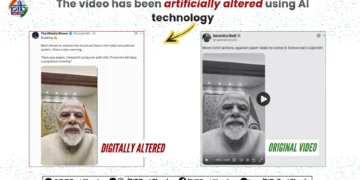
A widely shared video can be genuine, old, edited, incorrectly captioned or taken out of context. Once a post becomes popular, users may assume that the surrounding claims are automatically true.
That makes basic verification increasingly important. Before sharing a viral incident as news, readers should look for the original upload, date, location and reliable reporting. Viral reach measures attention, not accuracy.
Why Ordinary Moments Will Keep Going Viral
The popularity of everyday meme content is unlikely to disappear while smartphones, inexpensive internet access and short-form video remain central to Indian digital culture.
India’s internet base has already crossed the billion-user mark in widely cited 2026 digital estimates, and social media reaches hundreds of millions of users.
More importantly, people continue to respond strongly to content that reflects their own lives.
The next major meme may not come from a film set or a celebrity event. It could come from a railway platform, a college campus, a family gathering, a local shop or a casual conversation recorded on a phone.
That is what makes India’s meme culture distinctive. The raw material is often not extraordinary. It is ordinary life, presented at exactly the right moment.
Key Takeaways
- Relatability is one of the strongest drivers behind everyday Indian meme content.
- Short-form video platforms allow local incidents to reach audiences across the country quickly.
- Family life, regional culture and common social experiences provide constant material for memes.
- Viral popularity does not automatically mean a claim or video has been verified.
FAQs
Why do ordinary Indian moments become viral memes?
Ordinary moments often become viral because viewers recognise familiar emotions, situations and behaviours. Relatable content gives people an immediate reason to watch, comment and share.
Which platforms help Indian memes spread quickly?
Instagram, YouTube and other social platforms play a major role in distributing short videos and memes. WhatsApp also helps content move rapidly between private groups and communities.
Why are Tier-2 and Tier-3 cities increasingly visible in meme culture?
Smartphone access, affordable internet and regional-language content have reduced the distance between local and national audiences. A funny or unusual incident from a smaller city can now reach viewers across India.
Should viral videos be treated as news?
Not automatically. A viral video should be checked for its original source, date, location and context before being presented as factual news. Popularity indicates that people are watching or sharing something, not that every claim surrounding it is accurate.