























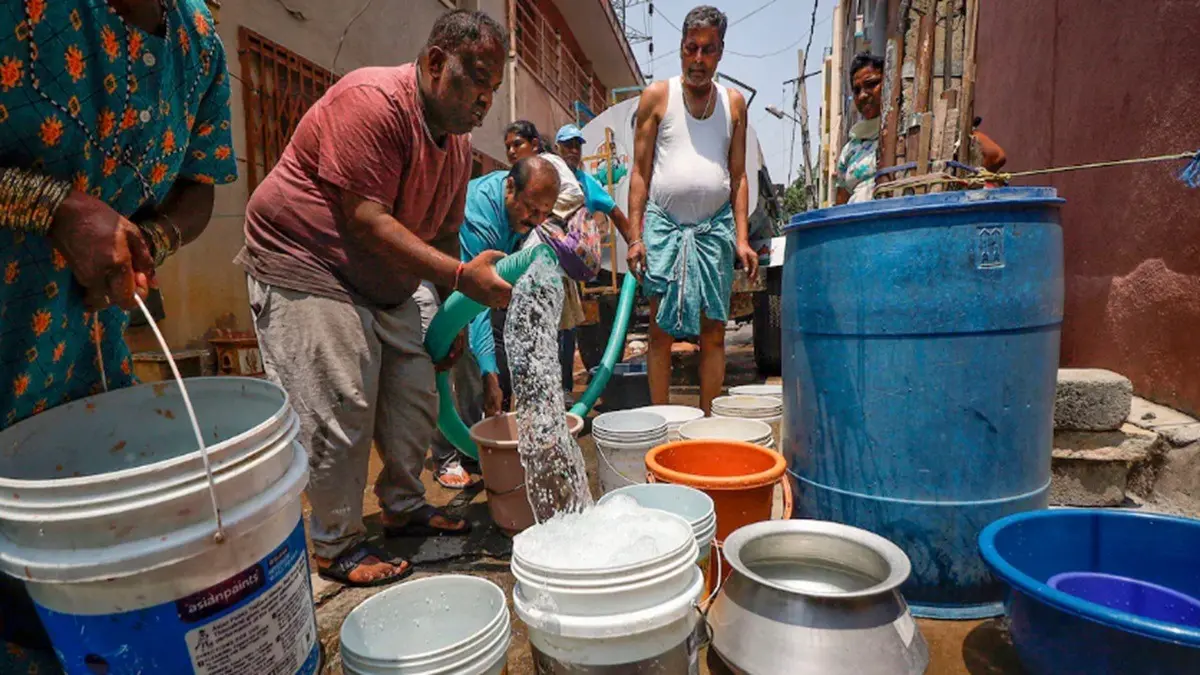
Water shortage concerns are rising across Tier-2 cities in India, prompting local administrations to activate emergency plans. Increasing summer temperatures and uneven water supply have begun to impact daily life, forcing authorities to implement urgent measures to manage demand and prevent crisis situations.
Water shortage concerns in Tier-2 cities have intensified as summer conditions peak, with cities like Nagpur, Indore, and Jaipur reporting supply stress in several localities. Local administrations are responding with emergency plans that include water rationing, tanker deployment, and stricter monitoring of usage.
Rising Demand and Limited Supply in Tier-2 Cities
The growing water shortage concerns in Tier-2 cities are linked to a combination of rising demand and limited supply. Rapid urbanization has increased population density, placing additional pressure on existing water infrastructure that was not designed for such expansion.
In many cities, groundwater remains a primary source of supply. However, over-extraction has led to declining water tables, making it harder to meet daily requirements during peak summer months. Surface water sources such as reservoirs and lakes are also under stress due to reduced rainfall in previous seasons.
The situation becomes more challenging when infrastructure limitations come into play. Aging pipelines, leakages, and uneven distribution systems contribute to water loss and inefficient supply, worsening the overall shortage.
Emergency Measures Rolled Out by Local Administrations
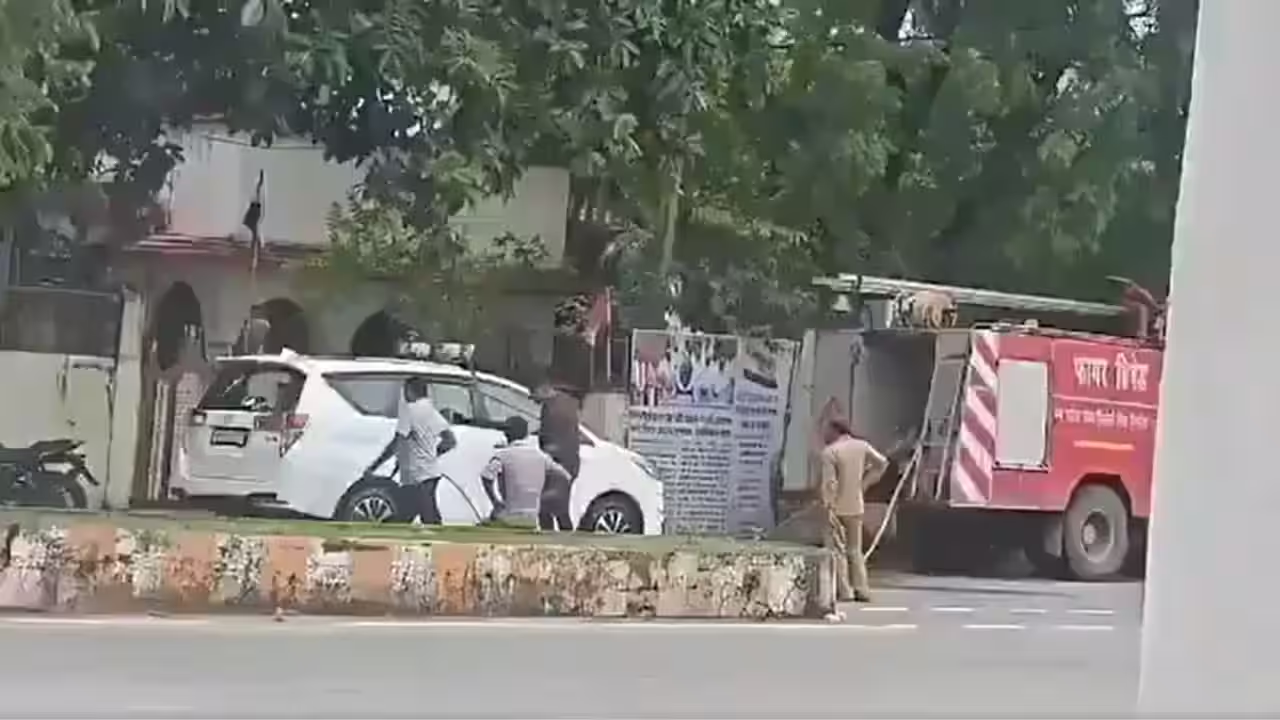
In response to water shortage concerns, local administrations in Tier-2 cities are implementing emergency plans to manage the situation. One of the most common measures is the deployment of water tankers to supply affected areas where regular pipelines are unable to meet demand.
Authorities are also introducing scheduled water supply in some regions, ensuring that available resources are distributed more evenly. This often involves restricting supply to specific hours, encouraging residents to store water responsibly.
Monitoring mechanisms have been strengthened to prevent misuse and wastage. In certain cases, penalties are imposed for excessive consumption or unauthorized usage. Public awareness campaigns are also being conducted to promote water conservation practices.
Impact on Residents and Daily Life
The impact of water shortage concerns in Tier-2 cities is being felt across households, businesses, and public institutions. Residents are adjusting their daily routines to align with limited supply hours, often waking up early or staying up late to store water.
Small businesses such as restaurants, laundries, and service providers are facing operational challenges due to inconsistent water availability. Schools and offices are also affected, particularly in areas where supply disruptions are frequent.
For many families, especially in densely populated neighborhoods, access to water becomes a daily challenge. This highlights the importance of efficient distribution systems and timely intervention by authorities.
Role of Climate Patterns and Urban Growth
Water shortage concerns are further influenced by changing climate patterns and rapid urban growth. Irregular rainfall, delayed monsoon, and extended dry periods contribute to reduced water availability.
At the same time, expanding urban boundaries often outpace infrastructure development. New residential areas may not have adequate water supply systems in place, leading to dependence on alternative sources such as tankers or borewells.
Environmental factors such as reduced green cover and shrinking water bodies also play a role. These changes affect natural water recharge processes, making it harder to sustain supply during high-demand periods.
Long-Term Solutions and Policy Focus
While emergency plans address immediate water shortage concerns, long-term solutions are essential for sustainable management. Authorities are increasingly focusing on measures such as rainwater harvesting, wastewater recycling, and improved storage systems.
Infrastructure upgrades, including modern pipelines and smart monitoring systems, can help reduce losses and improve efficiency. Urban planning that integrates water management into development projects is also gaining attention.
Public participation remains a key factor. Encouraging responsible usage and conservation at the household level can significantly reduce pressure on existing resources.
As Tier-2 cities continue to grow, balancing demand with sustainable supply will be critical to avoiding recurring water crises.
Takeaways
• Water shortage concerns are rising in Tier-2 cities due to high demand and limited supply
• Local administrations are implementing emergency measures like tanker supply and rationing
• Residents and businesses are facing disruptions in daily routines and operations
• Long-term solutions include infrastructure upgrades and water conservation practices
FAQs
Why are Tier-2 cities facing water shortages
Rapid urbanization, declining groundwater levels, and infrastructure limitations are key factors contributing to water shortages.
What emergency measures are being taken by authorities
Authorities are deploying water tankers, scheduling supply, and promoting conservation to manage the situation.
How does water shortage affect daily life
It disrupts household routines, impacts businesses, and creates challenges in accessing basic water needs.
What can residents do to cope with water shortages
Residents can store water responsibly, reduce wastage, and adopt conservation practices like rainwater harvesting.