




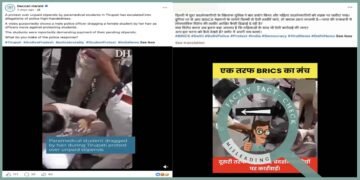
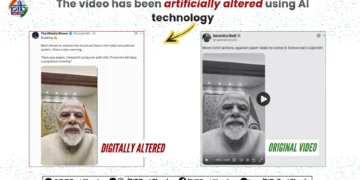














Viral WhatsApp claims about government EV subsidies are spreading confusion among buyers across India. Many messages exaggerate benefits or misrepresent eligibility rules, making it important to separate verified policy details from misleading forwards.
Why EV Subsidy Misinformation Is Spreading Fast
Viral WhatsApp claims about government EV subsidies are a time sensitive issue as EV adoption grows and policy incentives evolve. Messaging platforms like WhatsApp have become a major source of information for many users, especially in Tier-2 and Tier-3 cities.
These forwards often promise large cash subsidies, free charging, or zero-cost vehicle ownership. In reality, most of these claims simplify or distort official policy frameworks.
The rapid spread of such messages is driven by increasing interest in EVs. As more consumers consider switching to electric vehicles, any information about savings or incentives gains traction quickly.
However, the lack of verification in forwarded messages leads to confusion and unrealistic expectations among buyers.
What the Government EV Subsidy Actually Covers
Government EV subsidies in India are primarily provided under structured programs such as the FAME India Scheme. These incentives are designed to promote adoption while ensuring fiscal sustainability.
Subsidies are usually linked to battery capacity, vehicle type, and price limits. For example, electric two wheelers and select electric cars may qualify for incentives, but the amount varies based on specifications.
State governments may offer additional benefits such as road tax exemptions, registration fee waivers, or local incentives. These benefits differ from state to state and are not uniform across the country.
Importantly, subsidies are not direct cash handouts in most cases. They are typically applied as upfront discounts at the time of purchase through authorised dealers.
Common Viral Claims That Are Misleading
Several viral WhatsApp messages make claims that are not accurate or are taken out of context. One common claim is that buyers can get an EV almost free after subsidies. In reality, incentives reduce costs but do not eliminate them.
Another frequent claim is that all EVs qualify for maximum subsidy benefits. This is incorrect, as eligibility depends on factors such as vehicle price, battery capacity, and certification.
Some messages also suggest unlimited subsidies or extended deadlines without official confirmation. In practice, subsidy programs have defined budgets and timelines, which may change based on policy updates.
These misleading claims can lead to confusion, especially for first-time buyers who rely on informal sources for information.
How Buyers Can Verify EV Subsidy Information
Consumers should rely on official sources and authorised dealers to verify EV subsidy details. Government websites, manufacturer announcements, and certified dealerships provide accurate and updated information.
Dealers often calculate final prices after applying eligible subsidies, giving buyers a clear understanding of actual costs. This helps avoid reliance on unverified claims.
It is also important to check state-specific policies, as incentives vary across regions. For example, benefits available in Delhi may differ from those in Maharashtra.
Cross-checking multiple sources ensures that buyers make informed decisions based on facts rather than assumptions.
Impact of Misinformation on EV Adoption
Misinformation about EV subsidies can have both positive and negative effects. On one hand, it increases awareness and interest in electric vehicles.
On the other hand, unrealistic expectations can lead to disappointment when actual costs differ from viral claims. This can affect trust in both manufacturers and government policies.
In some cases, buyers may delay decisions while waiting for benefits that do not exist. This slows down adoption and creates uncertainty in the market.
Accurate information is essential for building long-term confidence in the EV ecosystem.
Role of Social Media and Digital Literacy
Social media platforms play a major role in spreading both information and misinformation. While they enable quick dissemination of updates, they also allow unverified content to reach large audiences.
Improving digital literacy is key to addressing this issue. Users need to question sources, verify claims, and avoid forwarding unconfirmed messages.
Educational campaigns by government agencies and manufacturers can help clarify subsidy structures and eligibility criteria. Clear communication reduces confusion and supports informed decision-making.
As EV adoption increases, the need for accurate and accessible information becomes even more important.
What This Means for Future EV Buyers
For prospective EV buyers, understanding subsidy structures is essential. While incentives can significantly reduce costs, they should be viewed as part of a broader value proposition that includes lower running expenses and environmental benefits.
Relying on verified information helps buyers plan purchases realistically and avoid financial surprises. It also ensures that decisions are based on actual benefits rather than exaggerated claims.
As policies evolve, staying updated through credible sources will remain important. The EV market is expected to grow, but informed participation will determine how smoothly this transition occurs.
Key Takeaways
- Viral WhatsApp claims about EV subsidies often exaggerate benefits
- Subsidies under official schemes are structured and conditional
- Buyers should verify information through authorised sources
- Misinformation can create confusion and affect adoption
Frequently Asked Questions
Are EV subsidies given as direct cash to buyers?
No, most subsidies are applied as upfront discounts through dealers.
Do all EVs qualify for maximum subsidies?
No, eligibility depends on vehicle specifications and policy criteria.
Can EVs be purchased almost free after subsidies?
No, subsidies reduce costs but do not eliminate the purchase price.
How can buyers verify subsidy details?
Through government websites, authorised dealers, and official announcements.