



























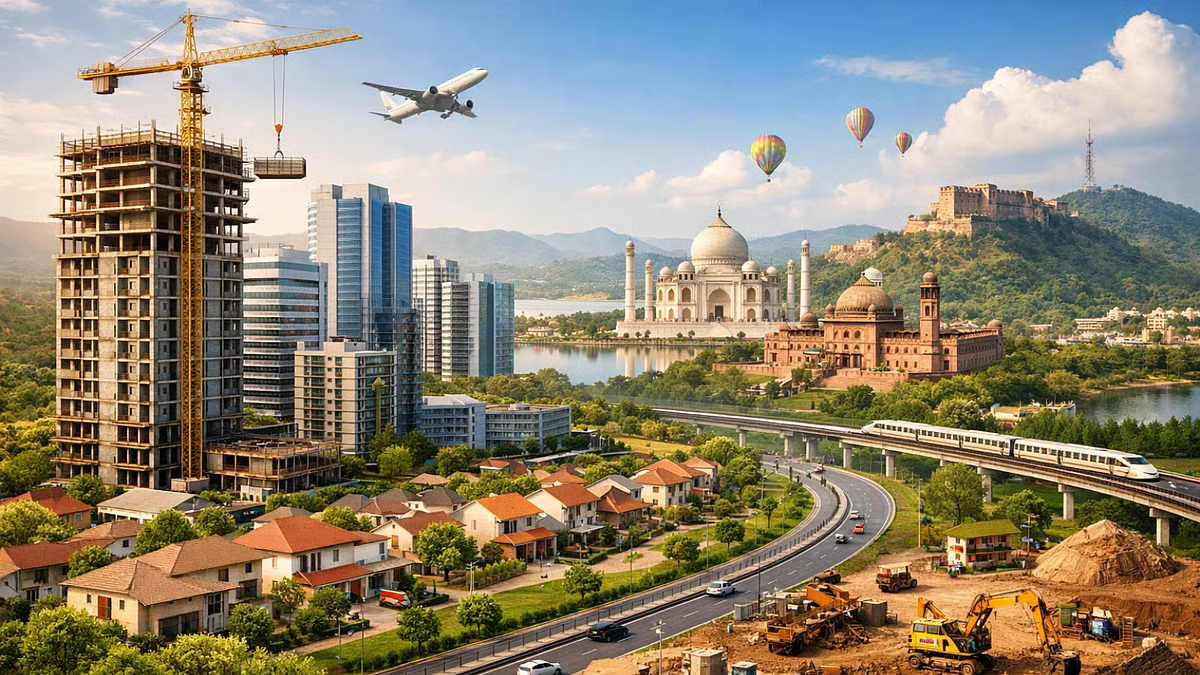
Tier-2 cities are seeing faster infrastructure growth than metros in India, driven by lower costs, policy focus, and rising population shifts. This trend reflects changing economic priorities and is reshaping urban development patterns across emerging regions.
Why Tier-2 Cities Infrastructure Growth Is Accelerating
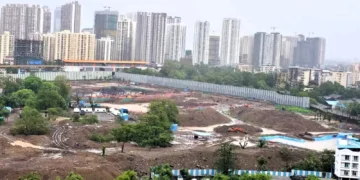
Tier-2 cities infrastructure growth in India has gained momentum over the past few years, making this an evergreen yet current trend shaped by policy, migration, and investment flows. Cities such as Indore, Nagpur, Lucknow, and Coimbatore are witnessing rapid upgrades in roads, housing, and public services.
One key reason is cost efficiency. Land acquisition and construction costs are significantly lower compared to metro cities like Mumbai or Delhi. This allows governments and private developers to execute projects faster and at a larger scale.
Additionally, congestion in metros has reached a point where expansion becomes complex and time consuming. In contrast, Tier-2 cities offer more space and flexibility for planned development, making them attractive for new infrastructure investments.
Government Policies Driving Growth in Emerging Cities
Policy support has played a major role in accelerating infrastructure development in Tier-2 cities. Initiatives such as Smart Cities Mission and regional industrial corridors have directed funding toward non-metro areas.
State governments are also focusing on balanced regional development to reduce pressure on major urban centres. Investments in highways, metro rail projects, and digital infrastructure are increasingly being allocated to smaller cities.
These policies aim to create self-sustaining urban ecosystems where residents can access jobs, education, and healthcare without migrating to metros. As a result, infrastructure development is becoming more decentralised.
The focus on Tier-2 cities also aligns with national economic goals, where inclusive growth is seen as essential for long term stability.
Migration Trends and Rising Urban Demand
Another important factor behind Tier-2 cities growth is migration patterns. While metros continue to attract talent, there is a noticeable reverse migration and redistribution of population toward smaller cities.
This shift accelerated after the pandemic, when remote work and flexible employment models became more common. Professionals began choosing cities with lower living costs and better quality of life.
As population increases in these regions, demand for infrastructure rises. This includes housing, transportation, water supply, and internet connectivity. Governments and developers respond by expanding facilities, creating a cycle of growth.
For example, cities like Nagpur have seen improvements in road networks, logistics hubs, and real estate development, reflecting this broader trend.
Private Investment and Real Estate Expansion
Private sector participation is a major driver of infrastructure growth in Tier-2 cities. Real estate developers are increasingly targeting these markets due to rising demand and lower entry costs.
Residential projects, commercial spaces, and retail developments are expanding rapidly. Investors see potential in these cities as they offer higher returns compared to saturated metro markets.
Industrial investments are also shifting. Manufacturing units and logistics centres are being set up in Tier-2 regions where land is more affordable and regulatory processes can be smoother.
This combination of public and private investment accelerates infrastructure development and creates employment opportunities, further boosting local economies.
Improved Connectivity and Transport Networks
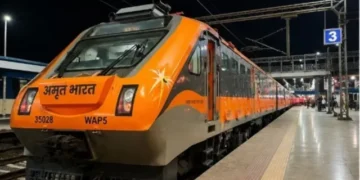
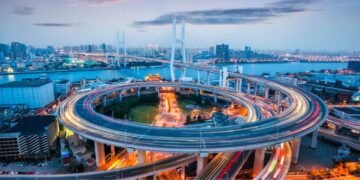
Connectivity improvements have played a crucial role in making Tier-2 cities more viable for growth. Expansion of highways, rail networks, and regional airports has reduced travel time and improved accessibility.
Projects under national highway development programs have linked smaller cities to major economic corridors. This enhances trade, logistics, and mobility for both people and goods.
Public transport systems are also evolving. Some Tier-2 cities are introducing metro rail or bus rapid transit systems, which were previously limited to large metros.
Better connectivity not only supports infrastructure growth but also attracts businesses and residents who seek efficient transport options without the congestion of larger cities.
Challenges That Still Remain in Tier-2 Expansion
Despite rapid progress, Tier-2 cities face several challenges. Infrastructure development must keep pace with population growth to avoid issues like congestion and resource shortages.
Urban planning is critical. Without proper planning, rapid expansion can lead to unregulated construction and strain on public services. Water management, waste disposal, and traffic control require careful attention.
Skill development is another area of concern. As industries expand, there is a need for a trained workforce that can support new sectors.
While these challenges exist, they are often easier to manage in Tier-2 cities compared to metros, where legacy issues make reforms more complex.
What This Trend Means for India’s Urban Future
The faster infrastructure growth in Tier-2 cities signals a shift in India’s urban development strategy. Instead of concentrating resources in a few large metros, growth is becoming more distributed.
This approach can reduce pressure on overcrowded cities while creating new economic hubs across the country. It also improves quality of life by offering better living conditions at lower costs.
For businesses, Tier-2 cities present new opportunities for expansion. For residents, they offer a balance between modern infrastructure and affordability.
As this trend continues, Tier-2 cities are likely to play a central role in shaping India’s economic and urban landscape.
Key Takeaways
- Tier-2 cities are growing faster due to lower costs and policy support
- Government initiatives are driving decentralised infrastructure development
- Migration trends are increasing demand in smaller cities
- Private investment and connectivity improvements are accelerating growth
Frequently Asked Questions
Why are Tier-2 cities growing faster than metros?
Lower costs, better planning opportunities, and targeted government policies are driving faster growth.
Which sectors are contributing to this growth?
Real estate, manufacturing, transport, and digital infrastructure are key contributors.
Are Tier-2 cities better than metros for living?
They offer lower costs and less congestion, but may still lack some advanced facilities.
Will this trend continue in the future?
Yes, as policies and investments continue to focus on balanced regional development.